Schizoaffective disorder bipolar type, is a complex mental health condition. It actually features the combination of two serious psychiatric disorders… schizophrenia and bipolar disorder.
Making it more complex, someone with this diagnosis experiences symptoms of both. Of psychosis, such as hallucinations or delusions. Alongside mood episodes. These include mania, hypomania, or depression.
Because it overlaps with both bipolar disorder and schizophrenia, it is often misunderstood. Misdiagnosed or diagnosed later in life.
Like any other mental condition, understanding schizophrenia and bipolar disorder clearly is the first step toward effective, long-term management and recovery.
What Is Schizoaffective Disorder Bipolar Type?
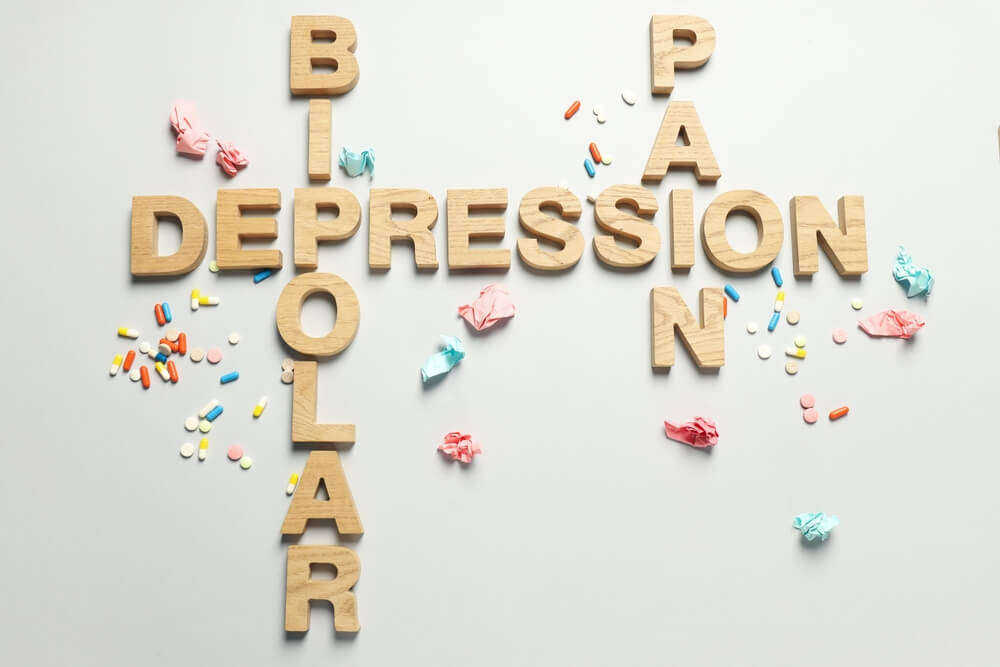
Schizoaffective disorder is a mental health condition. It is a rare condition affecting only 0.3% of people.
There are two main types of schizoaffective disorder. One is Schizoaffective disorder depressive type, while the other is Schizoaffective disorder bipolar type...
Schizoaffective disorder bipolar type, is usually characterized by:
→ Ongoing psychotic symptoms (hallucinations or delusions)
→ Distinct manic or mixed mood episodes, with or without depressive episodes
It differs from bipolar disorder with psychotic features. Psychosis in schizoaffective disorder occurs independently of mood episodes for at least two weeks. This distinction is critical in diagnosis.
The condition is sometimes described using overlapping terms such as bipolar schizophrenia, bipolar with schizoaffective disorder, or schizophrenia and bipolar, though clinically these are not interchangeable diagnoses. The correct medical classification is bipolar schizoaffective disorder.
What Causes Schizoaffective Disorder Bipolar Type?
The precise origin of schizoaffective disease remains unknown.
Several elements, according to researchers, might have a role in making a diagnosis:
→ Genes. A genetic variation (variant) can likely increase the likelihood of developing a schizophrenia-affected disorder (schizophrenic). Studies on the possible genetic factors that affect this disease are still underway, though the actual genes that cause the disease are still unknown.
→ Brain Chemicals. Neurotransmitters are chemicals that enable communication between brain nerve cells. According to the studies, neurotransmitter abnormalities can affect cell communications and lead to symptoms. These dysfunctions may comprise dopamine, norepinephrine, and serotonin.
→ Anatomical Abnormalities. Anatomical abnormalities can affect your brain in terms of the hippocampus, thalamus, or white matter, which results in the appearance of symptoms.
→ Environmental stressors. Trauma, chronic stress, or substance use may trigger symptom onset..
How Schizoaffective Disorder, Bipolar Type Is Diagnosed?
There is no single lab test or imaging study that confirms schizoaffective disorder bipolar type. Diagnosis is made through a detailed psychiatric evaluation by an expert psychiatrist.
A diagnostic assessment typically includes:
- Comprehensive mental health history & initial psychiatric evaluation.
- Timeline of mood symptoms versus psychotic symptoms.
- Evaluation of substance use or medical conditions.
- Use of DSM-5 diagnostic criteria.
A schizoaffective disorder bipolar type test often refers to structured clinical interviews and symptom rating scales used by psychiatrists, not an at-home or blood-based test.
Accurate diagnosis is essential. As treatment strategies differ from those for bipolar disorder or schizophrenia alone.
Symptoms of Schizoaffective Disorder, Bipolar Type
If you or someone you care about is experiencing these bizarre and inexplicable mood, perceptual, or cognitive changes, consider getting tested for schizoaffective disorder..
Symptoms can vary in severity. They may fluctuate over time.
They fall into two main categories. Psychotic symptoms & mood symptoms.
Psychotic symptoms
- Hallucinations (hearing voices, seeing things that are not present)
- Delusions (fixed false beliefs)
- Disorganized thinking or speech
- Paranoia
Bipolar-type mood symptoms
- Manic episodes (elevated mood, impulsivity, decreased need for sleep)
- Grandiosity or racing thoughts
- Irritability or agitation
- Depressive episodes (low mood, fatigue, hopelessness)
These schizoaffective disorder bipolar type symptoms often overlap. Making daily functioning, relationships, and employment quite challenging for affected persons if they are left without treatment.
Schizoaffective Disorder, Bipolar Type vs. Bipolar Disorder
Although they share similarities, schizoaffective disorder bipolar type, and bipolar disorder are distinct diagnoses.
Key differences:
- In bipolar disorder, psychotic symptoms occur only during mood episodes.
- In schizoaffective disorder, psychosis persists. Even when mood symptoms are absent.
- Schizoaffective disorder often has a more chronic course.
This distinction explains why many people ask whether schizoaffective disorder is worse than bipolar disorder. While neither condition is inherently “worse,” schizoaffective disorder often requires more complex, long-term treatment.
Treatment Options for Schizoaffective Disorder Bipolar Type

Effective care usually involves a combination of medication, therapy, and psychosocial support. Treatment is individualized based on symptom severity and functional needs.
Medications
The best medication for schizoaffective disorder bipolar type, often includes:
- Antipsychotics (to manage psychosis)
- Mood stabilizers
- Antidepressants (when depressive symptoms are present)
Medication management should always be overseen by a psychiatrist.
Psychotherapy
- Cognitive Behavioral Therapy (CBT)
- Psychoeducation
- Family-focused therapy
- Social skills training
Supportive services
- Case management
- Medication Management
- Vocational rehabilitation
- Substance use treatment when needed
Overall, comprehensive schizoaffective disorder bipolar type treatment focuses on symptom stability, relapse prevention, and quality of life.
Schizoaffective Disorder Treatment Center in Florida!
Health & Psychiatry offers expert mental health care and telepsychiatry services in Florida and across the United States. Our specialized mental health facilities offer structured care for complex conditions under the supervision of Dr. Sajan Dinar, MD. and her expert team.
Our schizoaffective disorder treatment services in Florida include:
- Comprehensive psychiatric evaluations
- Ongoing medication management
- Individual and group therapy sessions
- Dual-diagnosis treatment for co-occurring mental health or substance use disorders
- Telepsychiatry options for accessible, flexible care
Living With Schizoaffective Disorder, Bipolar Type? Don’t Feel Any Less! Get The Help You Need!
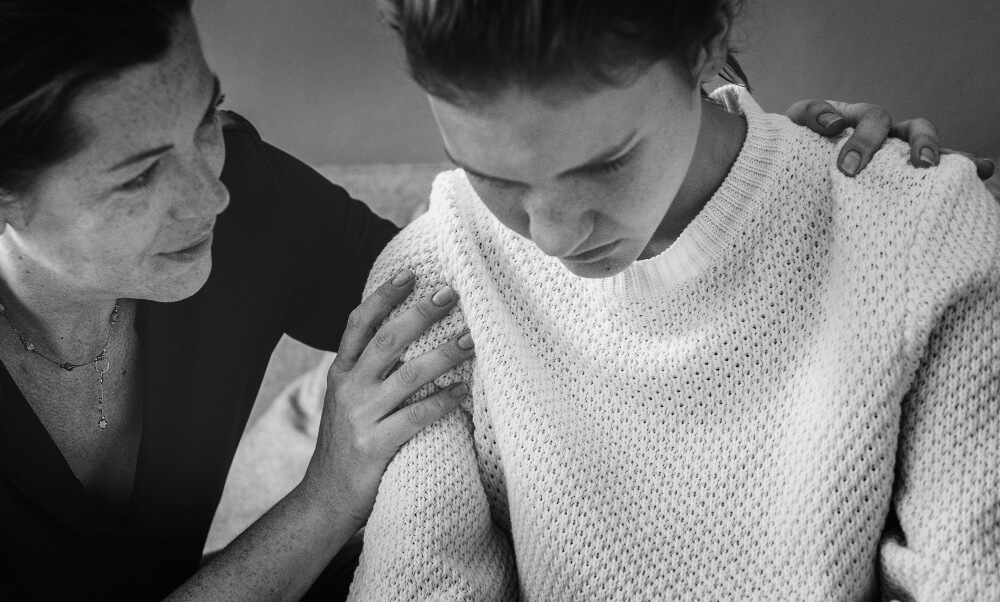
Living with schizoaffective disorder, bipolar type is possible with the right treatment and ongoing support.
Like many patients, you can also achieve improved functioning and a better quality of life by actively participating in your care.
Peer support, intense case management, vocational rehabilitation, social skills training, and supported employment are all vital components of treatment in schizoaffective disorder bipolar type.
Expert team at Schizoaffective disorder clininc Health & Psychiatry is here to help you...
We offer all kinds of therapies and help you need to combat your mental disorder and live a peaceful life.
With us, you can learn to better control your illness and get emotional support to cope with the suffering it causes via supportive therapy.
Consult NOW, and get the guidance you need for your emotional well-being with us at Health & Psychiatry!
FAQs
What is schizoaffective disorder bipolar type?
It is a mental health condition. It is characterized by symptoms of schizophrenia along with manic or mixed mood episodes.
Is schizoaffective disorder worse than bipolar disorder?
Not necessarily. Schizoaffective disorder is different. Often more complex. But both conditions are manageable with proper treatment.
How long does schizoaffective disorder last?
It is typically a lifelong condition. But symptoms can be well-controlled with ongoing care.
Is schizoaffective disorder genetic?
Genetics plays a role. Especially if there is a family history of mood or psychotic disorders.
Is schizoaffective disorder the same as bipolar disorder?
No. It is related but different. Schizoaffective disorder involves psychosis that occurs outside of mood episodes.