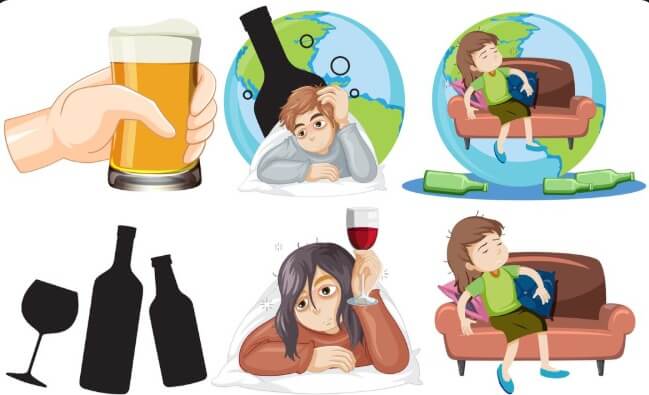
Alcohol abuse is commonly understood as excessive or risky drinking behavior. This behaviour can result in negative physical, psychological, or social effects. It is often considered part of a broader condition known as Alcohol Use Disorder.
The truth is that alcohol is highly normalized in most cultures. Parties, festivals, even suffering relief-drinking are not considered a serious problem. However, alcohol is a psychoactive and addictive drug. In the case of excessive consumption, it will silently transform your brain, behavior & health.
Alcohol is causing 2.6 million deaths annually in the world and approximately 400 million individuals are living with alcohol use disorders. It is a huge, continuing health problem for many people.
The trick about alcohol abuse is that it does not necessarily appear dramatic. It is usually a gradual process of developing a habit until it begins to take its toll on your body, your relationships, and your self-control.
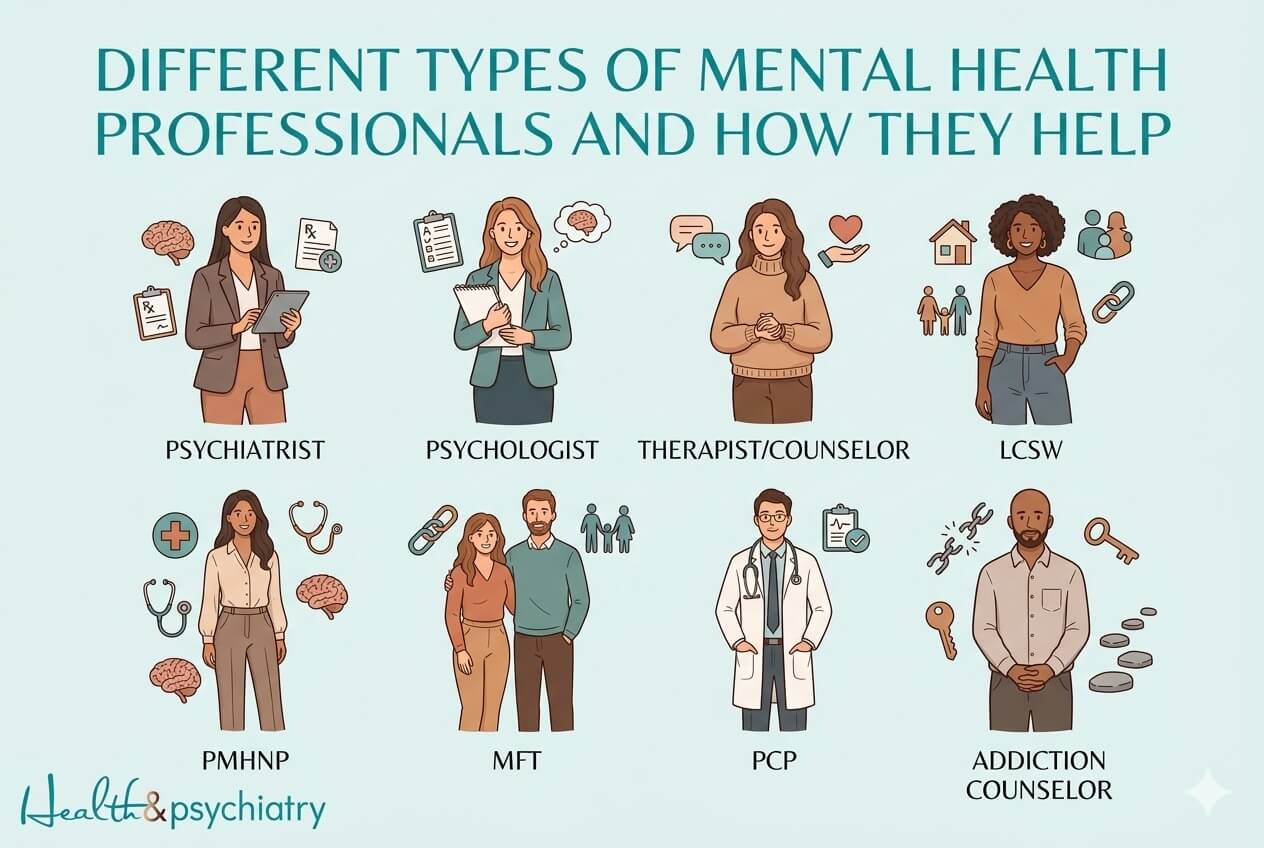
This is where alcohol addiction treatment centers in Florida come in. To get your alcohol addiction & mental health under control, it is important to get yourself affiliated with a certified clinic like Health & Psychiatry.
What Is Alcohol Abuse?

Alcohol abuse is not merely the issue of excessive drinking every now and then. It concerns a drinking habit in which alcohol begins to have a priority over your health.
It has the same clinical classification as Alcohol Use Disorder (AUD) on a spectrum, mild to severe. A problem does not require physical dependence.
If alcohol is doing the following…you’re already in that territory.
- Interfering with your responsibilities.
- Getting over your physical or mental well-being.
- Hard time cutting the consumption.
Stopping alcohol intake becomes more difficult because your brain starts linking it to reward and relief, even though you may want to stop.
Signs and Symptoms of Alcohol Abuse
→ Behavioral Alcohol Abuse Symptoms
- Overconsumption for a long time without stopping.
- Making multiple efforts to cut down and failing.
- Missing work, study, and family duties due to drinking.
- Alcohol misuse in hazardous circumstances (e.g., driving, operating machinery, etc.).
- Losing motivation in things that you previously liked.
- Organizing your life around the possibility of drinking.
→ Physical Signs of Alcohol Abuse
- Needing more alcohol every time.
- Having some withdrawal symptoms such as sweating, shaking, nausea or headache when not drinking.
- Regular hangovers or a long time recovering after drinking.
- Sleep problems or insomnia.
- Causeless lack of energy or sleepiness.
- Digestive disorders, e.g., acid reflux or stomachache.
- Observable alterations such as flushed skin, loss of weight or ill physical condition.
→ Emotional and Psychological Alcohol Abuse Symptoms
- Extreme irritability or unstable moods.
- Experience panic, become nervous or anxious without alcohol.
- Depending on alcohol as the main coping mechanism with stress or emotions.
- Continuous guilt or remorse following drinking.
- Lack of concentration or decision-making.
- Depression or depressed moods that get progressively worse.
- Denial or downplaying the effects of your drinking on your life.
Causes of Alcohol Abuse
→ Genetic and Biological Factors
It has been discovered that the risk of alcohol abuse disorder is amenable to up to 40 - 60 percent of genetic influence. Certain individuals are biologically more prone to the rewarding effects of alcohol or less prone to the adverse effects of alcohol.
Alcohol affects dopamine pathways at the brain level, which is the same neurological system triggered by motivation and pleasure.
→ Mental Health Conditions
It is among the largest motivations- and frequently ignored.
Alcohol and substance abuse often accompany depression, anxiety, and traumatic disorders. It is a kind of self-medication, only that it does not help to solve the problem, but only makes it worse.
Indeed, the sustained drinking despite the deteriorating mental health is a known symptom of alcohol misuse.
→ Social and Environmental Factors
The surroundings are more important than one might think.
Behavior can be influenced by growing up in a heavy drinking environment, peer influence, work ethic or simply easy access to alcohol.
Such early exposure is of particular importance, especially since individuals who begin to drink at a young age are at a much greater threat in their adulthood.
→ Psychological Factors
There are some personality traits and coping styles that make one vulnerable to alcohol and substance abuse.
Individuals who are unable to cope with stress, impulsiveness, or emotions can resort to alcohol since it gives them a quick-fix solution. In the long run, such relief is dependency.
Long-Term Effects of Alcohol Abuse

→ Physical Health Effects
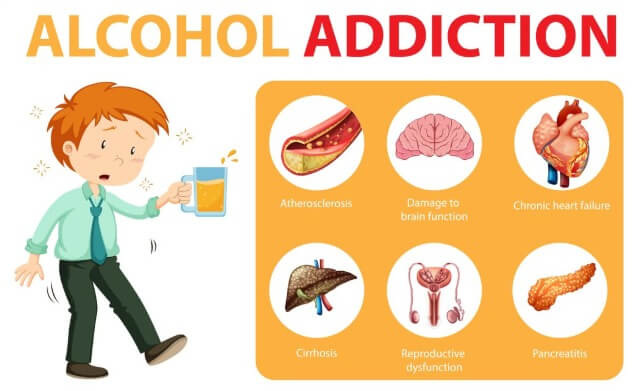
Alcohol is related by most people to liver disease, and indeed, alcohol-related conditions such as cirrhosis are widespread- but the effect is far wider.
There are more than 200 types of diseases that come under the side effects of alcohol abuse, such as heart disease, pancreatitis, and various types of cancers. It also suppresses the immune system, making one more prone to infections.
→ Brain and Cognitive Effects
Prolonged alcohol consumption alters the brain literally. It influences memory, decision-making & impulse control. In extreme instances, it may result in alcohol related dementia or irreversible intellectual disability.
→ Mental Health Effects
Alcohol does not simply co-exist with mental health problems; it increases them. That is, alcohol misuse is closely associated with depression, anxiety, and risk of suicide. The more one drinks to cope, the lower their level of mental health becomes.
→ Social and Lifestyle Impact
This is usually the most prominent effect. Relationships become strained. Work performance drops. Economic and legal issues may arise.
That’s not it… Research indicates that alcohol misuse is closely linked to accidents, risky behavior, and interpersonal conflict.
Treatment Options for Alcohol Abuse
Alcohol abuse can be treated medically, which is also known as Alcohol Use Disorder, and best done as a combination of alcohol abuse medication, therapy, and long-term assistance.
Treatment is usually customized to the extent of dependence and the situation of the individual as opposed to providing a one-size-fits-all solution.
1. Behavior and Psychological Therapies
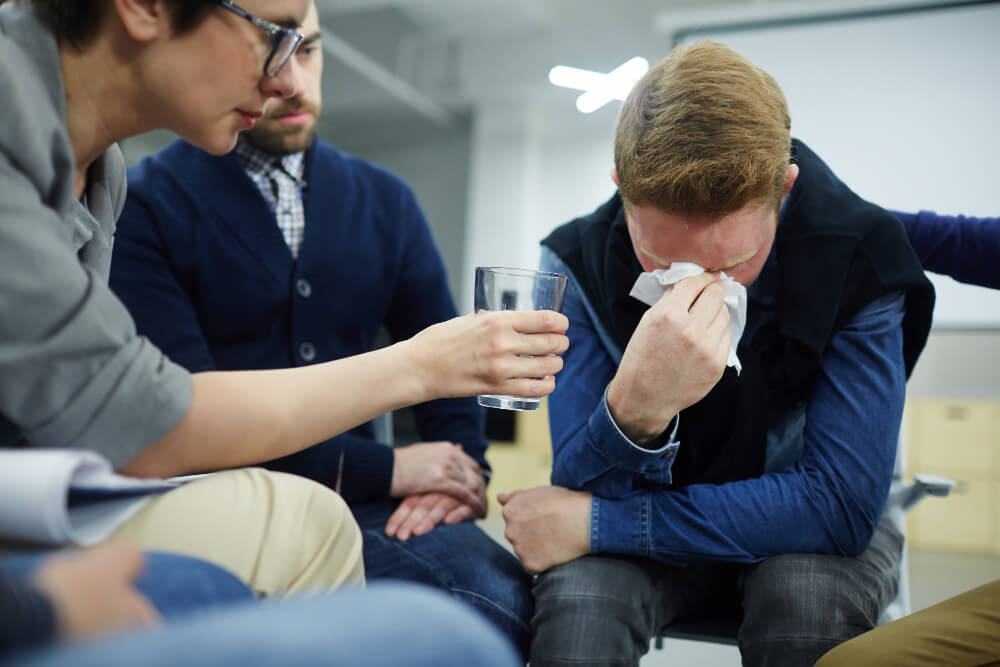
The role of talking therapies in the recovery process is quite supportive:
→ Cognitive behavioral therapy (CBT) is aimed at making people understand the patterns that contribute to drinking and substituting them with healthier coping strategies.
→ Motivational enhancement therapy (MET) is a therapy for alcohol abuse that is commonly used at the beginning of treatment to develop readiness toward change, particularly in ambivalent individuals.
→ Structured group programs and family therapy are also significant because social support has been found to enhance the ultimate recovery outcomes in alcohol addiction treatment. Research has shown that those who undergo regular behavior therapy have a much higher probability of cutting down on alcohol usage and achieving abstinence.
2. Pharmacological Treatments
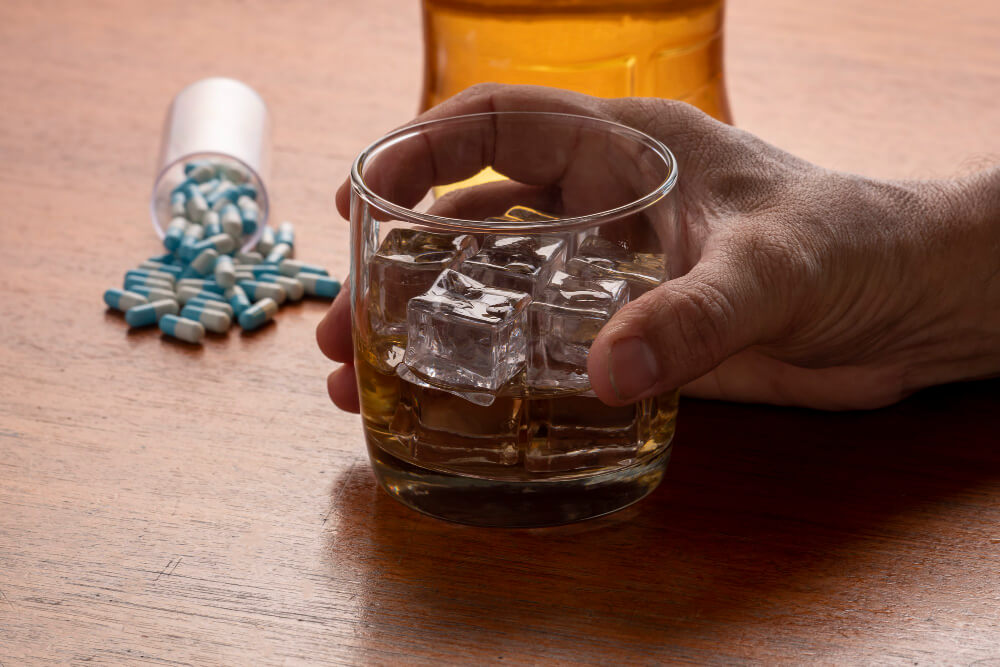
Pharmacy medication can be used to help in the process of recovery by decreasing cravings or deterring alcohol consumption. In a massive systematic review in JAMA, drugs prescribed by psychiatrists along wth alcohol abuse counselling sessions are significantly effective for alcohol abuse treatment. Increasing the rates of abstinence over placebo.
3. Continuing Care and Medical Detoxification
In severely dependent alcoholic persons, it may be a requirement that they are subjected to medically-supervised detoxification to enable them to safely tolerate the withdrawal symptoms, including seizures or severe anxiety.
However, detox is not sufficient; it is normally followed up by the regimen of well-structured rehabilitation and relapse prevention programmes in an alcohol abuse clinic under therapist care..
Sustained recovery plans usually comprise continuous counseling, change of lifestyles, and involvement in peer-support groups.
How Alcohol Abuse Is Diagnosed?
Diagnosis normally implies a detailed clinical examination. The medical therapists for alcohol abuse assess drinking history, physical health, and psychological symptoms.
The severity is commonly determined by the use of standardized screening instruments like the AUDIT (Alcohol Use Disorders Identification Test).
To examine the functioning of the liver and identify the presence of alcohol-related harm, laboratory tests can also be performed.
Alcohol Abuse Risk Factors
There are a number of reasons that predispose people to develop problematic drinking behaviors. These are early exposure to alcohol, alcohol addiction in the family, and high-stress environments.
Patients with untreated mental health issues are at high risk. Moreover, the normative acceptance of heavy drinking in society and easy access to alcohol also lead to increased prevalence.
Complications of Untreated Alcohol Abuse!

Alcohol abuse may have serious and even irreparable effects, which can arise if it is not treated. These are chronic illnesses, mental loss, and a high likelihood of accidents or injuries, along with severe physical signs of alcohol abuse..
The failure to attend alcohol abuse counseling in the long term can also cause legal complications, financial instability, and total collapse of personal relationships.
Receive Personalized Alcohol Abuse Treatment in Florida at Health & Psychiatry!
There is one thing to learn, and that is, this bad habit can become a serious mental health condition and does not clear away by itself!
At Health & Psychiatry, an alcohol addiction treatment center in Florida, under the expert care of Dr. Dinar Sajan, MD., we integrate medical needs, therapy, and long-term recovery planning- instead of providing a one-size-fits-all solution for your drinking problems.
When you or a loved one is in need, there is no need to feel weak; we’re here to help.
If commute is a problem, we also offer online treatment for alcohol abuse, with our telepsychiatry services, for our patients’ ease!
FAQs
What is alcohol abuse?
Alcohol abuse is a drinking habit that causes adverse effects on health, personal life, and normal lives.
Is dementia caused by alcohol abuse?
Yes, long-term alcohol misuse is associated with mental impairment and diseases like alcohol-related dementia as a result of brain damage.
What is the recovery time after being addicted to alcohol?
Recovery timelines vary. The first withdrawal can take days to weeks and the second and third recovery and behavioral changes can take months or years.
What is the difference between alcohol abuse and alcoholism?
Abuse, as a phenomenon, is defined as harmful drinking habits and alcoholism (or severe Alcohol Use Disorder) is a state of physical dependence and inability to control the consumption.
Is it possible to restore your brain after abusing alcohol?
With early treatment and prolonged sobriety, there is some ability of the brain to recover. Nevertheless, acute or chronic damage cannot always be reversed.