Did you ever have the feeling that your chest was closing in on you and you could not breathe? Probably it was you getting panicked due to any situation.... Fear, worry, and stress are common feelings that are encountered in your daily life.
However, when such emotions are too intense, they may lead to serious bouts that are usually known as panic attacks or anxiety attacks. Experts estimate that 2.7 per cent of the US population has had at least one panic attack in a lifetime.
Although the interchangeability of panic attack vs anxiety attack is widespread, but there exists a disparity between the two.
What Is an Anxiety Attack?
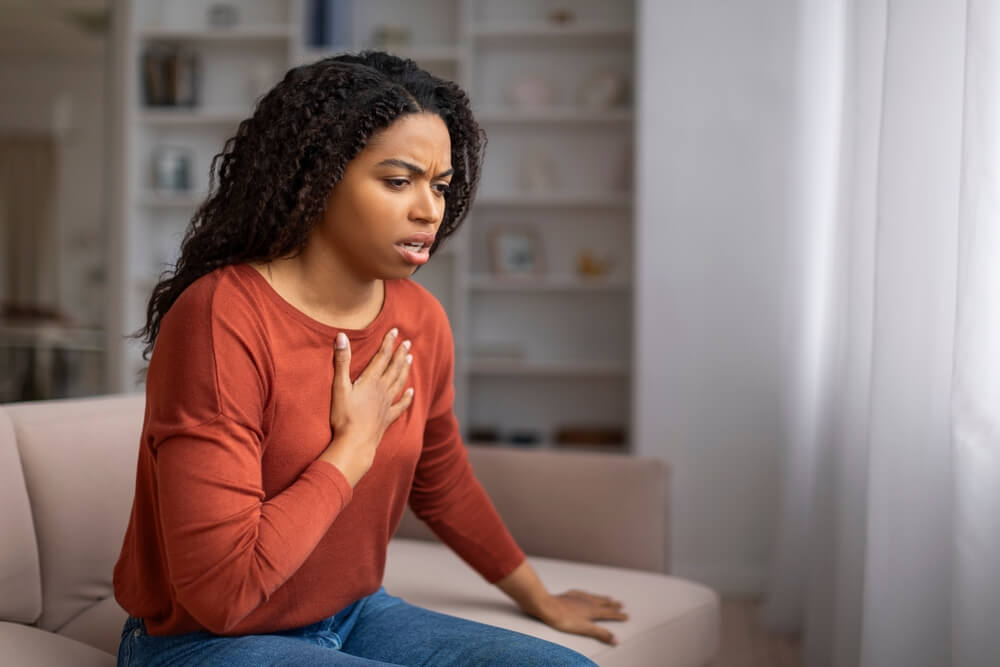
The state of extreme worry, fear, or emotional stress is referred to as an anxiety attack and is a term that is widely used to explain it. Anxiety attacks are not identified in the medical world, as compared to panic attacks, and thus, are not enumerated in the Diagnostic and Statistical Manual of Mental Disorders (DSM-5).
Anxiety attacks, in most instances, arise with time and are triggered by stress or the worrying of a particular situation.
As an example, a person can experience an anxiety attack before a big test, an interview, or a monetary issue.
A typical anxiety attack may have the following symptoms:
- Excessive worry or fear
- Unquiet or aggravation
- Fast heartbeat
- Muscle tension
- Feeling nauseous
- Difficulty concentrating
- Trouble sleeping
- Abdominal pains
These symptoms can continue to increase with the accumulation of stress.
The anxiety attacks can take between several minutes and hours. Moreover, in some cases, more hours. Depending on the stressor at hand.
What Is a Panic Attack?

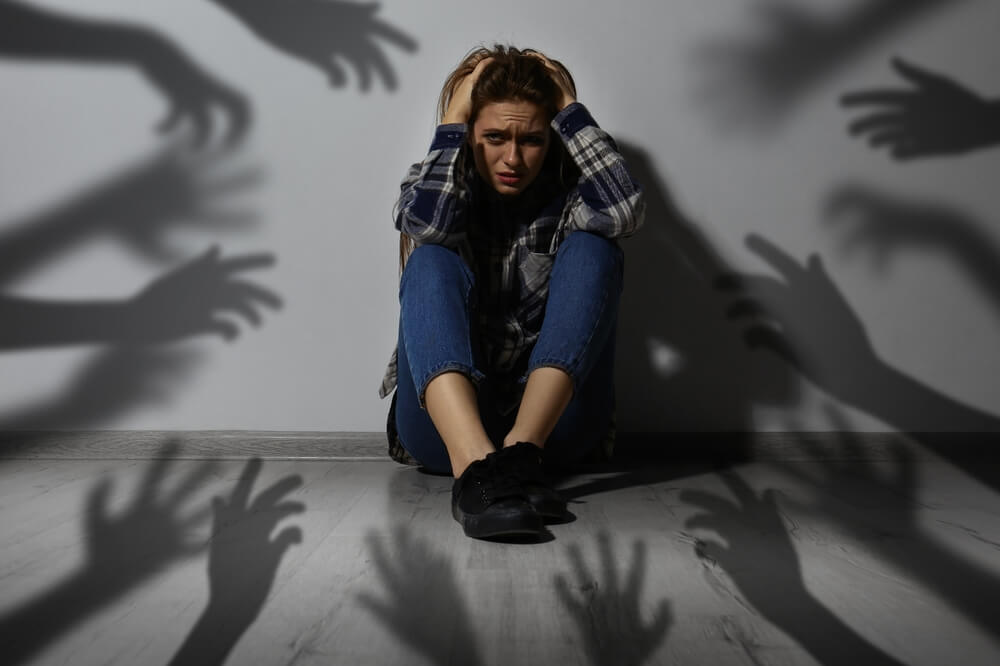
A panic attack is an abrupt outburst of great fear that provokes highly physical and emotional responses, even in the case of no imminent danger. The panic attacks are listed in DSM-5 and commonly linked to panic disorder or other anxiety disorders.
These episodes can be very unpredictable and can reach maximum intensity in a matter of a few minutes. The duration of most panic attacks takes place between 10 and 20 minutes, but some episodes might be perceived to be longer based on the severity of the symptoms.
A panic attack is associated with the following common symptoms:
- Rapid or pounding heartbeat
- Shortness of breath
- Chest pain or tightness
- Sweating or trembling
- Unsteadiness or lightheadedness
- Nausea
- Fear of dying
The symptoms may resemble a heart attack and hence most individuals undergoing a panic attack think that they are having an emergency case that can take their lives.
Panic Attack vs Anxiety Attack: Key Differences
Although anxiety and panic attacks have various similarities in terms of their symptoms, their patterns and triggers vary.
→ Onset
A panic attack comes without any prior notice. Whereas anxiety attacks progressively go along with the growing stress.
→ Trigger
Panic attacks can occur without any apparent cause. But anxiety attacks can be accompanied by certain factors like work pressure, relationship issues, or even financial concerns.
→ Intensity
Panic attacks are more severe, and the physical symptoms are more pronounced. Such as shortness of breath, chest pain, and dizziness.
→ Duration
Panic attacks are normally short-lived and rapid in their peak. Anxiety attacks may extend to include protracted periods.
→ Medical Recognition
Panic attacks are classified under the DSM-5. Anxiety attacks can be considered a descriptive condition that explains extreme cases of anxiety.
Panic Attack vs Anxiety Attack: A Quick Comparison!
|
Feature |
Panic Attack |
Anxiety Attack |
|
Medical Recognition |
Officially recognized in the Diagnostic and Statistical Manual of Mental Disorders |
Not a formal clinical diagnosis; commonly used term for intense anxiety |
|
Onset |
Sudden and unexpected |
Develops gradually as stress increases |
|
Trigger |
May occur without a clear trigger |
Usually linked to a specific stressor such as work pressure, exams, or financial problems |
|
Intensity |
Symptoms are intense and overwhelming |
Symptoms are generally less intense but still distressing |
|
Peak Time |
Reaches peak intensity within a few minutes |
Builds slowly over time |
|
Duration |
Typically lasts 10–20 minutes |
Can last from several minutes to hours |
|
Common Symptoms |
Chest pain, shortness of breath, dizziness, trembling, fear of dying |
Excessive worry, restlessness, muscle tension, trouble concentrating |
|
Physical Sensations |
Strong physical reactions that may mimic a heart attack |
Mostly emotional distress with some physical symptoms |
|
Associated Disorders |
Often linked with panic disorder and other anxiety disorders |
Often related to stress, generalized anxiety, or situational worries |
|
Need for Treatment |
May require therapy or medication if recurrent |
Often managed with stress management, therapy, and lifestyle changes |
Why Do Panic Attacks and Anxiety Attacks Happen?

Anxiety with panic attacks is associated with the natural fight or flight mechanism of the body, where the body is ready to respond to any perceived danger.
The causes of these episodes can be:
1. Stress and Life Events
Anxiety or panic attacks can be provoked by significant changes in life. Such as loss of the job, financial issues, relationship difficulties, or even traumatic events.
2. Genetics
People who have a family history of anxiety disorders are likely to develop a panic or anxiety attack.
3. Brain Chemistry
The disproportions of neurotransmitters such as serotonin and dopamine might affect the mood and the level of anxiety.
4. Mental Health Conditions
The disorders associated with panic attacks and anxiety attacks are common cases that include GAD, panic disorder, PTSD, and social anxiety disorder.
Vulnerability associated with anxiety may also occur as a result of environmental influences and childhood exposures.
Anxiety and Panic Disorders: Diagnosis and Treatment

When there is an instance of a panic attack or a difficult situation of anxiety, then a medical practitioner will administer a mental examination according to the DSM-5 guidelines to establish the underlying factor.
The clinician will usually:
- Review medical and psychiatric history.
- Discuss symptoms and their duration.
- Evaluate impact on daily functioning.
- Rule out physical conditions such as thyroid disorders or heart problems.
Diagnostic Criteria
Mental health professionals commonly use criteria from the Diagnostic and Statistical Manual of Mental Disorders to determine whether symptoms meet the threshold for an anxiety or panic disorder.
For panic disorder, the diagnosis generally requires:
- Recurrent unexpected panic attacks.
- Persistent concern about having more attacks.
- Behavioral changes to avoid triggers.
Treatment Options
Effective treatment is available for most people with anxiety and panic disorders. Treatment usually combines psychotherapy, medication, and lifestyle changes.
Some of the best treatments for panic attacks and anxiety after the diagnosis include:
1. (CBT) Cognitive Behavior Therapy (CBT)
This therapy will help individuals to identify the unhealthy patterns of thinking and replace them with healthier coping mechanisms.
Benefits include:
- Learning coping strategies.
- Gradual exposure to feared situations.
- Improved emotional regulation.
CBT is considered one of the most effective treatments for panic disorder.
2. Medication
To manage the symptoms, physicians can prescribe a drug such as antidepressants or anti-anxiety medications for anxiety and panic attacks.
3. Lifestyle Changes
Lifestyle changes can significantly support treatment.
Helpful practices include:
- Regular physical exercise.
- Mindfulness meditation.
- Adequate sleep.
- Limiting caffeine and alcohol.
- Deep breathing and relaxation techniques.
4. Exercises
With the help of mindfulness, meditation, and breathing, panic disorder vs anxiety disorder can be lowered, and further attack prevention can be achieved.
How to Live With Panic and Anxiety Attacks?

It is as easy as treating panic and anxiety attacks through coping mechanisms that enable relaxation of the stress system of the body. The decrease of the symptoms can be achieved through deep breathing and grounding exercises, physical activity, and mindfulness.
The prevention of the attacks can also be done by avoiding stimulant substances like caffeine and alcohol. Moreover, a journal of tracking triggers and symptoms can help them learn to manage their anxiety and understand it better with time.
When to Seek Professional Help?
The occasional anxiety or panic is usual, but with frequent or severe incidences, they may involve the services of a professional. In case of regular panic attacks and interference with normal daily life, you need to see an in-person or online therapist for anxiety and panic attacks.
With an accurate diagnosis, a competent specialist can give anxiety and panic disorder treatments to assist in the management of the symptoms.
Get Professional Support for Anxiety and Panic Attacks!

Panic attacks or severe anxiety are interfering with your daily life???
Professional guidance can make a meaningful difference!!!
At Health & Psychiatry, experienced mental health professionals provide compassionate care. Our evidence-based therapy and personalized treatment plans can help you manage anxiety and regain your emotional balance.
Need an evaluation? Or therapy or long-term support? Reach out NOW! It might be your first step toward feeling better.
FAQs
Can anxiety become panic disorder?
Yes, anxiety can turn into a panic attack if stress levels go on increasing without relief.
Can you get a panic attack with an anxiety attack?
Yes. Many individuals with anxiety disorders can have anxiety attacks and panic attacks based on the triggers and the intensity of the stress.
How long does a panic attack last?
The majority of panic attacks are not sustained. The reaction ends in a few minutes without the need for any further treatment.
Is a panic attack the same as an anxiety attack?
No. Panic attacks have been identified as a medically known disorder. Symptoms of a panic attack are sudden and acute. Anxiety attacks are normally used to denote extreme episodes of anxiety.