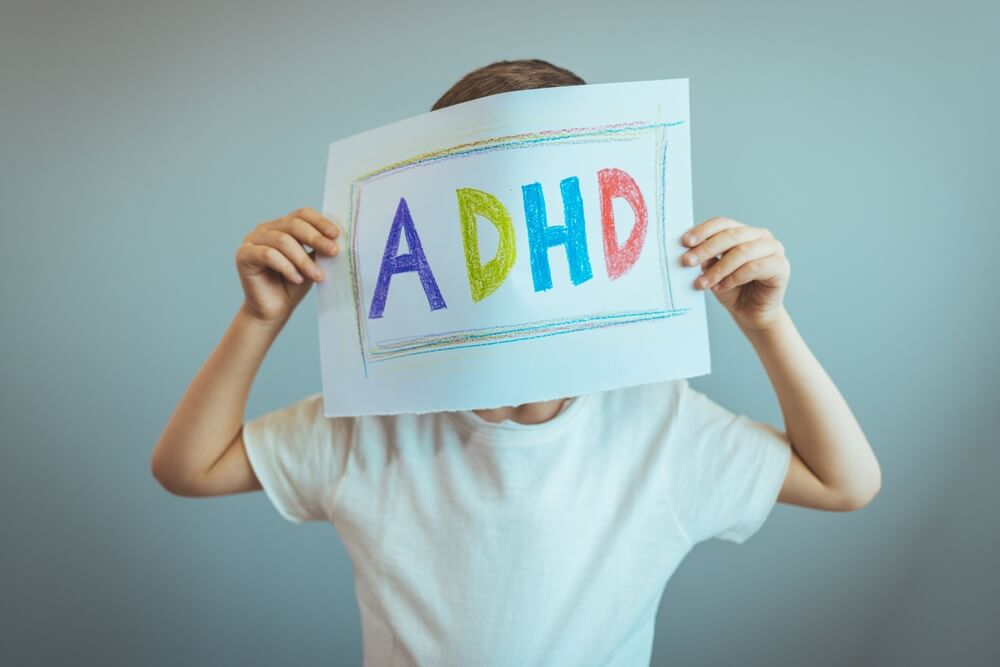
Attention Deficit Hyperactivity Disorder (ADHD) is a recognized complex neurodevelopmental disorder. It stems from variations in how the brain grows and works. It changes the way the brain thinks, sustains attention, and manages impulses. If left untreated, attention-deficit hyperactivity disorder will interfere with nearly every aspect of life. With proper management, treatment, however, people with ADHD can have normal, productive, and enjoyable lives.
- ADHD most often emerges in childhood, especially when children start school.
- The parents and teachers will see a child struggling to pay attention, follow instructions, or stay seated more than others.
- For others, symptoms continue into adult life. A lot of adults don't learn they have ADHD until later in life, and sometimes it takes years of frustration in school or work situations.
Most importantly. People with Attention deficit hyperactivity disorder can achieve great success in their lives. Only if their condition is understood and managed properly....

Signs and Symptoms of Attention Deficit Hyperactivity Disorder
The symptoms of ADHD are typically divided into three categories: Inattention, Hyperactivity, and Impulsivity. Each individual has a different type and severity of symptoms.
1. Inattentive Symptoms
- Having difficulty focusing on tasks or discussions
- Recurring mistakes due to the inability to pay attention to detail
- Forgetting daily tasks such as chores or appointments
- Having difficulty with time management and organization
- Continuously losing personal items
2. Hyperactive Symptoms
- Repeated motion or fidgeting
- Having difficulty staying seated in quiet or formal settings
- Excessive speech or inability to remain silent
- A sense of being "driven by a motor"
3. Impulsive Symptoms
- Interrupting others or speaking out of turn
- Difficulty waiting patiently
- Hurrying without considering risks and consequences
- Spur-of-the-moment decisions
The way symptoms appear typically changes with age and environment. A young child may rush around the classroom, while an adult may exhibit chronic procrastination and a spotty work history.
Left untreated and unnoticed, Attention Deficit Hyperactivity Disorder can lead to disastrous difficulties; problems at school, relationship issues, and even higher risks of injuries and drug abuse.

What Contributes to ADHD?
As research indicates, ADHD occurs as a result of the interaction of some genetic, neurological, or environmental factors.
1. Heredity and Genes
Attention-deficit hyperactivity disorder can be inherited. Researchers estimate its heritability at 70–90%. Multiple genes (e.g., DRD4, DAT1) that regulate brain chemicals such as dopamine have been identified as associated with ADHD.
2. Environmental Factors
Certain conditions are more vulnerable:
- Exposure in early childhood to toxins like lead
- Prenatal exposure to alcohol, tobacco, or drugs
- Premature or low birth weight
3. Brain Structure and Function
- Neuroimaging has shown variations in brain regions responsible for attention and impulse control.
- The prefrontal cortex, which plays a role in planning and organization, typically functions differently in individuals with attention-deficit hyperactivity disorder.
- The striatum helps with the regulation of motivation and reward. It functions differently in ADHD, thereby making it more challenging to be interested in routine activities.
Who Is Affected by Attention Deficit Hyperactivity Disorder?
According to a national survey of parents, the CDC estimates 7 million (11.4%) U.S. children aged ranging from 3 to 17 years have ever been diagnosed with Attention Deficit Hyperactivity Disorder. However, ADHD does not affect everyone in the same way.
ADHD in Children
Boys are more likely to be diagnosed. 15% of Attention Deficit Hyperactivity Disorder cases are diagnosed in boys and 8% in girls. It may be due to many girls are not diagnosed because their symptoms are less disruptive.
ADHD in Girls and Women
Girls are more likely to have inattentive symptoms like daydreaming or quiet disorganization rather than hyperactivity. Many cope by "masking" their challenges, so diagnosis is delayed.
ADHD in Adults
Numerous adults discover they have Attention Deficit Hyperactivity Disorder just after their child is diagnosed. In grown-ups, ADHD may lead to poor job performance, issues with maintaining relationships, and financial concerns. Cultural expectations also come into play. In societies where females are meant to be passive and obedient, inattentive ADHD might not be noticed for many years.

Coexisting Conditions with Attention Deficit Hyperactivity Disorder
More than two-thirds of people with ADHD have another mental health or learning disorder. These include:
- Anxiety and mood disorders
- Oppositional defiant disorder (ODD) or conduct disorder
- Learning disabilities
- Autism spectrum disorder
- Sleep disturbances
Because symptoms overlap, a thorough psychiatric assessment is necessary. For example, difficulty concentrating can be caused by anxiety, depression, or ADHD, or a combination of them.
Diagnosis of ADHD
Diagnosing Attention Deficit Hyperactivity Disorder involves more than observing a few restless behaviors. A qualified psychiatrist will perform a comprehensive psychiatric assessment that may include:
- A detailed history of symptoms, including when they began.
- Structured interviews with patients, parents, or teachers
- ADHD-specific rating scales and questionnaires
- Evaluation of developmental and medical history
- Screening for conditions with overlapping symptoms
Because attention-deficit hyperactivity disorder looks different across age groups and genders, professional evaluation is essential for an accurate diagnosis.
You Might Have Attention Deficit Hyperactivity Disorder!
Others discover they have ADHD when they come into treatment for their children or when they hear about it from another source. The following are the symptoms that indicate that you need an ADHD assessment:
- You never can find a way to organize, even after several attempts of trying to be better.
- Critical deadlines are missed, and you end up caught in basic day-to-day chores that everybody else seems to do without much effort.
- It becomes more and more difficult to keep the concentration at the meetings, in discussions or it becomes more difficult to read.
- Impulsivity interferes with your choices and connections.
- You disrupt everybody, you buy things on impulse without having to think about the prices, and you quit jobs or relationships suddenly.
- Time management is always a problem when there is an unending tendency of lateness and overestimating the time of execution.
These challenges probably exist since childhood, although they might not be officially acknowledged, and they have significant effects on work, relationships, as well as your personal health.
Long-Term Outlook!
ADHD is a chronic mental disorder. Although it does not limit the potential of the individual. But, with the right therapy and specialist care, individuals with ADHD can be successful in education, career, and social life. Otherwise, untreated, ADHD may aggravate other risks such as:
- Educational failure
- Unemployment
- Financial issues
- Substance abuse
- Other severe mental issues
Such risks are important to minimize by early diagnosis of Attention Deficit Hyperactivity Disorder and continuous professional support.

Why Professional Help is Necessary for ADHD?
There is no universal treatment for Attention Deficit Hyperactivity Disorder. The symptoms and needs of every individual are varied. This is the reason why it is highly necessary to seek the assistance of a qualified psychiatrist or mental health provider. An expert psychiatrist can:
- Properly diagnose your symptoms
- Prescribe and oversee effective medication
- Offer therapy or refer to specialty programs
- Help families create structured support systems
- Offer long-term care for changing needs over time
Bottom Line
Attention deficit hyperactivity disorder is not an issue of poor concentration or poor discipline. It is a brain disorder with real neurological differences. While symptoms may disrupt daily life, treatment profoundly transforms things. Individuals with ADHD can get better with proper management, care, and diagnosis of the condition. In case you are experiencing ADHD or your child has the symptoms, the first thing to do is to seek the assistance of a qualified psychiatric practitioner.
At Health and Psychiatry, our vision is to help patients and families navigate through diagnosis, treatment, and continuing care so that way, ADHD does not pose as an impediment to a happy and healthy life.