Persistent depressive disorder (PDD), also known as chronic depression, is not a few days of feeling down. It is a long-term form of depression and can take many years to manifest itself and affect the way one thinks, feels & functions.
One of the leading causes of mental disability in the world is depression, whereby the number of those affected is about 332 million around the globe. Most of the cases are untreated or untested, although this is widespread, especially in the low- and middle-income areas, where over 75 percent of the affected do not get treatment.
One must realize that chronic depression is a less evident kind of depression whose symptoms may not be as prominent as with major depression, but they are far more destructive and enduring over time.
What Is Chronic Depression?

Although not as severe as major depression, but if your sadness and dull mood period lasts over 24 months, it could be called chronic depression.
This mood sticks around, steady like a hum in the background, not coming and going as sharper crashes do.
Chronic depression becomes part of how someone feels day after day, without the major depressive MDD episodes seen in more intense forms.
It is a complex of inappropriate emotional, physical & cognitive symptoms that disrupt everyday life, relations, and efficiency. Although it does not necessarily have to be very intense, PDD is especially difficult due to its long-term character.
Chronic Depression Symptoms
|
Type |
Symptoms of PDD |
|
Emotional |
|
|
Physical |
|
|
Cognitive |
|
|
Behavioural |
|
→ Emotional Symptoms of Chronic Depression
Chronic depression is characterized by persistent sadness or emptiness in the sufferers. They can experience hopelessness, guilt, and worthlessness for long durations. It is also characterized by reduced capacity to feel pleasure or anhedonia.
The chronic depression disorder can be less recognizable with irritability and emotional numbness, as opposed to open sadness. These emotional transformations can remain for years without alleviation.
→ Physical Symptoms of PDD
Depression is not only in the head, but it also spreads to the body. Typical physical symptoms are fatigue, energy loss, sleep disorders (insomnia or oversleeping) & appetite or weight changes.
There is also a frequent occurrence of headaches, digestive problems & chronic pains, which are effects of dysthymia on the overall physical health.
→ Cognitive Symptoms of Persistent Depressive Disorder
Chronic depression usually distorts thinking. Patients might have difficulties in focusing, recalling and making decisions.
The process of negative thinking, e.g., self-criticism or pessimism, may become a habit, further sinking the condition.
→ Behavioural Changes & Signs of Dysthymia
Individuals can either retire to social life, shirk duties, or lose interest in activities they previously enjoyed.
The behavioral consequences of dysthymia disorder are reduced productivity, absenteeism and trouble keeping relationships.
Early Warning Signs of Chronic Depression
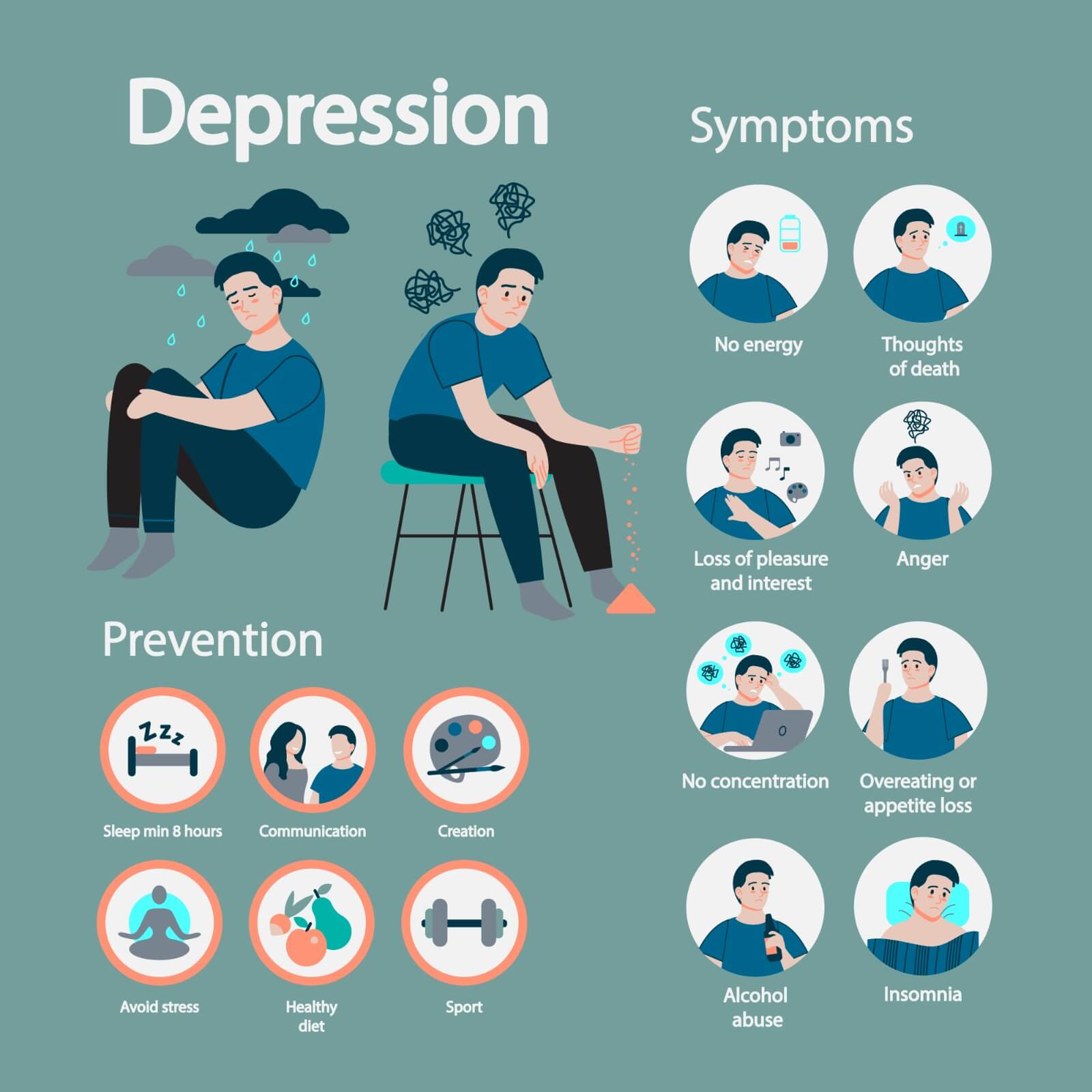
Chronic depression is a progressive disorder, and therefore, it is hard to detect early.
Warning signs include:
- Continuing low mood of several weeks or months.
- Finding less joy in things once enjoyed.
- Hanging out feels pointless now.
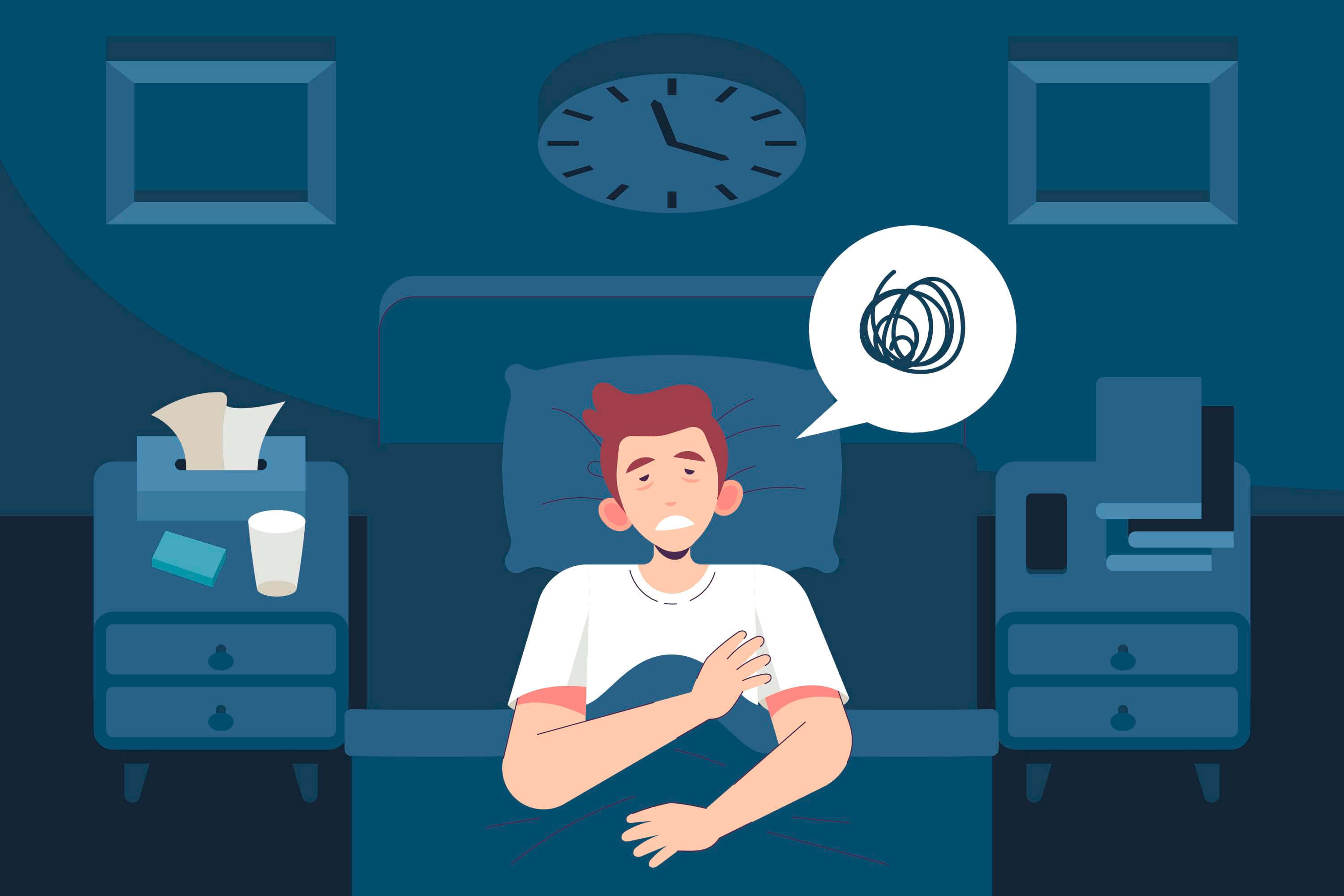
- Drowsiness even after long hours of sleep.
- Major fatigue sticks around without a clear cause.
- Energy stays low regardless of time spent resting.
- Poor focus or decision-making.
- Greater irritability or sensitivity to emotions.
If those signs of chronic depression stick around past two weeks, while daily life begins to falter, it might point toward persistent depressive disorder (PDD) taking hold.
Causes of Chronic Depression

Like many other mental health conditions, such as schizoaffective disorder, generalized anxiety disorder, bipolar disorder, and post-traumatic stress disorder, it is not caused by a single trigger but rather a complex interplay of brain chemistry, life experiences, and genetic predisposition.
→ Brain Chemistry and Neurotransmitters
When brain chemicals like serotonin, dopamine, or norepinephrine shift out of balance, chronic severe depression often follows. These substances shape how stable emotions feel day to day.
When these chemicals act up, moods can stay low for a long time. A glitch in their activity might keep sadness going. If things go off track inside, the mind often follows.
→ Family Roots and Genes
A single mental health condition in your bloodline might tilt things. Family history often makes one more prone to it.
Scientists have lately found hundreds of DNA differences tied to depression through big research efforts, highlighting how biology plays a role. Though complex, these findings point to physical roots rather than just mood alone.
→ Long Term Stress or Trauma
Hard times stick around when life keeps piling on financial troubles, pain, or grief. Depression grows stronger under that weight without relief in sight.
Long-term stress leaves people more fragile under emotional strain later on.
→ Personality Factors
Last thing you’d expect - how we see ourselves might feed sadness. Not feeling good enough can pull one's mood down over time. Always expecting the worst outcome tends to darken thoughts slowly. How a person thinks shapes how they feel, more than most notice.
Moods can shift how someone sees a tough situation. Life's challenges might feel heavier when emotions run high. A quiet moment could bring clearer thoughts instead.
Chronic Depression Diagnosis!
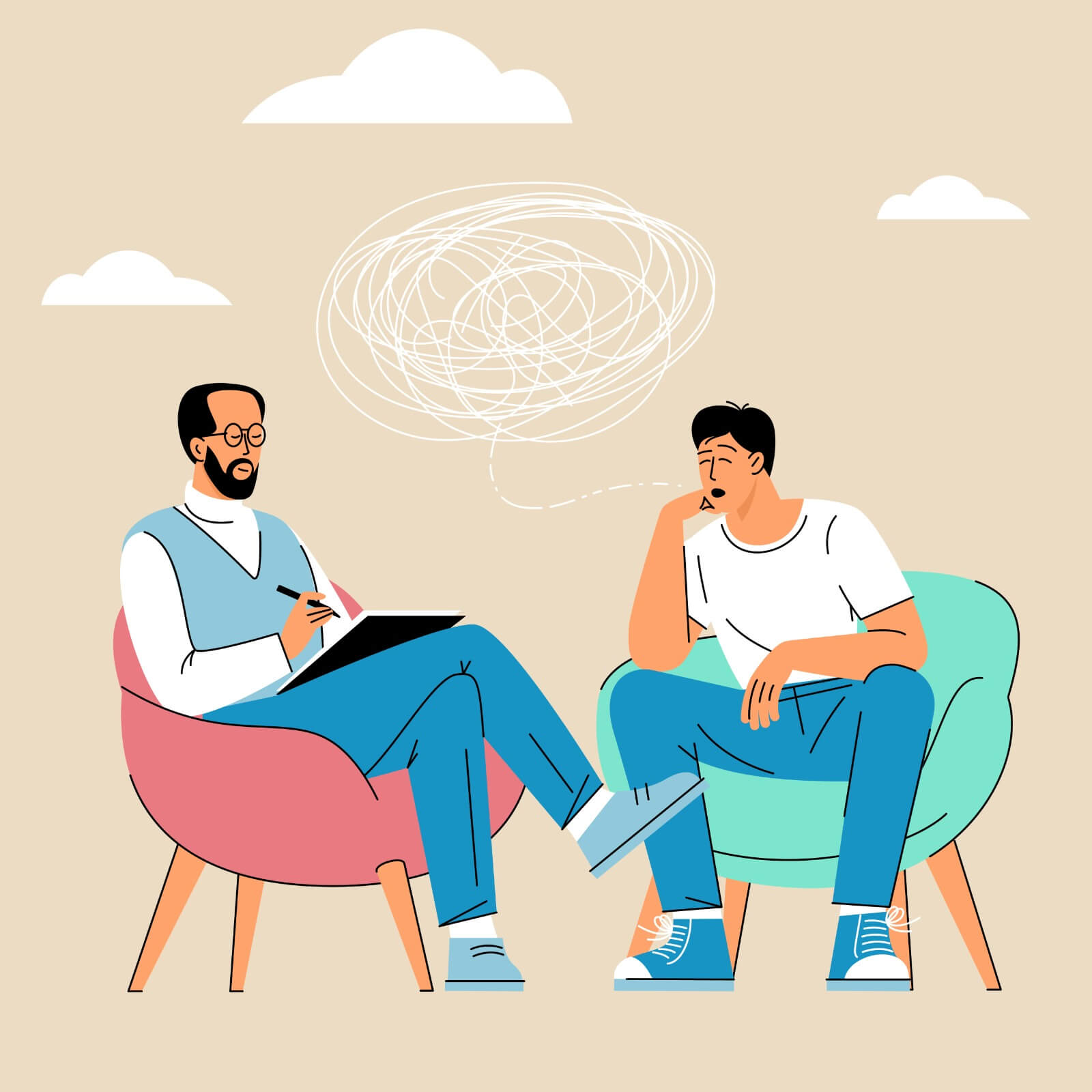
Most times, a trained therapist makes the call using guides such as the DSM-5. Specific signs need to fit clear patterns seen over time to get the diagnosis.
Some of these are:
→ Signs of dysthymia last for a minimum of twenty-four months.
→ Multiple depressive symptoms.
→ Effects on everyday life.
The severity of the condition is assessed through tools like the PHQ-9, used by a psychiatrist ot pdd therapy provider. Another way is that our depression treatment center in Florida, Health & Psychiatry, uses professional psychiatric evaluation & questionnaires to gauge intensity.
When someone feels down, it might not be just one thing going on. Other struggles, like constant worry or long-term health issues, can show up at the same time. Because of that, getting a full picture means looking closely.
Treatment Options for Chronic Depression

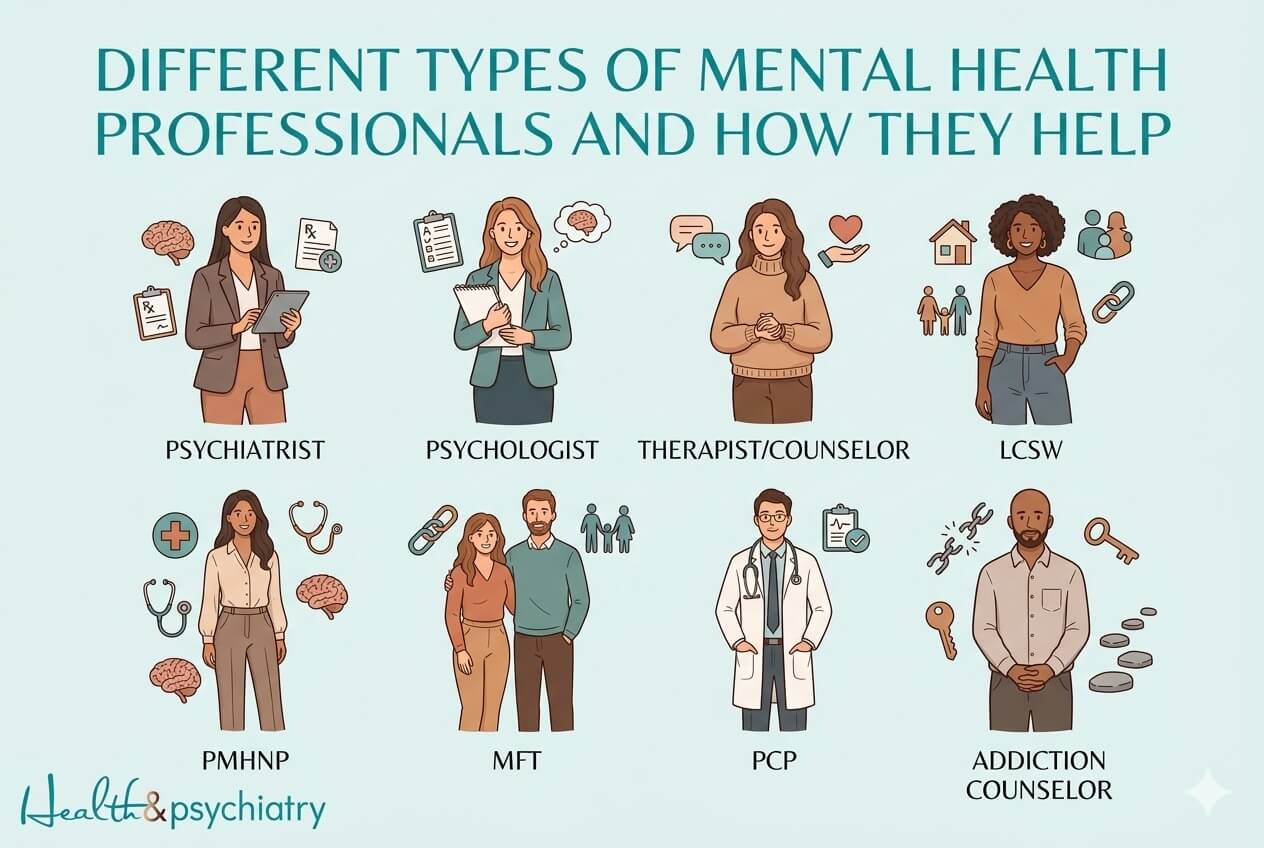
Chronic depression treatment requires a comprehensive and individualized approach by an expert PDD therapy provider. It should focus on long-term symptom management. And aiming to improve the quality of life.
→ Psychotherapy
A fresh way of working with thoughts often makes a big difference. It incorporates treatments such as cognitive behavioral therapy, family therapy, and dialectical behavior therapy.
It has been reported that 1 in every 3 individuals has improved with just chronic depression therapy of PDD.
→ Medication
Medicines like SSRIs or SNRIs help boost brain chemicals linked to mood. Around four out of ten people start feeling better after six weeks on them.
Some notice shifts in severe chronic depression symptoms within two months, though results differ person by person.
→ Combination Therapy
Medicine is found to be effective in combination with talk therapy (most people). The American Psychiatric Association suggests that a combination of the two would be more likely to yield stronger results than using either of the two methods individually.
→ Lifestyle Interventions
Bringing out changes in your routine also helps. Some examples include eating healthy and exercising.
Moreover, walking every day might lower the risk of sadness. Moving often shows strong help for feeling better - taking at least 8,000 steps daily may help.
Small shifts in routine play a role, too.
Making friends and taking their support can also prove to be effective.
→ Advanced Treatments
If someone has long-term depression that does not get better with standard care, then options might include.
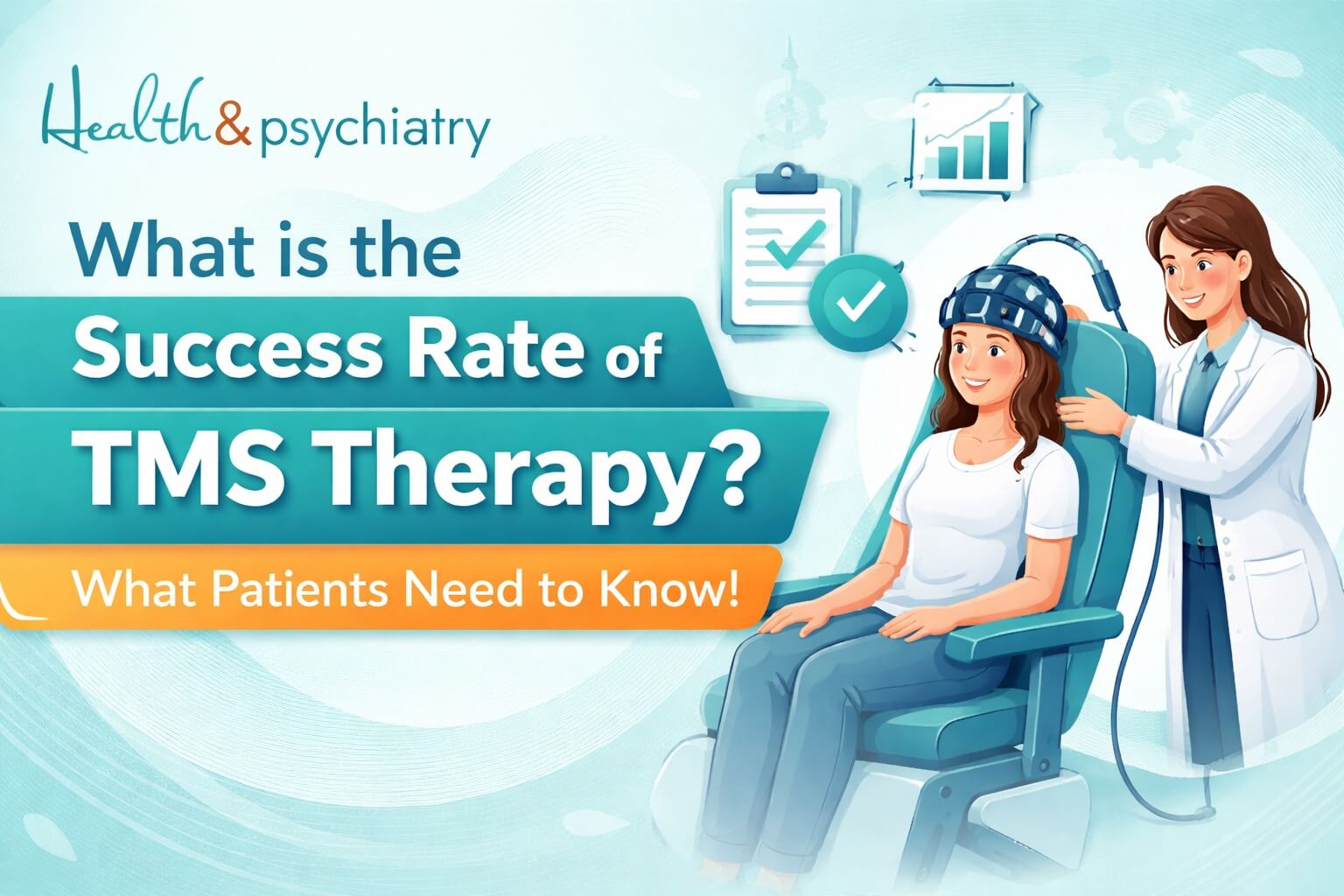
- Transcranial Magnetic Stimulation TMS for Depression
- Spravato
- Electroconvulsive Therapy (ECT)
- Ketamine-based therapies
Many of these therapies work faster. More effectively for individuals who have struggled with long-term symptoms of chronic depression. Offering renewed hope for recovery!
Risk Factors
Chronic depression is more likely to develop because of a number of factors:
- History of mental illness in the family.
- Chronic diseases (e.g., diabetes, heart disease).
- Substance abuse.
- Social isolation.
- Traumatic life events.
- Certain medications.
Complications of Untreated Chronic Depression

Chronic depression that is not treated may have serious consequences, such as:
- High chances of anxiety and substance abuse.
- Problems with relationships and work.
- Physical health problems such as heart disease.
- Social isolation.
- Suicidal ideation or act.
Research indicates that between 10-15 percent of people with severe depression can commit suicide, thus underlining the emergency of treatment.
Indications: When to Visit a Mental Health Professional for Chronic Depression
You can get professional assistance for evaluation and PDD therapy when:
- Your symptoms last over two weeks.
- Every day activities are hampered.
- You have thoughts of dying or despair.
- Changes in lifestyle are not beneficial to your state.
Early intervention will greatly enhance the results and minimize the complications in the long run when one is living with chronic depression.
Personalized Support of Chronic Depression in Florida at Health & Psychiatry!

Professional assistance can make a difference to you or a loved one struggling with chronic depression.
Individualized treatment for complex mental issues at Health & Psychiatry in Florida is available, with the aim to Hope, Health & Harmony!
We provide a customized approach to dysthymia treatment, medication management, and advanced interventions that are based on your needs.
One should not delay getting proper care for a better life! Receive depression treatment in Florida at Health & Psychiatry, as it is a very important step to recovery and well-being.
FAQs
What is Persistent Depressive Disorder?
PDD or chronic depression is a mental health condition where a person feels sadness for a long time. The time period is a minimum of 24 months or 2 years. The symptoms are not as evident as major depression but they start affecting your daily functioning.
Can TMS help with long-term depression?
TMS pushes the brain regions that are associated with mood in cases where conventional treatment does not achieve the desired effect. A Transcranial Magnetic Stimulation involves stimulation of nerve cells by using magnetic fields to help others feel once more after being numb in some parts of their bodies.
Can chronic depression be cured?
Long-term depression relieves most people even though it does not go away completely. Treatment is usually effective when it involves talk sessions, medication & a combination of daily habits in a personal manner.