
As humans, we need proper rest to stay healthy, energetic, and fit. However, when there are disruptions in a good night’s sleep, it starts affecting the general functioning as well as physical and emotional health. Professionals call these disruption chronic insomnia.
It is reported that around 10-15 percent of adults have severe chronic insomnia, and 30-40 percent of people experience the symptoms of insomnia at least once in their lives.
Insomnia may also be chronic when it is not treated. We should know what it is and what some of the successful treatments of chronic insomnia in adults are.
What Is Chronic Insomnia?
Chronic insomnia is a sleeping disorder in which an individual has an incessant issue with falling asleep or maintaining sleep or waking up early, even when they have sufficient time to sleep.
According to the diagnostic guidelines of sleep disorders, insomnia falls under the chronic diagnosis, under which the symptoms are experienced at least three times a week and continue to be experienced or experienced over a minimum of three months.
Experts report that severe chronic insomnia disorder is among the most common sleeping disorders on the planet, with 6-10 percent of adults having clinical diagnostic features.
Types of Chronic Insomnia
The two major types of chronic insomnia disorder are:
1. Primary (Idiopathic) Insomnia

Primary chronic fatigue insomnia is not associated with any underlying medical or psychiatric disorder. The sleep problem is an independent phenomenon and can even last many years.
Chronic primary insomnia type is commonly linked to hereditary inclination, nervous system hyperactivity, or chronic sleeping patterns.
2. Secondary (Comorbid) Insomnia

Another disorder is linked with insomnia, secondary e.g., anxiety, depression, chronic pain, or sleep apnea.
It is also observed that three-quarters of the depressed people possess symptoms of insomnia that is a very high predictor of the relationship between sleep and mental disorders.
Chronic Insomnia Symptoms
People have this false impression that insomnia occurs only during the night. Nevertheless, insomnia has symptoms during the day.
Nighttime chronic insomnia symptoms include:
- Failure to fall asleep again.
- Awakening within the night several times.
- Staying in bed for long
- Difficulty falling asleep
- Waking up early
- Insomnia or unrefreshing sleep.
Daytime symptoms of chronic sleep deprivation include:
- Bad or blurry memory
- Feeling down or low
- Not able to concentrate
- Fatigue
- Mood swings
- Performance issues
Causes of Chronic Insomnia

Chronic insomnia typically results from a psychological-behavioral and medical constellation.
→ Psychological and Emotional Factor
One of the most widespread causes of chronic insomnia disorder is mental illness, such as:
- Anxiety disorders
- Depression
- Chronic stress
- Post-traumatic stress disorder (PTSD)
→ Behavioral and Lifestyle Factors
Daily lifestyle habits are very strong determining factors in the quality of sleep.
Examples include:
- Irregular sleep schedules
- Spending too much time on the screen before sleep.
- Shift work
- Intake of caffeine or alcohol.
- Lack of physical activity
Research has shown that signs of chronic insomnia are more prevalent among shift workers than daytime workers, and daytime workers have a 1.5-2 times increased risk of insomnia.
→ Medical and Sleep-Related Conditions
A variety of healthcare conditions may be the cause of the long-term sleep deprivation. These include:
- Chronic pain
- Gastrointestinal disorders
- Sleep apnea
- Restless legs syndrome
- Hormonal imbalances
How Chronic Insomnia Is Diagnosed?
There is a complex method of treating side effects of chronic insomnia, and diagnosis is performed by a medical expert. The process of chronic insomnia diagnosis may include:
- Detailed sleep history
- Mental health and medical review
- Sleep questionnaires
- Sleep diaries
- Polysomnography
Frequency, duration, and impact of sleep disturbances are also evaluated by doctors to check whether insomnia fits the diagnostic criteria.
Chronic Insomnia Treatment Options

→ Cognitive Behavioral Therapy for Insomnia (CBT-I)
It is the initial treatment of chronic insomnia. Cognitive behavioral therapy for chronic insomnia aims at modifying thoughts and habits that disrupt sleep. Techniques may include:
- Stimulus control
- Sleep restriction
- Cognitive restructuring
- Relaxation training
Research indicates that CBT-I is one of the best interventions since it has helped a majority of patients.
→ Sleep Hygiene
Another significant aspect of chronic insomnia treatment is the enhancement of sleeping behavior. The healthy sleep habits are:
- Sticking to a regular sleeping routine.
- Limiting the consumption of caffeine towards the end of the day.
- Keeping a dark and quiet sleep.
- Restricting the number of hours spent on the screen before sleeping.
→ Medication Options for Chronic Insomnia
In other instances, there are prescribed sleep meds for chronic insomnia that assist in alleviating the symptoms of insomnia. The chronic insomnia medicine is normally short-term in order to reduce side effects and addiction.
Examples of chronic insomnia medication include:
- Non-benzodiazepine
- Melatonin receptor agonists
- Sedating antidepressants
- Sleep meds for chronic insomnia
→ Light Therapy
Light therapy is able to adjust the internal clock of the body. Exposure to bright lights at specific times of the day can be used to treat circadian rhythm disorders and enable healthier sleeping patterns.
→ Behavioral and Lifestyle Add-Ons
The other potential strategies are:
- Exercise
- Stress management
- Meditation
- No drinking or smoking
→ Relaxation and Mind-Body Therapies
To many people, the relaxation techniques can also be applied, like:
- Breathing exercises
- Progressive muscle relaxation
- Yoga
- Guided meditation
Untreated Chronic Insomnia Risks!

The negligence towards long-term sleep problems can have devastating health consequences. Chronic insomnia has been attributed to:
- Cardiovascular disease
- Obesity
- Diabetes
- Reduced immune function
- Mental health disorders
Potential Complications
Certain research even indicates that chronic insomnia can cause a risk of all-cause mortality by approximately 10 percent in six years.
In the long run, insomnia that has not been treated can be among the many long-term complications that may arise; they include:
- Cognitive impairment
- Chronic fatigue
- Mood disorders
- Reduced quality of life
- Workplace accidents
Do You Need Professional Help for Treatment of Chronic Insomnia?
Sleep issues are a frequent phenomenon; however, chronic insomnia cannot be neglected.
You must visit the professional when you have problems with sleeping more than 3 times a week, your daily functioning is influenced because of sleepiness, your sleep problem is persistent, more than 3 months, you are depressed, exhausted, etc.
Professional help can also be useful in the early stages of chronic insomnia management and treatment.
Ready to Sleep Better? Get Comprehensive Insomnia Treatment in Florida at Health & Psychiatry!
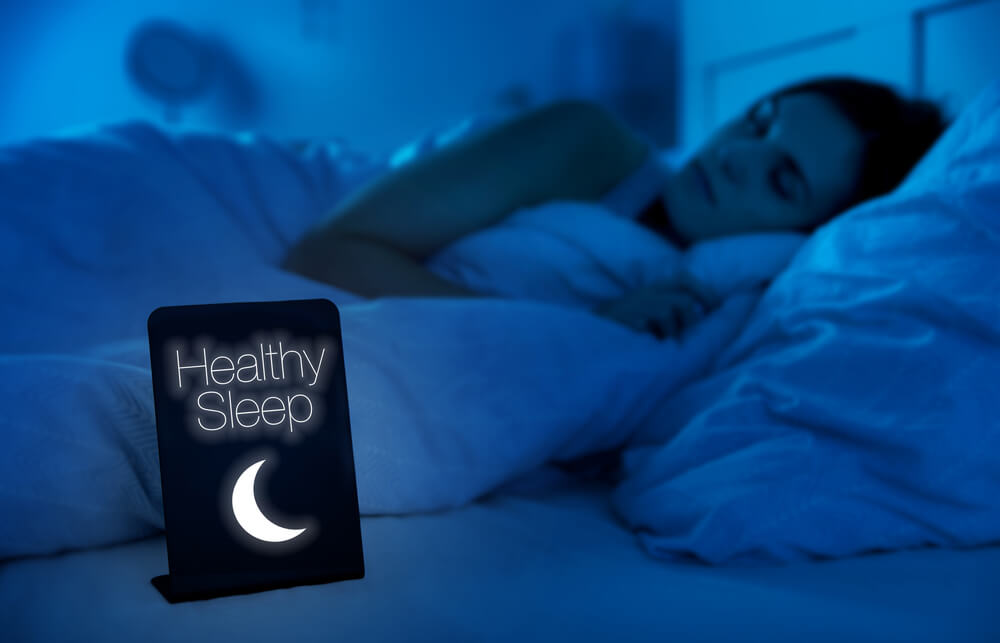
Having difficulty falling asleep, and it’s affecting your daily life? Seeing a professional for insomnia treatment can assist you go back to normal sleep habits!
Our trained experts at Health & Psychiatry in Florida offer holistic assessment and individualized therapy plans for your sleeping issues. We offer all kinds of services, including online insomnia treatments, telepsychiatry, and psychiatric medication management options.
Book your appointment at our chronic insomnia sleep clinic and take your first step towards sound sleep!
FAQs
Is chronic insomnia a disability?
Chronic insomnia in itself is not considered a disability, but in severe cases can be considered one, as it can have a great limitation on the daily functioning and working capacity of the individual.
What is the duration of chronic insomnia?
Chronic insomnia is a complication in sleeping at least three times per week, over three months or more.
Is there another health issue that can be caused by chronic insomnia?
Yes. Chronic insomnia has been attributed to cardiovascular disease, metabolic illnesses and mental problems.
Is anxiety or depression associated with chronic insomnia?
Yes. Insomnia and mental disorders tend to co-occur with researchers showing that majority of the individuals with depression have indications of insomnia.