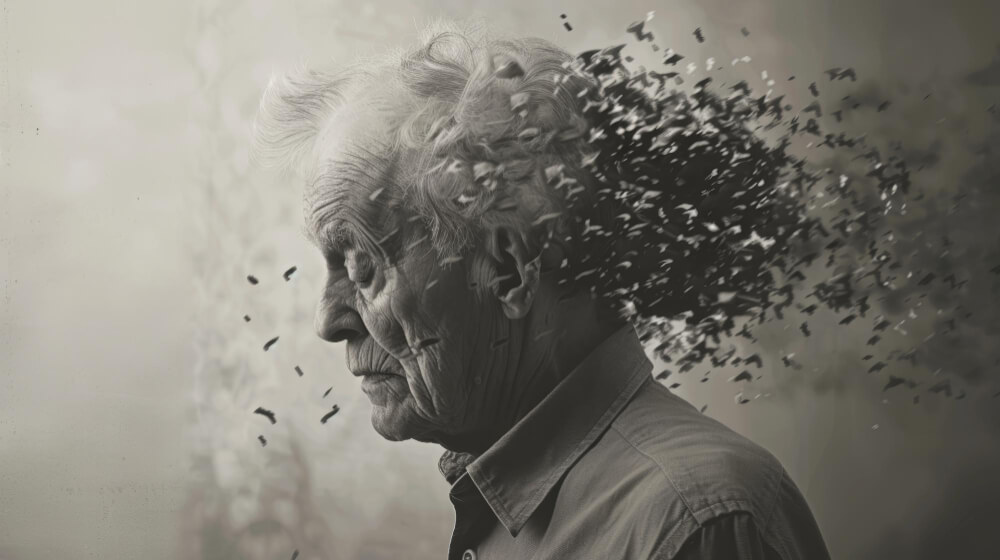
Dementia doesn’t always begin with obvious memory loss… and in men with dementia, the early signs are often overlooked. Signs and symptoms of dementia, such as changes in behavior, judgment, or mood, may be dismissed as stress, aging, or burnout, allowing symptoms to progress quietly over time.
Recognizing how dementia presents in men is essential. It helps in early detection, accurate diagnosis, and timely treatment.
Why?
Because dementia is serious!
Do you know that more than 6 million Americans are affected by dementia annually? Yes. It is responsible for 100,000+ deaths each year.
The World Health Organization (WHO) makes the claim that there are over 55 million individuals with dementia in the world today. This increasing world burden necessitates the need to appreciate dementia in every population, as well as among men.
By understanding the warning signs, causes, and available care options, men and their families can take meaningful steps toward protecting brain health and accessing compassionate, evidence-based dementia care in Florida.
What Is Dementia?
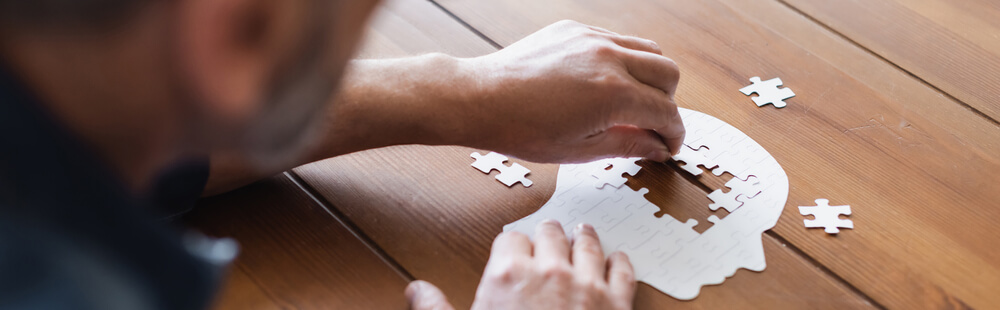
Dementia is not a disease but simply a term used to describe a category of illness that leads to deterioration of cognitive ability. The changes disrupt the memory, thinking, communication, judgment, and the ability to carry out routine activities.
There are common forms of dementia. They are:
- Alzheimer's disease
- Vascular dementia
- Lewy body dementia
- Frontotemporal dementia
- Mixed dementia
They all have a single similarity, which is the continuous destruction of brain cells, which gets progressively worse as time passes.
Why Dementia Looks Different in Men?
Dementia often presents differently in men.
Why? Due to a combination of biological, psychological, and social factors. Instead of early memory loss, men may initially experience changes in behavior, judgment, or emotional regulation.
These shifts can include increased irritability, impulsivity, apathy, or difficulty managing work and daily responsibilities. Symptoms that are frequently misattributed to stress, depression, or aging.
Hormonal differences play their role. Particularly declining testosterone levels! They may influence brain function and emotional control. Although dementia affects women more than men. But men also have higher rates of cardiovascular conditions such as hypertension, diabetes, and heart disease, which are known risk factors for certain types of dementia, including vascular dementia.
Additionally, men are less likely to seek medical help early. Allowing symptoms of dementia to progress unnoticed.
Social and cultural expectations can further mask early warning signs of dementia and memory loss in men.
Men may be conditioned to minimize cognitive or emotional difficulties. Thus, delaying evaluation and diagnosis.
Recognizing these differences is essential for early intervention, accurate diagnosis, and improved outcomes through timely, personalized long-term dementia management and care.
Early Signs of Dementia in Men
Early dementia symptoms in men are:
- Losing things very often.
- Having problems with recollections of recent conversations.
- Difficulty with instructions.
- Difficulty in thinking or solving problems.
- Losing sight of the known locales.
- Higher levels of irritability or anger.
- Social withdrawal.
- Loss of interest in hobbies.
- Irrational decision or deviant conduct.
- Anxiety.
- Depression.
- Mood swings.
- Apathy or lack of motivation.
- Functional Difficulties.
- Trouble managing finances.
- Having a problem with technology.
- Issues at the workplace or in the home.
- Decline in personal hygiene.
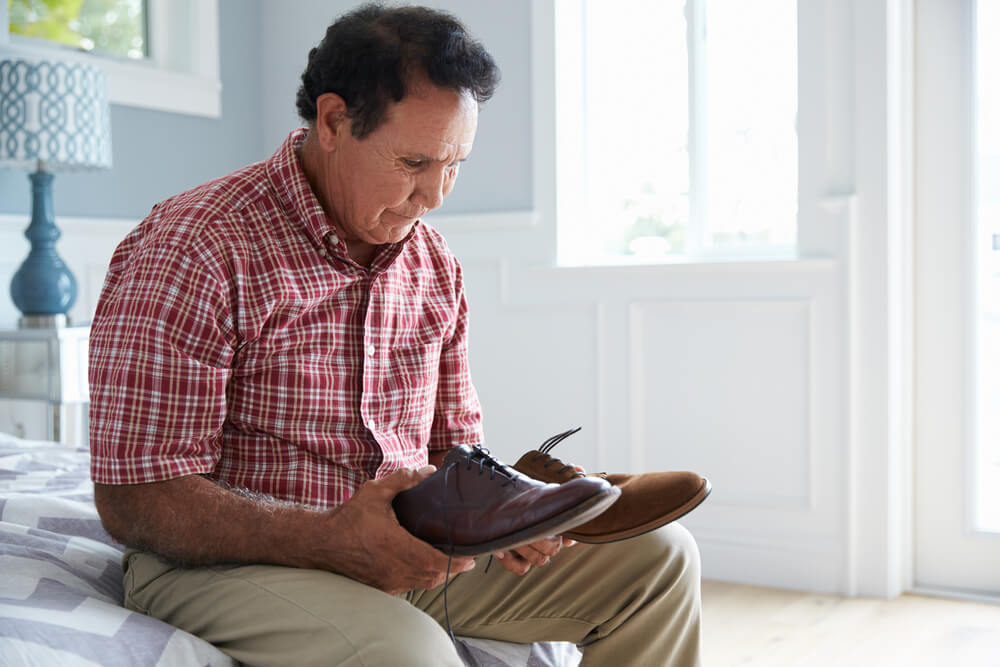
→ Cognitive and Memory Changes
Men with dementia may experience difficulty concentrating, slower thinking, or trouble planning and making decisions. Forgetfulness may appear. You may notice it as repeatedly misplacing items, missing appointments, or struggling to follow conversations.
It is unlike typical aging. These early signs of dementia in men begin to interfere with work performance or everyday responsibilities.
→ Behavioral and Personality Changes
Noticeable shifts in behavior are common early dementia symptoms in men. They may become more irritable, impulsive, or socially withdrawn.
Some show poor judgment. There is also increased risk-taking with a loss of interest in activities they once enjoyed.
These changes are often mistaken for stress, burnout, or midlife changes in men with dementia.
→ Emotional and Psychological Symptoms
Early dementia badly affects emotional regulation.
Men with dementia may experience unexplained mood swings, anxiety, depression, or emotional flatness.
Frustration and anger may appear more frequently. It happens especially when faced with tasks that were once easy. These symptoms can be misdiagnosed as primary mental health conditions.
→ Functional Difficulties
Due to cognitive decline, everyday tasks may start to feel overwhelming. Men with dementia may struggle with managing finances, handling medications, driving familiar routes, or maintaining work efficiency.
Difficulty organizing, multitasking, or following routines often signals memory loss beyond normal aging.
→ When these changes continue to occur or increase with time, then these should be evaluated professionally.
Common Causes of Dementia in Men
Dementia may be caused by several conditions, and the most common cause of dementia in men is Alzheimer's disease.
The rest of the causes may include, but are not limited to:
- Vascular disease - a decreased blood supply to the brain as a result of strokes or damage to small vessels.
- Lewy body dementia and Parkinson's disease.
- Frontotemporal degeneration - behavior and language are frequently the first to be affected.
- Traumatic brain injuries - recurrent trauma of the head can be dangerous.
It can also be brought about by lifestyle and medical conditions like diabetes, hypertension, and high cholesterol. One of the key factors and early signs of dementia in men in middle age is cardiovascular health.
Research indicates that individuals who develop dementia in old age have much higher chances of developing the disease in midlife than individuals with normal blood pressure.
Risk Factors for Dementia in Men
The risk factors that lead to dementia in men can be classified into factors that cannot be altered and those that can be altered. Some of the non-modifiable factors are increasing age, family history, and genetic predisposition, which predispose the vulnerability over time.
Nonetheless, there are numerous risk factors and signs of dementia in men that are lifestyle-related and health-related in general. Higher risk of dementia has been attributed to smoking, alcoholism, a bad diet, lack of exercise, obesity, sleep disorders, and untreated depression.
Since these are the factors and physical signs of dementia in men that can be controlled by an individual to some extent, they can be mitigated using better health practices and appropriate medical treatment to reduce the chances of getting dementia by a significant margin.
Risk factors include:
- Advancing age, especially after 65
- Family history and genetics; linked to Alzheimer’s or other dementias.
- Cardiovascular conditions such as heart disease, high blood pressure, and stroke.
- Diabetes and metabolic disorders, affecting blood flow to the brain.
- Low testosterone levels and age-related hormonal changes.
- Smoking and excessive alcohol use.
- Poor diet and lack of physical activity.
- Chronic stress and sleep disorders.
- Traumatic brain injuries, including sports- or work-related head trauma.
- Untreated depression or anxiety.
- Social isolation and reduced cognitive engagement.
Diagnostic Evaluation of Dementia in Men
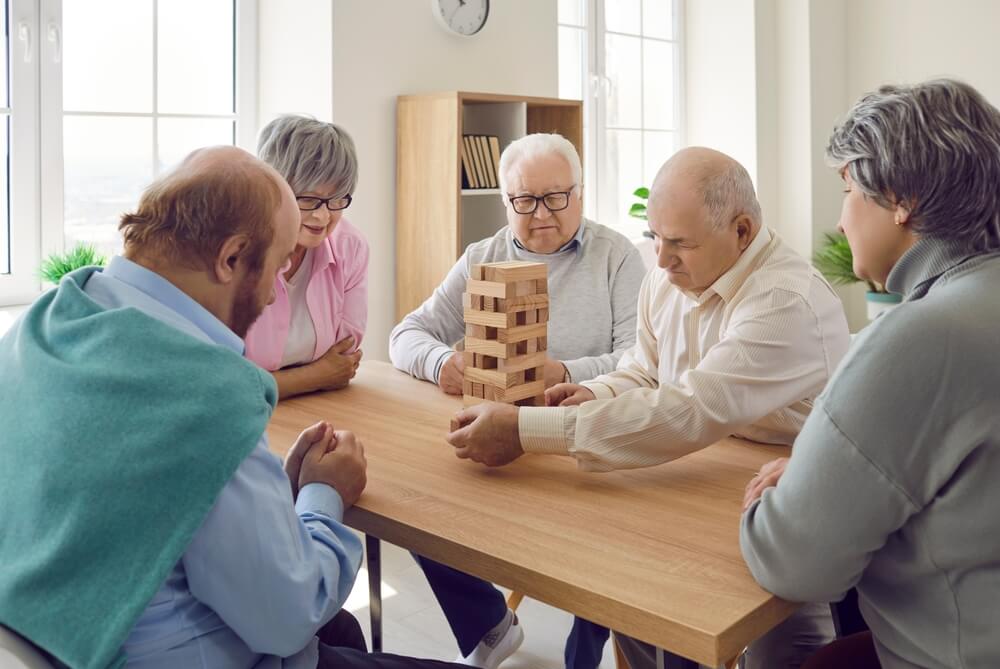
Dementia diagnosis in men should be carried out through a thorough and systematic approach. The clinicians start with an initial psychiatric evaluation. Examining their medical and family history in detail, with an aim of identifying risks or underlying conditions.
The cognitive screening tests are used to determine memory, attention, language, and problem-solving skills, whereas the neurological examinations are applied to identify the reflexes, coordination, and sensory capabilities.
Blood tests can be requested to exclude reversible factors like a deficiency of vitamins or thyroid disease. MRI or CT scans or brain imaging enable a physician to identify a structural alteration, stroke, or an unusual pattern in the brain that is likely to be related to a particular form of dementia.
It is also necessary to conduct a mental health assessment to differentiate dementia from depression or other mental disorders.
Early and proper diagnosis helps in managing the symptoms better, safety planning, and accessing the supportive services promptly.
Treatment Options for Dementia in Men
While there is no cure for dementia, a comprehensive treatment approach can slow symptom progression. It also improve quality of life, and supports both patients and caregivers.
Treatment plans are most effective when personalized and started early.

Treatment options include:
1. Cognitive Behavioral Therapy (CBT)
CBT is especially useful among male patients in the initial phases of dementia who develop anxiety, depression, or distress because of the diagnosis. CBT for men with dementia is aimed at highlighting any unhelpful ways of thinking and finding the way to cope with them, enhancing the ability to manage and adapt emotions.
2. Cognitive Stimulation Therapy (CST)
CST is an organized group or individual activity that is aimed at enhancing memory, attention, and problem-solving. Studies indicate that this dementia treatment is capable of producing small yet significant cognitive performance and social interaction.
3. Reminiscence Therapy
This treatment for dementia involves leading people to talk about past experiences, photos, music, and well-known items, which stimulates memory and improves emotional states. This method will help to eliminate agitations and foster a sense of identity.
4. Occupational Therapy
This dementia treatment therapy assists people to cope with daily living, enhance their safety levels in the home, and, as long as possible, be independent. Assistive devices and task simplification have to be suggested to therapists.
5. Speech and Language Therapy
The treatment for dementia also treats communication and swallowing difficulties that may arise at an advanced stage of men with dementia, to assist with more articulate speech and safer food consumption.
6. Medications
There are a number of prescription drugs at dementia treatment centers that have been employed in aiding memory, thinking, and communication.
Specific drugs like antidepressants, anti-anxiety, or sleeping medication can be prescribed when symptoms have a major impact on everyday life.
7. Lifestyle and Supportive Interventions
The existing healthy lifestyle guidelines are significant and one of the best treatments for dementia in maintaining brain function. Patients with dementia can try eating healthy, increasing their physical activities, and generally staying active to manage the disease.
Best Treatment and Dementia Care in Tampa, FL for Men with Dementia!
If you or your loved ones are suffering from this ailment, getting help with the best treatment for dementia is essential. At Health & Psychiatry, we offer telepsychiatry services in Florida for dementia tests online and also, on-site therapy for dementia for your well-being.
Book your free consultation today for dementia care in Florida with us and get the help you deserve!
FAQs
What are the earliest signs of dementia in men?
Early signs often include memory lapses, personality changes, poor judgment, difficulty completing tasks, and mood changes.
Which is more common: dementia in women vs men?
Women have a higher overall prevalence, largely due to longer life expectancy, but men are more likely to develop certain types, such as vascular dementia and frontotemporal dementia.
At what age can dementia start in men?
While risk increases after age 65, early-onset dementia can occur in men in their 40s or 50s.
Can dementia in men be prevented?
Not entirely, but lifestyle changes such as regular exercise, a healthy diet, blood pressure control, and avoiding smoking can reduce risk.
Which treatments are most effective for dementia in men?
A combination of medication, therapy, and lifestyle modification provides the best outcomes.