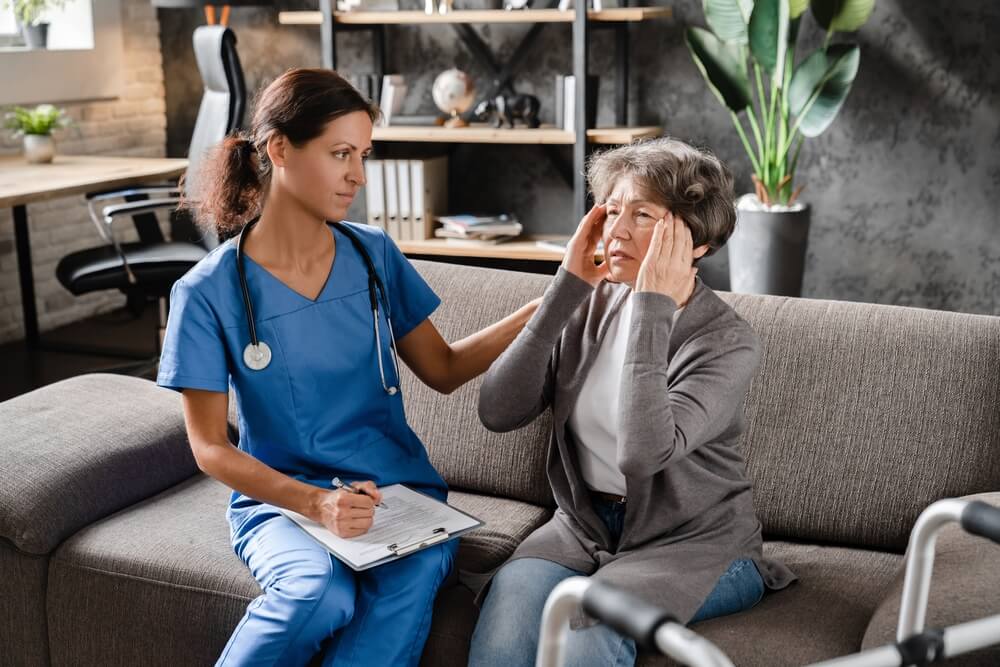
Dementia is an ongoing disorder that impairs memory, thinking, behaviour, and the ability of someone to carry out daily tasks. Although it is typically associated with old age, dementia is not a healthy aging facet.
The World Health Organization estimates that there are over 57 million people living with dementia in the world, and an annual average of 10 million cases of the disease are being diagnosed.
Although presently, most types of dementia have no cure, there are numerous types of diverse dementia treatments and options for dementia care that are available and can be implemented to control the symptoms and slow down the disease.
Goals of Dementia Treatment!

The primary objective of dementia treatment is not to cure but to manage the symptoms and remain self-sufficient as long as possible.
→ Delaying the disease. The early-stage dementia treatment options are hypothesized to slow down the rate at which the individual acquires cognitive symptoms such as memory loss, confusion, and impaired judgment.
→ Treating behavioral and psychological symptoms. It may be applied to treat behavioral and psychological symptoms, like anxiety, depression, and agitation, or sleeping problems.
→ Maintain normal functioning. The individuals can be helped through supportive care and therapies to be safe and confident in daily routine activities.
→ Improved quality of life. Last but not least is the treatment of dementia, which is directed to increase the quality of life of the patient and the people who take care of the patient.
An early diagnosis and intervention can be a difference maker. Research shows that preventable risk factors of dementia are up to 45 percent of all cases. These risk factors of dementia include cardiovascular health, inactive lifestyles, and an unhealthy diet.
Medications for Dementia

Dementia symptoms are normally treated with medications. Although dementia medication cannot reverse the disease, such drugs benefit some people by enhancing their mental performance or reducing the rate of progression of the symptoms.
Dementia medications include:
→ Cholinesterase Inhibitors
Cholinesterase inhibitors are widely used in the treatment of Alzheimer's disease and a certain type of dementia. These drugs raise the levels of acetylcholine, which is a chemical messenger in memory and learning.
These drugs may improve memory, thinking, and day-to-day performance of a small percentage of patients, particularly during the onset or the intermediate stage of dementia.
→ NMDA Receptor Antagonists
The other form of medication commonly used is called memantine, and it is an antagonist of the NMDA receptors. It works by countering the activity of glutamate in the brain, which is a chemical that is involved in learning and memory.
Memantine is normally applied in moderate to severe dementia and may be applied to improve thinking, concentration, and physical activities.
→ Drugs for Behavioral and Emotional Symptoms
Being agitated, depressed, anxious, or even having hallucinations can be considered psychological and behavioral changes.
The dementia care specialists in such cases may prescribe additional medicine as:
- Antidepressants (e.g., sertraline, citalopram)
- Anti-anxiety medications
- Antipsychotic drugs
- Sleep medication for insomnia
These drugs are normally administered carefully as older individuals are more prone to adverse effects.
Cognitive and Behavioral Therapies for Dementia Care

The alternative treatments for dementia are essential in the management of dementia. Some of the objectives of these dementia therapies are to improve cognitive functions, daily functioning, and maintenance of independence.
→ Cognitive Stimulation Therapy
The organized group therapy is cognitive stimulation therapy (CST), which focuses on stimulating cognition, memory, and problem-solving.
Studies have revealed that dementia cognitive therapies can help in improving the cognitive performance of people with mild to moderate dementia, including socialization.
→ Occupational Therapy
Dementia occupational therapy is the ability to help individuals to go on with their daily tasks, including dressing, preparing food, and taking care of themselves.
The therapists may prescribe home modification, adaptive devices, or simplification of tasks.
→ Cognitive Rehabilitation
Cognitive Rehabilitation is an individual therapy that assists individuals in working on certain mental problems. Therapists can also assist the patients in devising measures that will allow them to counter the lapse of memory.
Moreover, such dementia care assists in reminding and remembering (with the help of some reminders, a calendar, or computer applications).
Supportive Therapies for Emotional Well-Being
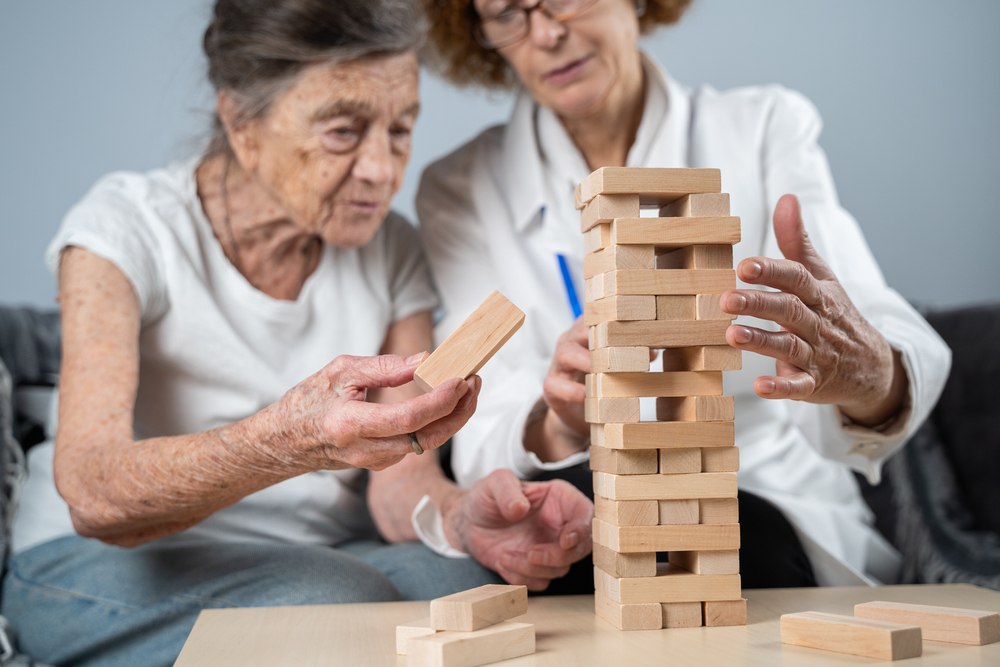
Emotional health should be provided to people with dementia as much as cognitive health. The supportive care options that are available to dementia patients can eliminate the stress, uplift their mood, and encourage social interactions.
→ Music Therapy
The music therapy is carried out with the use of the known songs, rhythms, and musical activities to evoke memories and feelings.
As it has been reported, music therapy can reduce agitation and enhance the mood of dementia patients.
→ Art Therapy
In the case of art therapy, people express themselves through drawings, painting, or craft. These fantasies can boost emotional expression, anxiety, and relaxation.
→ Animal-Assisted Therapy (Pet Therapy)
Pet therapy is the monitored playing with trained animals like dogs or cats. These interactions could help to alleviate loneliness, decrease the level of stress levels, and promote emotional bonding.
Memory-Support Therapies for Dementia
There are special therapies that are aimed at enabling people to preserve their identity and attachment to their past under dementia management.
→ Reminiscence Therapy
Reminiscence therapy helps individuals to discuss past experiences through the use of photographs, music, or personal objects. This method assists to activate long term memories and, in most cases, enhances mood and self-confidence.
→ Reality Orientation
Reality orientation methods involve the use of reminders regarding time, place and identity to ensure that people are oriented. This can be through the use of calendars, clocks, marked rooms, or regular oral reminders by the caregivers.
Lifestyle and Home-Based Care

The daily living practices and domestic support can largely affect the well-being of individuals with dementia. It includes:
→ Physical Activity
Physical activity keeps the body active, healthy for the heart and the brain. Exercise should be walking, stretching, or light strength training.
→ Balanced Nutrition
Healthy diets are often recommended, and they include fruits, vegetables, whole grains, healthy fats, and lean proteins. In addition, the Mediterranean-style diets have been associated with low chances of brain degeneration.
→ Structured Daily Routine
Confusion and anxiety can also be minimized with the help of routine.
Dementia patients are also subjected to orderliness in their meal, activity, and sleep schedules, which brings comfort and stability.
Complementary and Alternative Therapies for Dementia

Alternatively, in case you are seeking natural treatment options for dementia or any alternative forms of remedies besides standard forms of treatment, complementary and alternative treatments of dementia can also be used.
These may include:
- Aromatherapy
- Meditation and mindfulness
- Massage therapy
- Acupuncture
Despite the fact that research regarding these treatments has been conducted at early stages, their participants have reported them as useful in relaxation and stress reduction.
Emotional Support and Coping Strategies

Not only is the individual affected, but his family and caregivers are affected as well because of dementia. The emotional support plays a crucial role in dealing with the problems of the condition.
Good guidance and isolation reduction through the support groups, counseling and caregiver education programs may be provided. It is also significant that the caregivers must pay attention to their health and obtain help, take breaks, and interact with others.
Preparing for Your Medical Appointment!
If you or your loved ones are noticing the symptoms of dementia, book an appointment with your caregiver right away.
Here’s how you can prepare for your medical appointment.
Track Symptoms. Write down the changes in your memory or behavior that you have noticed, along with timecodes. This will assist the doctor in knowing the progress of the symptoms.
List Down the Current Medications. Carry a full list of prescription medications, supplements, and vitamins. Certain drugs may have an impact on memory or may interfere with dementia medication. You need to discuss it with your memory care treatment provider or dementia care specialist.
Disclose Family Medical History. If there is a history of dementia or neurological conditions within the family, tell the doctor. Sometimes, family history can assist in making decisions concerning diagnosis and treatment.
Record Daily Functions Change. Record any problems with day-to-day activities like cooking, money management or times forgetting events.
The information helps physicians in determining the intensity of symptoms.
Bring a Trusted Companion. The family member or a caregiver can make some additional observations in your dementia management regarding behavioral or cognitive changes.
They may also be used to memorize the important details that have been discussed during the visits for memory care treatment.
What to Expect from Your Psychiatrist?

1. Cognitive Assessments
Some of the tests that the doctor carries out for initiating treatment for dementia include measuring the memory, reasoning, attention, and language aspects.
These exams are used in the assessment of the extent of cognitive loss.
2. Physical and Neurological Examinations
Reflexes, coordination, balance, and sensory response are the things that are checked by your psychiatrist before going for dementia therapies.
This can eliminate other neurological conditions, which can lead to similar symptoms.
3. Brain Imaging Tests
To identify structural changes in the brain, imaging scans (e.g., MRI or CT) can be suggested. The scans are useful in determining the cause of dementia, such as strokes, tumours, or changes associated with Alzheimer's.
4. Laboratory Testing
To exclude other conditions that can confound the symptoms of dementia, blood tests can be requested to exclude the possible presence of vitamin deficiencies or thyroid issues.
5. Individualized Treatment Planning
Once the assessment is made, the dementia specialist will come up with a plan and care options for dementia patients. That will be designed according to the needs of the patient.
This can be drugs, treatment, online therapy for dementia, lifestyle, and support of the caregiver.
Get Expert Dementia Treatment in Florida!

Living with dementia can be challenging… but the right medical guidance and support can make a significant difference.
Early diagnosis, proper treatment, medication management, and personalized care plans help manage symptoms and improve quality of life for both patients and their families.
At Health & Psychiatry, our experienced mental health specialists provide comprehensive dementia treatment in Florida, including online therapies, telepsychiatry, medical evaluation, medication management, cognitive therapies, and supportive care strategies unique to each patient’s needs.
If you or a loved one is experiencing memory problems, confusion, or behavioral changes, don’t wait to seek professional help…
Schedule a consultation with Health & Psychiatry today and receive compassionate, expert care for dementia.
FAQs
Is medication helpful in the treatment of dementia?
Cognitive symptoms or slowing the progression of some types of dementia can be improved with some medications, especially during the initial stages. Nonetheless, they do not give the same results to all.
Can medications cure dementia?
No. At the present, most types of dementia are incurable. Drugs are mainly used to treat symptoms and enhance day-to-day operations.
Is early treatment important for dementia?
Yes. Providing treatments and support services to the patient earlier can help enhance their quality of life and postpone the onset of symptoms, which is achievable through early diagnosis.
Can therapy help people with dementia?
Yes, therapies like cognitive, memory support, and emotional support can help people with dementia.