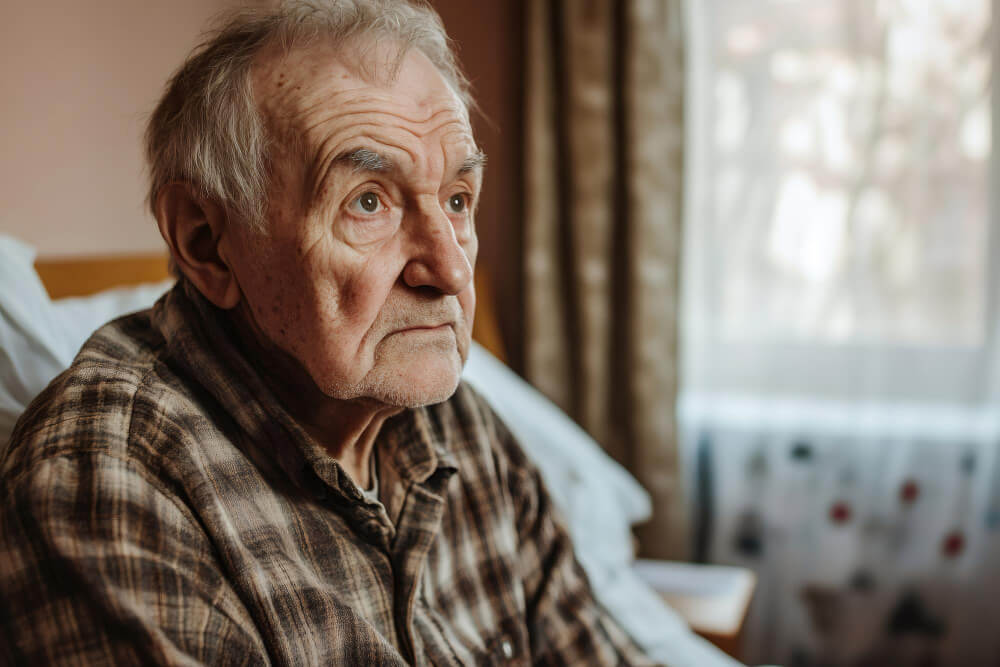
A lot of individuals tend to believe that depressive mood, being withdrawn, or feeling tired is an age-old phenomenon, but clinical studies have proved them wrong. Depression is a health condition, which may be as serious with older adults as it is among younger people- in some cases, more so because of the combination of physical health conditions.
According to depression in older people statistics from the World Health Organization (WHO), an estimated 14 percent of individuals aged 60 and older have some form of senior mental health disorder & depression is one of them.
What Is Depression in Older Adults?
 Depression in older adults can be termed as a low mood or a lack of interest in normal functioning in daily life. It clinically overlaps with major depressive disorder, with the expression of the disorder being more likely to include more physical and cognitive than emotional symptoms.
Depression in older people involves sleep, appetite, concentration & motivation, unlike temporary grief or sadness. It frequently presents with chronic diseases like heart disease or diabetes in the older population, making their diagnoses more difficult.
How Common Is Depression in Older People?
It is estimated globally that 4-7 percent of older adults are depressed, but this percentage is much higher in clinical settings.
The numbers may go up to 20% in primary care, where older adults tend to request assistance when they are complaining of physical ailments. Depression and older adults are more dominant in the long-term care facilities, where isolation, disability, and deprivation of independence are other factors that lead to emotional distress.
Studies indicate that in such settings, one-third of the people living in them can develop symptoms of aging and depression. However, a considerable number of cases remain untreated, both due to stigma as well as due to ignorance of symptoms.
Causes of Depression in Older Adults
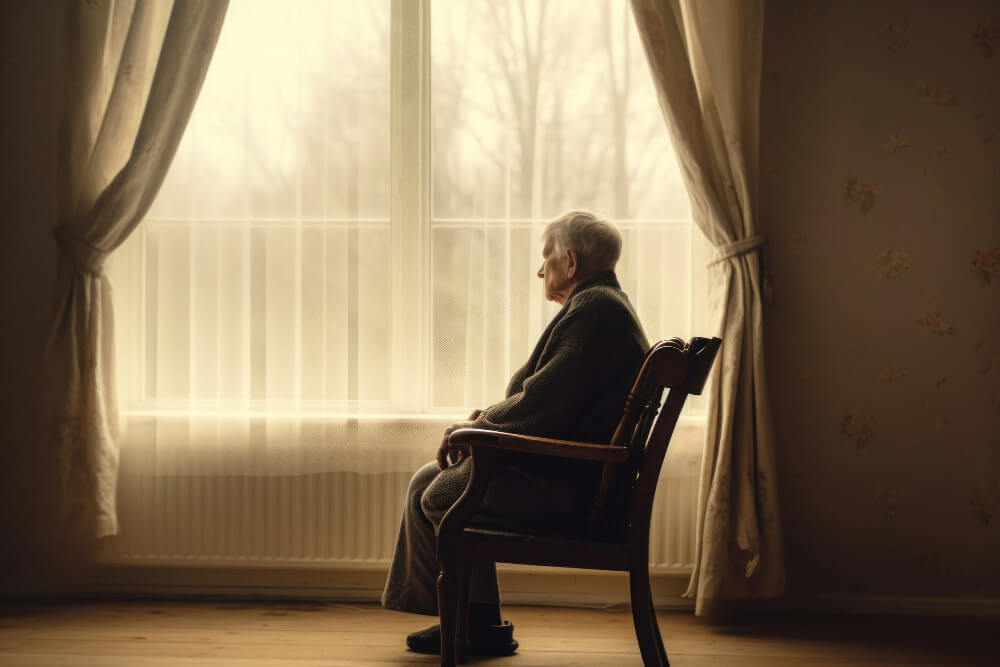
The following can be the possible causes of depression in older adults:
→ Biological Factors
Biological changes due to aging may make a huge difference in mental health, specifically with depression in people. The depressive symptoms are closely linked to the imbalance of neurotransmitters, in particular, the neurotransmitters connected with serotonin and dopamine.
Moreover, such chronic diseases as cardiovascular disease, stroke, and Parkinson's disease are identified to raise the risk of developing depression.
It can also be caused by medications used in treating depression in older adults.
→ Psychological Factors
Emotional transitions are likely to be significant in later life. An example of this is that retirement may result in the lack of structure and sense of identity, whereas bereavement may result in long-term grief that advances to depression.
Such experiences can cause feelings of meaninglessness or emptiness.
Psychological patterns that have been long-standing are also important. Those who have had difficulties with coping strategies, unresolved trauma, or have been depressed before are at risk of developing the condition in older adulthood.
→ Social Factors
Social isolation is one of the most powerful factors that lead to depression in older adults. The lack of mobility, hearing, or sight, loss of friends or partners can limit social interaction.
This solitude can lead to loneliness and devastation of emotions in the future. The lack of access to healthcare and economic problems worsen the problem.
Signs and Symptoms of Depression in Older Adults
|
Emotional Symptoms of Depression |
Physical Symptoms of Depression |
Cognitive Symptoms of Depression |
|
|
|
→ Emotional Symptoms
Older adults do not necessarily exhibit depression as apparent sadness. Instead, the symptoms of depression in older adults could manifest themselves in irritability, restlessness, or as an overall feeling of dissatisfaction.
A lot of people lose interest in doing something that they used to enjoy, such as hobbies or even socializing. Sensations of despair and emotional numbness can also be developed, but not always expressed.
→ Physical Symptoms
Emotional complaints are not as pronounced as physical complaints when it comes to physical signs of depression in older adults. Chronic fatigue, unexplained pains, and appetite alterations are usual.
Sleep disorders, either insomnia or sleepiness, may also deteriorate general health. Since these symptoms are similar to most medical conditions, they are often neglected as depression symptoms.
→ Cognitive Symptoms
Mental transformation can be quite worrying. Depressed older adults might have trouble with focus, decision-making or recalling.
All these signs of depression in older people may be similar to the initial signs of dementia, confusion, and sometimes misdiagnosis. But, in contrast to dementia, such cognitive problems can be reversed in the case of proper mental health treatment for seniors.
Dementia vs. Depression in Older Adults
It is important to differentiate between older adults and depression and dementia. Both conditions can be characterized by memory problems and decreased cognitive performance. But the pattern of these conditions is different.
- Depression tends to progress faster, and people are usually conscious of their cognitive impairments. As a result, it may lead to distress. Dementia, on the other hand, advances at a slow pace & victims might not be aware of their disability.
- A second important distinction is in reversibility: cognitive symptoms of depression usually get better as they are treated, but dementia typically progresses.
Treatment Options for Depression in Older Adults
These are treatment options for depression in older adults, mostly followed by therapists in adult psychiatric care:
→ Therapy and Counseling
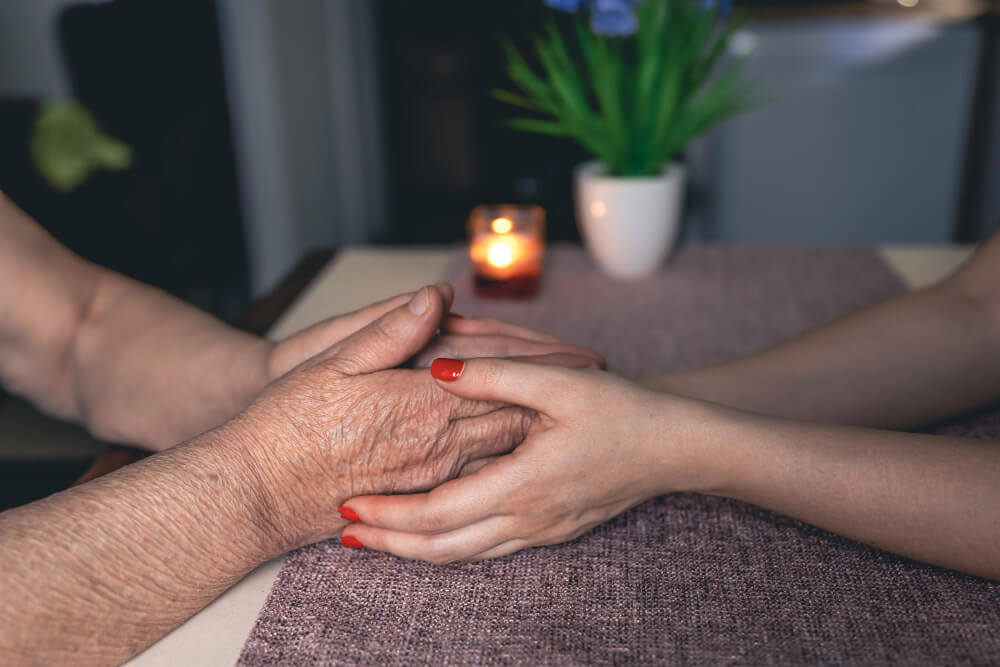 Therapy treatment of depression in older people is more than just a cure for negative thinking. It can frequently be associated with assisting people in interpreting the years of life experience, grief, regrets, identity changes due to retirement, or altered family roles.
Therapies such as Cognitive Behavioral Therapy (CBT) are effective, but most clinicians are adding life review therapy, where individuals retell their life story, reprocess traumatic memories, and derive meaning in their lives.
Research cited by the American Psychological Association indicates that a mix of talk therapies can be quite effective in minimizing depressive symptoms and enhancing life satisfaction.
Another practical barrier that should be considered is the fact that older adults are less likely to pursue therapy for older adults with depression because of its stigma or because they are not familiar with it.
Engagement is likely to increase when therapy is presented as a form of support or guided discussion, as opposed to a form of mental health treatment.
→ Medications for Depression
Antidepressants may also help, especially when the elderly person's mental illness is acute and chronic. The older adults are, however, seldom treated as easily as giving a regular dose.
There is a change in the way in which aging bodies take medication. The metabolism of the liver is reduced, and it becomes more sensitive to side effects, and the problem of polypharmacy (the use of many medications) is of serious concern.
As an example, some antidepressants may increase the risk of falls or interact with heart drugs. Due to this, clinicians tend to use the start low, go slow principle, whereby they start the dosages at low levels and increase them gradually.
Though medication may be effective, its effectiveness is much higher when it is accompanied by non-pharmacological support as opposed to administering it alone.
→ Lifestyle Changes
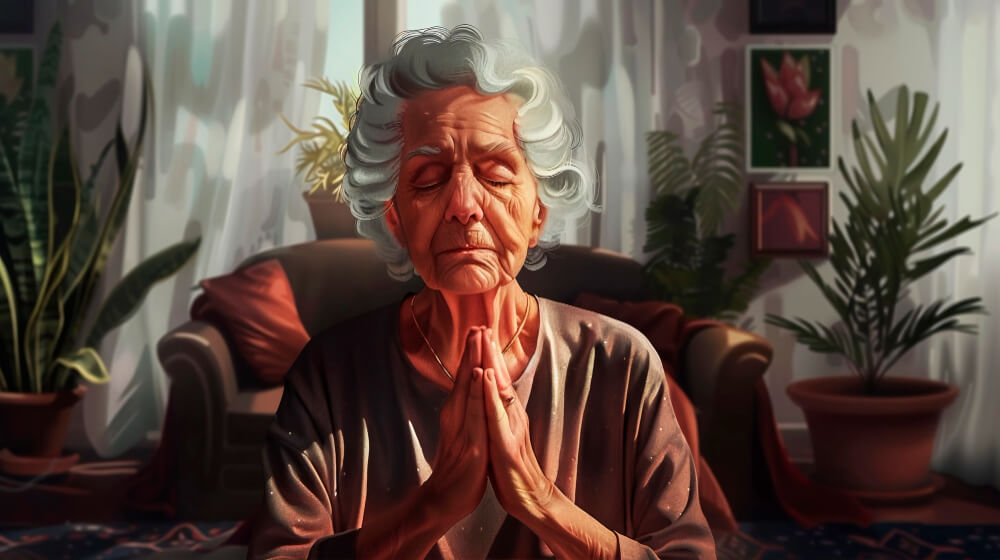
Lifestyle guidance can be quite generic, such as exercise more, eat better; however, in older adults, the issue is not knowledge but the possibility of doing it.
Low-friction habits are more effective to concentrate on. Even a 10-minute daily walk, sitting in the sun part of the day or a simple morning routine can be measured to impact mood.
Research has demonstrated that light exercise can alleviate depressive symptoms by improving sleep quality and circadian rhythms.
The diet also contributes, especially the diets rich in the omega-3 fatty acids, whole grains, and vegetables. But, once again, it should be focused on realistic changes, those alterations that can be maintained, rather than those that appear great on paper.
→ Support Systems
Connection is one of the factors that always contributes to recovery. It is not the huge social circles but the substantial, frequent communication.
Older adults do not necessarily experience loneliness in being alone, but rather feel unnoticed or unwanted. Passive socialization is less likely to be effective compared to interventions that generate a sense of usefulness.
As an example, community projects in which older adults mentor youth or are useful in other ways tend to have more positive results than mere group activities.
Family support is noteworthy, too, but the quality of the interaction is the most significant. Regular and frequent communication, such as a weekly phone call or a routine, is anticipated to be more effective than the check-in period.
Preventive Strategies Related to Aging & depression

The old population is prevented from depression by maintaining physical and social well-being to prevent depression.
→ Early indicators of emotional distress can be recognized by means of regular health check-ups, and isolation can be avoided by being socially active.
→ The elderly psychiatric care includes encouragement of hobbies, bodily movement, and lifelong learning, which can also be used to accomplish the purpose and engagement.
Risk Factors for Depression in Older Adults
There are some causes that increase the prevalence of depression in older people.
Chronic disease, chronic pain, and functional impairment are some of the most crucial factors. Emotions such as the death of a spouse or a close friend also play an important role.
In addition, financial strain, limited access to healthcare services, and a prior history of mental health disorders further elevate the risk. In particular, although less common, conditions such as Schizoaffective disorder depressive type, which combines psychotic symptoms with major depressive episodes, significantly increase the likelihood of recurrent and severe depression.
These risk factors may begin earlier in life and persist into old age. Making early identification essential. Recognizing these risks at a younger stage allows for timely and more effective interventions, ultimately reducing the burden of depression in later years.
Depression Long-term Effects When Left Untreated!
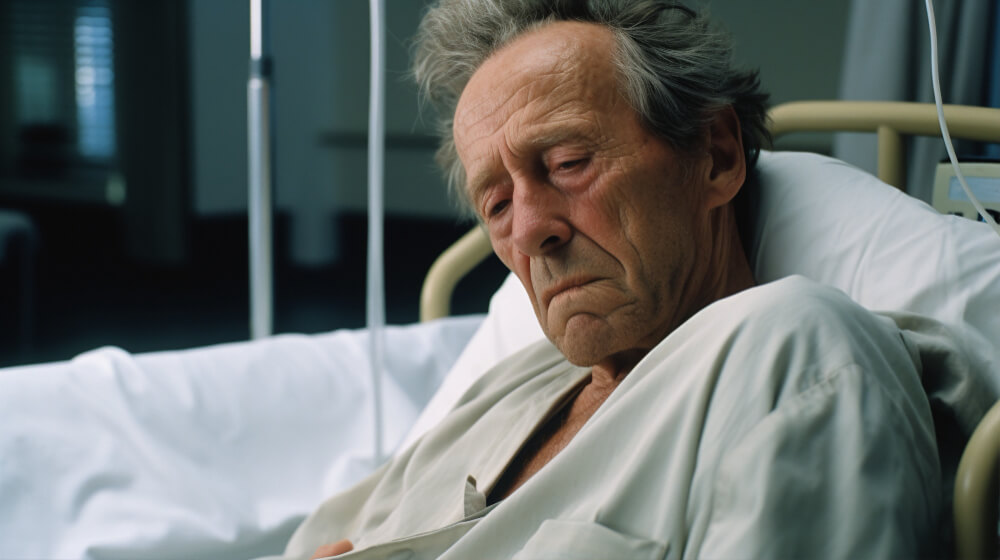
Unattended depression may lead to severe and far-reaching effects. It can worsen underlying medical conditions, reduce adherence to treatment regimens, and boost the chances of hospitalization. It can also cause mental issues and a poor quality of life in the long-run.
Untreated depression is also strongly associated with the development or worsening of several chronic diseases. It can increase the risk of:
- Cardiovascular disease, including hypertension and heart attacks.
- Type 2 diabetes due to poor lifestyle habits and stress-related hormonal changes.
- Chronic pain syndrome and musculoskeletal disorders.
- Dementia and accelerated cognitive decline in older adults.
- Substance use disorder, as individuals may turn to alcohol or drugs for coping.
- Anxiety disorders, which commonly coexist and worsen outcomes.
In addition, prolonged depression can lead to sleep disturbances, weakened immunity, poor nutrition, and increased frailty in elderly populations.
The most worrying things may be depression and suicide. The WHO cautions that adults aged 70 years and older are the most affected by suicide, and therefore the need to identify and treat it in its early stages.
Get the Best Help Available at Health & Psychiatry in Florida!
If any of your elders are showing symptoms of chronic depression, help is near at Health & Psychiatry in Florida.
With an exceptional team of certified professionals, we offer all kinds of treatments based on the patient’s needs.
We also provide telepsychiatry services and online depression therapy.
Contact us for more information.
FAQs
Is old age depression normal?
Depression is not a typical aspect of aging. Older adults might indeed experience more changes in their lives but chronic emotional distress is always a medical issue that has to be assessed and treated.
How can you help someone with depression in your family?
The families can be of great help in checking in often, discussing freely, and helping the older adults to seek professional help. Consistency and emotional presence can be a huge factor in recovery.
Do men or women have a higher likelihood of being depressed in old age?
The rates of depression are generally higher in women. But the male elder is more susceptible to suicide, usually because of the underreporting of the symptoms and unwillingness to seek help.