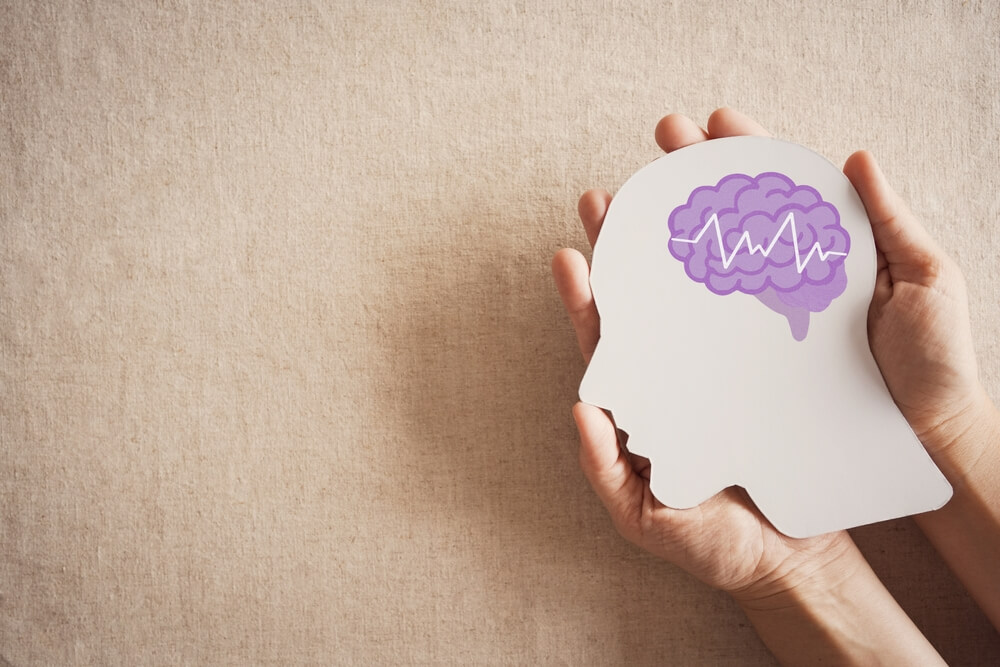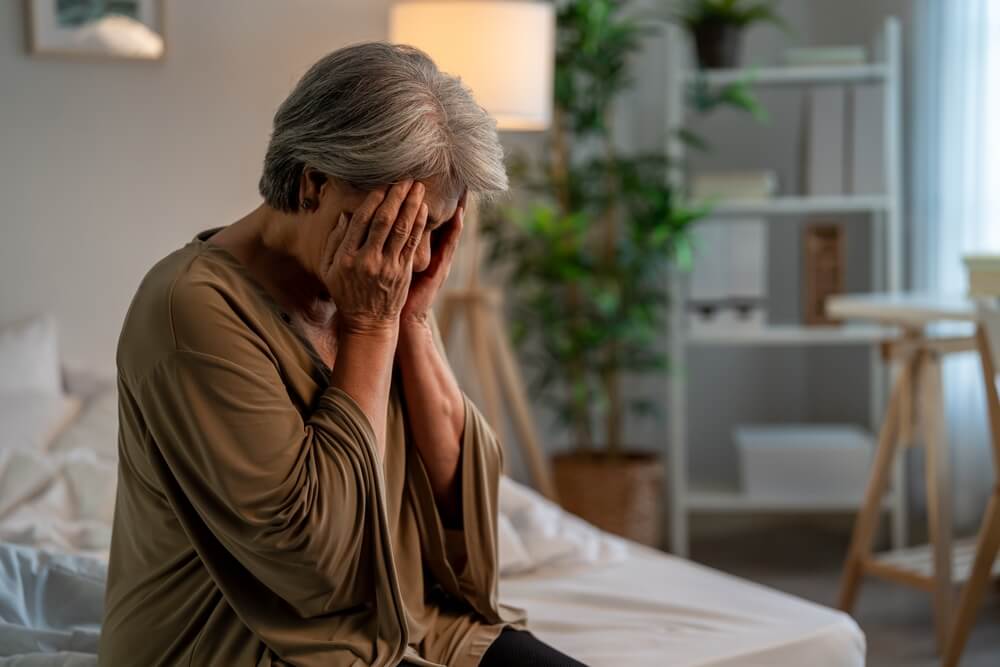
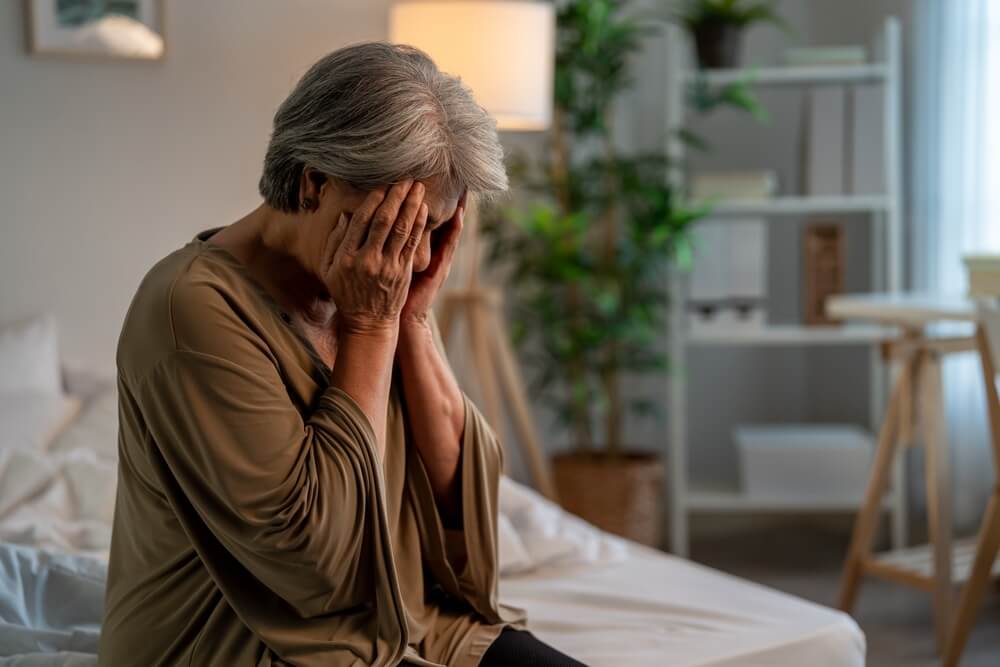
Margaret thought she was just tired. At 60, she dismissed her persistent sadness as "normal aging." She withdrew from the friend’s club and stopped cooking her famous Sunday dinners. Her family assumed she was slowing down naturally. But Margaret wasn’t just aging. She was experiencing depression in older females, one of the most overlooked mental health issues today. This isn’t about occasional sadness or grieving life’s changes. Depression is a serious medical condition. It affects millions of women later in life, yet it is treatable.
How Common Is Depression in Older Females?
Many people believe depression is simply part of aging. Well, it is not! . For women age 55+, the problem is especially concerning. Depression in older females is more common than many realize, and far too often it goes unrecognized. The numbers provide clear insight:
- The CDC reports that every 1 out of 5 baby boomers (those born between 1946 and 1964) has experienced a mental health concern, such as anxiety or depression.
- About 14% of adults over 60 live with a mental disorder, most often depression, as stated by the World Health Organization (WHO).
- According to the National Institutes of Health (NIH) report, depression in older women is more likely than in men across all age groups.
Many older women suffer quietly. Symptoms are dismissed as “normal aging,” or providers focus on physical health while mental health gets overlooked.
Why Older Women Face a Greater Risk of Depression?
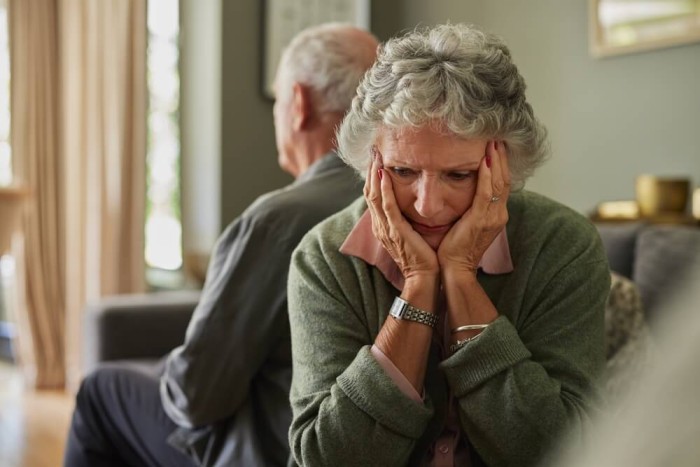
Depression does not appear out of nowhere. A number of issues interact and increase the probability of depression in later years, among women: → Hormonal changes: As a woman ages, the amount of female sex hormone estrogen decreases. In particular, menopause changes mood regulation and increases the risk of being depressed. → Neurochemical alterations: Aging influences the manufacture and equilibrium of the neurotransmitters that uphold emotional stability, which poses a danger of depression. → Side effects of medications: Side effects of Medications used to treat other diseases can cause symptoms of depressive disorder. → Chronic inflammation: The processes of inflammation that are age-related become more and more associated with mood disorders. → Sleep disruption: There is a sleep architecture of the body that is altered with age. Therefore, decreasing restorative rest affects mental health. → Functional impairment: Aging causes deterioration of mobility, hearing, or vision and leads to a decrease in independence; this can promote loneliness and provoke a depressive disorder. → Dilution of social networks: Friends and peers can become sick and die. It restricts social provision and may lead to loneliness and depression. → Disjointed healthcare: It is possible that several providers can treat physical illnesses and neglect mental health, which will be manifested in depression symptoms. These contribute towards enhanced risks of depression in older women. This is why it is necessary to detect this early and provide extensive psychiatric treatment.
Be Aware of the Signs of Depression in Females of an Older Age!
Depression is not always manifested in sadness. Well, in older women, it is frequently disguised. The common symptoms that you may note in an older depressed woman are: → Unexplained aches and pains → Perpetual tiredness or decreased energy → Difficulty sleeping or getting up early → Eating or weight changes → Difficulty focusing, or memory loss (occasionally confused with dementia) → No more interest in favorite activities → Anxiety, irritability, or restlessness → Loss of relatedness to family or friends. → Guilt, desperation, or a feeling of being a burden. → Thoughts of death or suicide
Why do these Common Symptoms of Depression in Older Females Get Missed?
The common symptoms of depression in older females are often misread, maybe because:
- Doctors and families assume it’s “just aging.”
- Appointments focus on physical health instead of mental health.
- Due to stigma, older women often avoid talking about emotions.
The Consequences of Untreated Depression in Older Females
Leaving depression in older female untreated can create serious ripple effects:
- Daily life suffers: Cooking, cleaning, and personal care of adults become difficult.
- Independence is lost: Women may need assisted living or nursing support in severe cases of depression.
- Chronic diseases worsen: Depression makes diabetes, heart disease, and arthritis harder to manage.
- Cognitive health declines: Depression speeds up memory loss and dementia risk.
- Suicide risk rises: Older adults use more lethal methods, making rescue less likely.
In short, depression doesn’t just affect mood; it threatens health, independence, and life itself. Moreover, as per the WHO, 10.6% of older adults experience total disability due to mental health, representing massive personal and societal costs. This isn't just about individual suffering; it's about human potential wasted and resources strained unnecessarily. The economic implications extend beyond healthcare expenses. When older women cannot participate fully in family and community life due to depression, entire support networks weaken. Grandchildren miss out on relationships with grandparents. Due to depression in older women, communities lose experienced volunteers and mentors.
The Good News: Depression in Older Women Is Treatable
Depression in older women is not a life sentence. Recovery is possible, with the right care and support. Treatment for depression works best when it combines safe medication management, proven therapy approaches, and lifestyle adjustments, all guided by expert psychiatric expertise.
Medication Management
For many older women, medication is a cornerstone of treatment. After evaluation, psychiatrists often recommend antidepressants. What makes the difference is Medication Management, i.e., how these medicines are prescribed and monitored! Because medication management in older adults can be complex, expert psychiatric care is essential. At Health and Psychiatry, our highly qualified psychiatrist, Dr Sajan Dinar, MD, provides the specialized oversight needed to choose the right medicine for depression in older women. We monitor interactions and ensure treatment remains safe and effective.
Therapy Options
Medication isn’t the only answer. Many women benefit from geriatric therapy and lifestyle support. It has helped them navigate life changes and strengthen coping skills. These therapies are effective even later in life. Many women find renewed confidence and purpose through them. These aren’t replacements for treatment but important tools to build resilience.
Advanced Treatments at Health & Psychiatry
For women whose depression is severe or does not improve with first-line care, expert psychiatrists may recommend advanced options such as Transcranial Magnetic Stimulation (TMS) or newer therapies offered in specialized settings. These approaches are safe and effective in older adults when supervised by trained expert professionals.
Take Action!
The tragedy of depression in older women is not how common it is. It’s how often it goes untreated despite being so responsive to care. When older women receive expert psychiatric attention, their quality of life can improve dramatically.
If You’re a Family Member:
- Observe changes in mood, sleep, or social engagement.
- Don’t dismiss signs as “just aging.”
- Encourage your loved one to see a mental health professional.
If You’re an Older Woman:
- Know that depression in older females is not a normal part of aging.
- Reach out for help if you notice symptoms.
- Stay connected with friends, family, or community groups.
- Practice self-care with exercise, nutrition, and hobbies.
Why Psychiatric Help Matters Most?
General doctors often miss or under-treat depression in older females. An expert psychiatrist brings expertise that makes all the difference: → Choosing the safest medications for women with multiple health problems. → Watching for drug interactions. → Distinguishing depression from dementia or medical illness. → Monitoring for side effects and making careful dose changes. → Offering advanced treatments when needed. → Coordinating with families and other doctors.
Get Expert Care at Health & Psychiatry!
At Health and Psychiatry, our dedicated team, led by Dr. Sajan Dinar, MD, specializes in helping older adults navigate depression with dignity and safety. We understand the unique ways depression presents in later life. Our every treatment plan is customized to fit the individual, balancing medication, therapy, and holistic supports.