Depression is among the most common psychological disorders across the globe, but many patients fail to receive any meaningful improvements with the current antidepressant treatment. Almost 30% of patients who are diagnosed with major depressive disorder develop treatment-resistant depression (TRD). It implies that the patients respond to treatment, but the symptoms do not go away despite several medication trials.
Such patients may be provided with new hope; transcranial magnetic stimulation (TMS) treatment, when under the skilled psychiatric supervision, and advanced and evidence-based interventions.
Health & Psychiatry clinic, a transcranial magnetic stimulation provider in Florida, offers the psychiatrist-centered approach of TMS therapy, in which Dr. Dinar Sajan works, focusing on meticulous diagnosis, a tailored approach to planning the treatment, and maintaining the clinical observation to assist patients with complicated depressive disorders.
Psychiatrist-Led Perspective on Treatment-Resistant Depression

Treatment-resistant depression (TRD) is a clinically complicated condition that needs a complex diagnostic assessment and treatment planning. Psychiatrists will introduce much-needed knowledge on the distinction between genuine treatment resistance and insufficient trials, comorbidities, or misdiagnosis.
They critically assess the history of medications used, adequacy of dosing, trial duration, and adherence patterns. In addition to the pharmacotherapy, the psychiatrists acknowledge psychotherapeutic interventions, lifestyle changes, and underlying medical causes of failure in treatment. Their overall knowledge of the neurobiological processes of depression permits the combination approaches to be strategic.
By the point at which traditional treatments fail to be effective, psychiatrists refer patients to evidence-based measures such as transcranial magnetic stimulation for depression, Spravato (esketamine), or electroconvulsive therapy.
Such a special standpoint would guarantee that TRD patients are comprehensively examined and made eligible to the entire range of available interventions.
The Role of Psychiatric Oversight in TMS Therapy
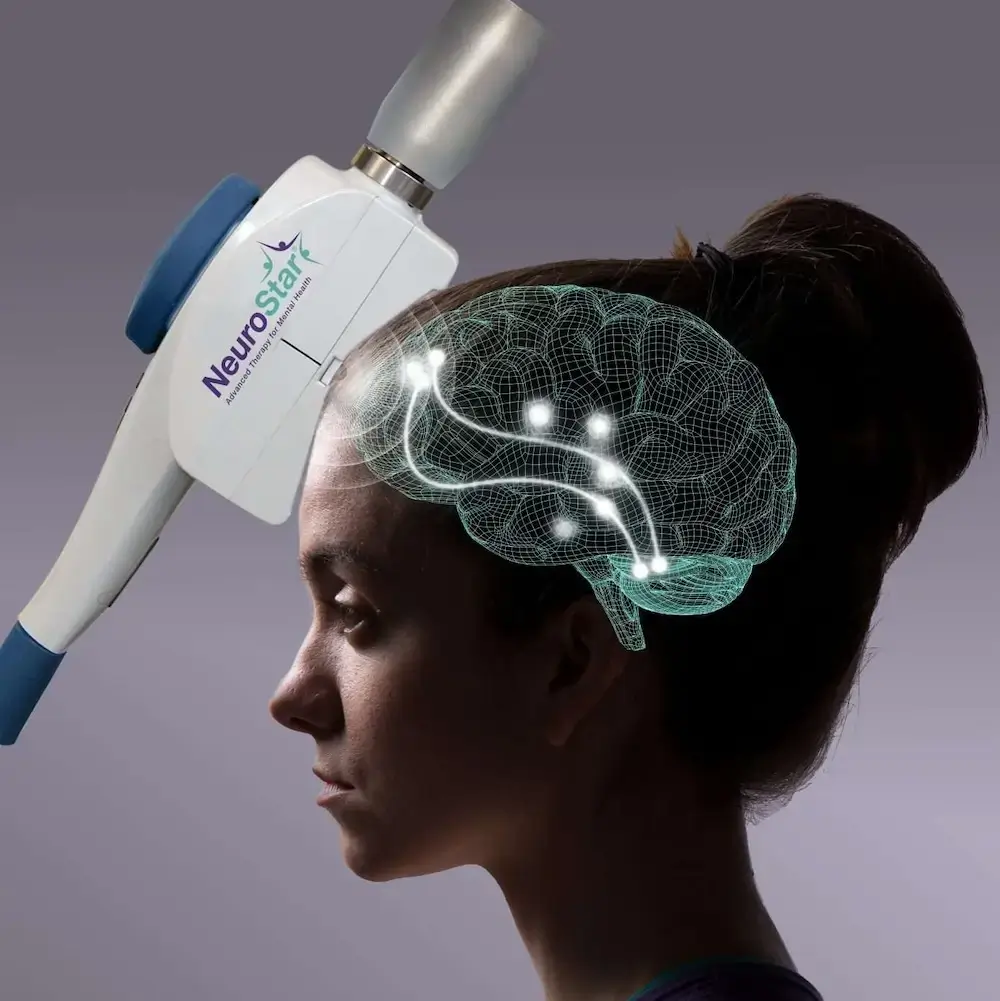
TMS is an FDA-approved biomagnetic therapy, a non-invasive treatment that involves the performance of magnetic pulses (targeted) to stimulate portions of the brain involved in mood regulation. Although the technology is potent, the success of the technology cannot be achieved without the right TMS psychiatry experts and psychiatric monitoring.
The psychiatric supervision is critical to the existence of TMS being:
- The diagnosis of the patient is clinically appropriate.
- Combined with continuous drug administration as necessary.
- Adapted to symptoms, reaction, and tolerability.
Dr. Sajan's Clinical Assessment of Treatment-Resistant Depression
Health & Psychiatry has been proudly led by Dr. Sajan Dinar, MD. A highly respected and experineced psychiatrist known for her dedication to patient care and clinical excellence.
With more than a decade of hands-on experience in psychiatry and advanced brain-based therapies, Dr. Sajan built Health & Psychiatry into a trusted destination for premium Transcranial Magnetic Stimulation (TMS) treatment across Florida in 2013.
At Health & Psychiatry, Dr. Sajan evaluates the psychiatric case of the patient comprehensively before prescribing NeuroStar transcranial magnetic stimulation therapy. This evaluation extends past symptom checklists and uses a thorough examination of the history of treatment, response to medication, side effects, as well as psychosocial stressors.
Dr. Sajan also assesses other conditions that are commonly comorbid with depression, which include anxiety disorders, post-traumatic stress disorder, bipolar spectrum, or attention deficit hyperactivity disorder. It is critical to define these factors because comorbidities may have a significant impact on the outcomes of the treatment when they remain untreated.
This cautious diagnostic procedure enables Dr. Sajan to know whether TMS is the most suitable intervention step or it is time to address other interventions.
Dr. Sajan's Thoughtful Approach to TMS Therapy for Depression!

The attitude towards the use of TMS therapy by Dr. Sajan can be considered a combination of clinical science and patient-centered care. TMS use should not be encouraged unless evidence proves its application, and when the patients have a high chance of benefiting from neuromodulation instead of further medication trials.
Research has indicated that brain stimulation therapy for depression has the capacity to yield significant changes in depressive symptoms, even in those patients who have not responded to several antidepressants.
But Dr. Sajan underlines the realistic expectations, open education, and constant communication during the process of treatment.
Patients are instructed on what TMS entails, how progress is assessed, and how successful treatment is based on domains other than just symptom reduction, including disruptions in day-to-day functioning, motivation, and quality of life.
Individualized TMS Treatment Planning Under Dr. Sajan's Care
There is no universal way in which two patients will be depressed, and the procedures of TMS used by Dr. Sajan will accommodate the same. Planning of the treatment is personalized in accordance with the clinical manifestation, past pattern of responses, and the preference of the patient.
The major aspects of personalization are the parameters of stimulation, the frequency of sessions, and the combination with psychotherapy or medication adjustments. During the treatment process, patients will be carefully observed, and Dr. Sajan and her team will be able to make data-driven changes in case of stagnation or a change in the symptoms.
The individual approach is of particular value to treatment-resistant depression, in which even minor changes in the clinical picture can mean a lot in terms of long-term results.
TMS Therapy at Health & Psychiatry Guided by Dr. Sajan's Psychiatric Leadership
At Health & Psychiatry, TMS treatment is provided as a part of a clinical setting led by a psychiatrist, which guarantees treatment continuity and patient accountability. The advantages of using TMS as part of the overall mental health care system include the fact that patients are not put in an isolated mode of treatment. Rather, part of an ongoing relationship with a psychiatrist.
 This model facilitates short-term symptom management and long-term mental health stability. To patients with treatment-resistant depression, the leadership of Dr. Sajan gives them hope that the decisions made for the patient are informed by experience, evidence, and empathy.
TMS therapy at Health and Psychiatry is:
→ Non-invasive and medication-free.
→ FDA-cleared NeuroStar transcranial magnetic stimulation, and is clinically proven.
→ Administered in a calm, supportive environment.
→ Carefully monitored for safety and effectiveness.
In case you or one of your loved ones lives with an untreatable depression that is not responding to more conventional methods, a mental health assessment with Dr. Sajan can help find out whether TMS therapy can become a viable option.
Schedule your Consultation NOW! We accept most major insurance plans.
FAQs
What makes TMS different from traditional depression treatments?
TMS is a highly direct treatment, unlike drugs, which have an impact on the whole body. It does not have anesthesia and does not have the systemic side effects typical of antidepressants.
Why is psychiatrist oversight important for TMS therapy?
TMS psychiatry care guarantees proper diagnosis, proper selection of patients, and follow-up. This knowledge is essential in ensuring TMS safety when incorporated into an all-embracing mental health treatment plan.
What conditions can TMS help besides depression?
Besides major depressive disorder, TMS has been effective in other disorders like obsessive-compulsive disorder and it is currently being investigated as an anti-anxiety agent and in treating PTSD under the supervision of a psychiatrist.
Why choose Dr. Sajan for TMS therapy?
Dr. Sajan will contribute expert knowledge of psychiatry, patient-focused philosophy, and devotion to evidence-based care. Her strategy is based on careful consideration instead of protocol-based treatment.
How does Dr. Sajan personalize TMS treatment plans?
The basis of personalization is on clinical past, mode of symptoms, and continued response to therapy. Modifications are also provided during the therapy to maximize the results.
What makes Health & Psychiatry clinics different for TMS treatment?
Health & Psychiatry provides psychiatrist-guided TMS services as part of a multifaceted mental health practice, and therefore continuity, safety, and personal care are maintained in the process.