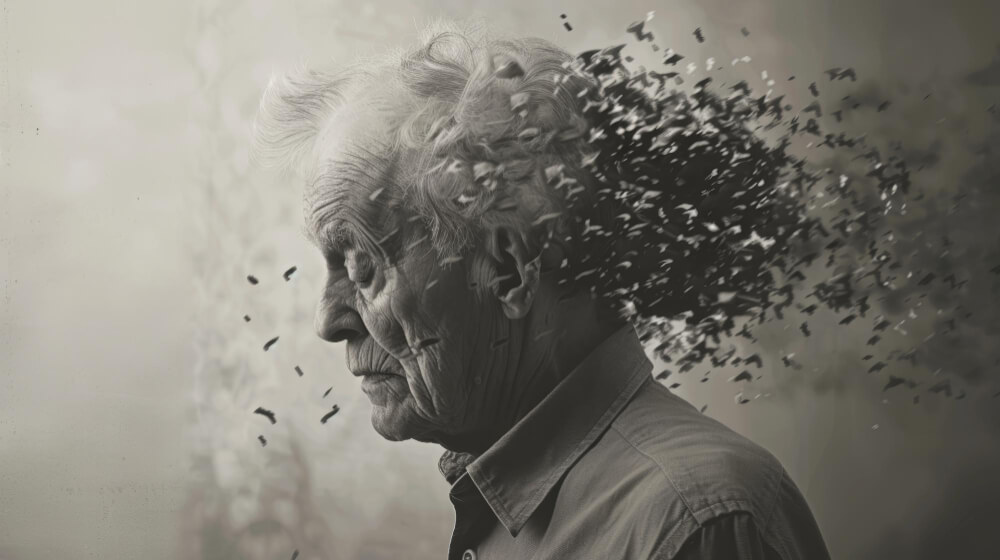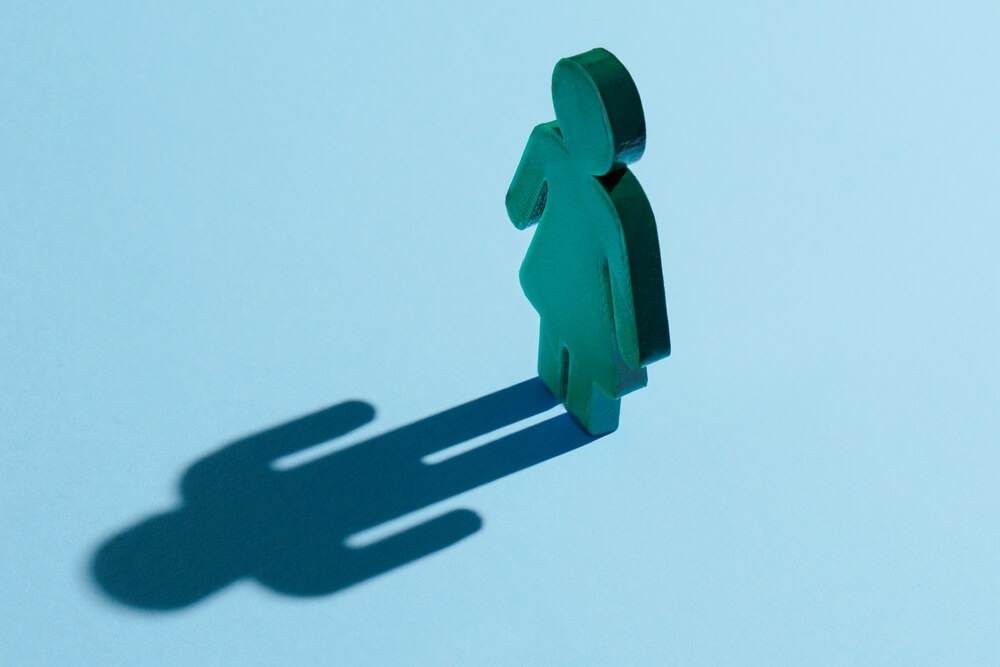
Gender dysphoria is described as a distressed feeling. It is a feeling one feels when they are not satisfied with the gender identity they were assigned at birth. In simpler words, it is a condition where a person feels that their gender identity differs from what they are being referred to as.
Ever heard of gender dysphoria and immediately thought of transgender? Well, transgender is not a psychiatric diagnosis. On the other hand, gender dysphoria is.
Many gender-diverse people and transgender people go through this condition in childhood or later during puberty. The dissatisfaction with a gender can be so strong that it can cause the person to change their gender identity. But this is not necessary. People can also get mental issues like depression from it.
What are the Types of Gender Dysphoria?
It has many categories; the major ones are as follows:
1. Body Dysphoria
Body dysphoria is a type of gender dysphoria where a person feels distressed about their appearance, body parts, and physical characteristics. They feel uncomfortable with their sex characteristics, like breasts, genitals, or facial characteristics.
2. Social Dysphoria
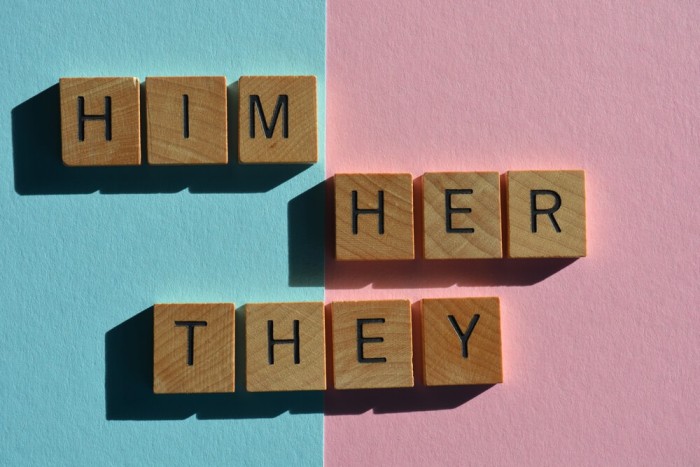
When a person feels distressed and uncomfortable with the roles society gives them, it is called Social dysphoria. It can manifest in the form of pronouns. Or sometimes the distress is about the roles they are expected to play socially. For instance, a person who is a male by birth might not conform to the roles society expects from a male. This conflict can affect their mental health.
3. Mind Dysphoria
Also known as cognitive dysphoria, there is a conflict between what a person’s actual sex is and what sex they want to be. Some major symptoms of mind gender dysphoria the extreme unhappiness or distress mental state.
What Causes Gender Dysphoria?
The causes are still unknown. However, many professionals opt for the hormonal influences as a reasonable explanation for feeling uncomfortable with the gender assigned at birth.
When talking about the causes, the condition typically occurs in childhood or in early adulthood. In the early onset dysphoria, the child between 2 to 4 years starts taking an interest in the other gender’s activities and relates to them more than their own gender. Usually, the onset of dysphoria does not continue till adulthood.
On the other hand, the adult onset of gender dysphoria happens when a person reaches early to mid-adulthood. It can be a continuation of the early dysphoria or a completely new wave.
What Does Gender Dysphoria Feel Like?
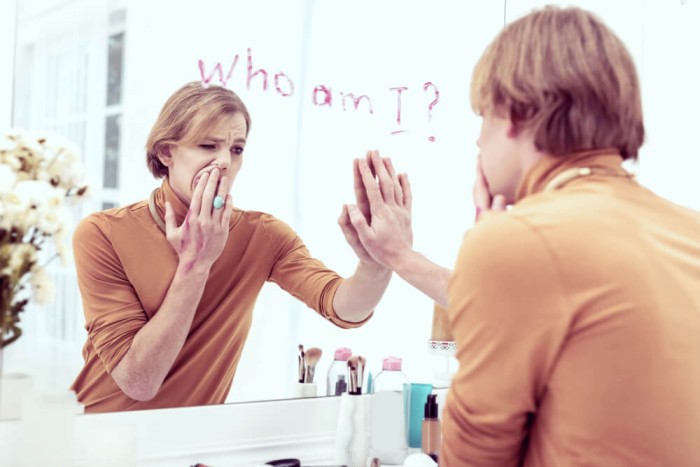
It shows different types of symptoms based on the age group the person is in. As discussed above, the two main stages are early-onset and adult-onset.
Symptoms of Gender Dysphoria in Children
The symptoms in children may include:
- Feeling socially awkward at school or home and avoiding social events.
- The desire to dress as the other gender, e.g., a boy will ask to be dressed as a girl or vice versa.
- Feeling anxious about one’s gender and having difficulty explaining it to the elders.
- Feeling depressed or down more than usual.
Symptoms of Gender Dysphoria in Adults
The signs in adults include:
- Feeling the intense desire to be treated like the other gender in social gatherings.
- Desire to change one’s appearance and sex characteristics to the other gender.
- Urge to get the surgical procedures done to look and feel like the other gender.
- Feeling depressed and anxious due to their gender assigned at birth.
How Is It Diagnosed?

One of the major diagnostic techniques is to use the Diagnostic and Statistical Manual of Mental Disorders (DSM-5). It has different criteria for children and adults and offers a clear and detailed diagnosis.
To receive this diagnosis, the person must have experienced six months of consistent symptoms. For psychological treatment of gender dysphoria, a professional therapist can take the diagnostic test and offer the final verdict.
Treatment Plan for Gender Dysphoria
There are different therapy-based treatments available. All of them aim to assist the affected individual to be able to maintain a lifestyle that matches their desires and gender identity.
However, the treatments vary from person to person, based on their conditions and severity.
→ The two major categories the treatments are divided into are:
Psychological Treatment for Children
The treatment for children usually focuses on psychological counselling and being supportive of the child. The common therapies include individual and family psychotherapies, etc.
Psychological Treatment for Adults
For adults, the therapies are extensive than those for the children. The person is diagnosed by a professional gender dysphoria therapist using the DSM-5. Based on the results, they are then suggested therapy. The first stage is to try psychological therapies like behavioural or cognitive, along with counselling.
In some cases, cross-sex hormone therapy and voice/speech therapy may also be recommended by the gender dysphoria therapists to make the person feel comfortable with their gender.
Online Gender Dysphoria Therapy and How it Works?
With the recent digitisation, online therapies or telepsychiatry are gaining more and more traction. While you can go to get a one-on-one session for gender dysphoria treatment with your professional caregivers, recent studies are showing that gender dysphoria mental illness treatment with online therapies is also becoming a huge help for reducing mental distress.
When a person is not able to visit in person, online therapy for gender dysphoria or telehealth can come in handy as part of treatment.
An online therapist also helps people with certain insecurities about getting judged or having difficulty facing a professional caregiver.
Talking from behind the screen can increase openness and honesty in many cases.
The process includes booking an appointment and then attending sessions online. Schedule your consultation now to know more!
Get Help at Health & Psychiatry!
At Health and Psychiatry, we offer the support you need to get comfortable in your own body. Whether you’re depressed, anxious, or just want to clear your head about your gender identity, we are here to help you with our gender dysphoria Florida clinics.
Moreover, our telepsychiatry program is here to assist in getting the help you need directly without having to visit our clinics. If you’re in an area where there is little to no help available for you or just at a distance, we offer a full range of online services where you will get everything from evaluation to diagnosis to management.
Contact us now and get comfortable with your gender identity with our Florida specialized treatments for gender dysphoria!
FAQs
Will my therapy sessions be confidential?
Yes. Our team is HIPAA-trained and promises the safety of our patients’ information. All treatment sessions at Health and Psychiatry are confidential. We take your privacy very seriously. Always follow the confidential policy according to the United States healthcare standards.
Is it necessary to transition to treat gender dysphoria?
No. Most people are treated for gender dysphoria with social support, therapies, and other coping strategies without going through the hormonal or transitioning options.
How is gender dysphoria caused?
The cause of gender dysphoria is not known and certainty. However, most professionals agree that hormone influence plays a primary part in it,
What do people feel when going through gender dysphoria?
Gender dysphoria is a distressed condition. Where a person feels like the gender assigned at birth does not conform to their gender identity. They feel like they belong to the other gender. They feel the urge to be treated the same in society.
Is transvestic disorder the same as gender dysphoria?
Gender dysphoria is about gender identity. It is a mismatch between a person’s gender identity and the assigned gender. Whereas transvestic disorder is when a person feels aroused sexually from cross-dressing.
Is gender dysphoria a mental disorder?
Gender dysphoria is not a mental disorder but a distress. This is caused when a person does not feel comfortable with the gender assigned at the time of birth.
Can only therapy help with gender identity?
Yes, therapy under the care of an experienced psychiatrist is there to help you manage your condition. There are different therapy options. They differ for children and adults based on their symptoms. With consistency and dedication, a person can overcome gender dysphoria.