Panic disorder is a severe mental health disorder that is very treatable, though it affects millions of individuals globally. It is characterised by sudden and intense bursts of fear, otherwise referred to as panic attacks, and this may greatly interfere with normal daily life. The constant fear of the next panic attack is something many people with panic disorder experience, which in most cases results in avoidance behavior and poor quality of life.
The panic disorder statistics reveal that the disorder is at an approximate rate of 2-3 percent in the world, whereby the onset of the condition starts later in adolescence and early adulthood. With early diagnosis and evidence-based treatment, most individuals have documented a high amount of symptom alleviation and long-term remission.
What Is Panic Disorder?

Panic disorder is categorized as an anxiety disorder, which is characterized by random, sudden panic attacks. Moreover, they are followed by anxiety regarding the occurrence of panic attacks in the future or by maladaptive behavioral change.
The typical symptoms of the panic attack disorder are:
- Rapid or pounding heartbeat
- Difficulty breathing or being smothered
- Chest pain or discomfort
- Sweating, trembling, or shaking
- Lightheadedness or dizziness
- The fear of losing control, going crazy, or dying
Although panic attacks are harmless, they are usually very upsetting and are sometimes misinterpreted to be a medical emergency. Through studies, it has been revealed that as many as 25 per cent of those who report to the emergency rooms with chest pain are experiencing panic disorder symptoms other than heart disease.
Treatment for Panic Disorder
The multimodal approach with a combination of psychological and biological factors is the most effective treatment after a panic disorder diagnosis. The treatment plans are tailored depending on the severity of symptoms, the medical history, and patient preferences.
Evidence-based treatments for panic disorder are:
- Psychotherapy
- Medication management
- Lifestyle and nervous system regulation
- Practical coping skill development
Therapy for Panic Disorder
Cognitive Behavioral Therapy (CBT) is the most efficient psychological and the best therapy for panic disorder, which has been supported by decades of thorough studies.
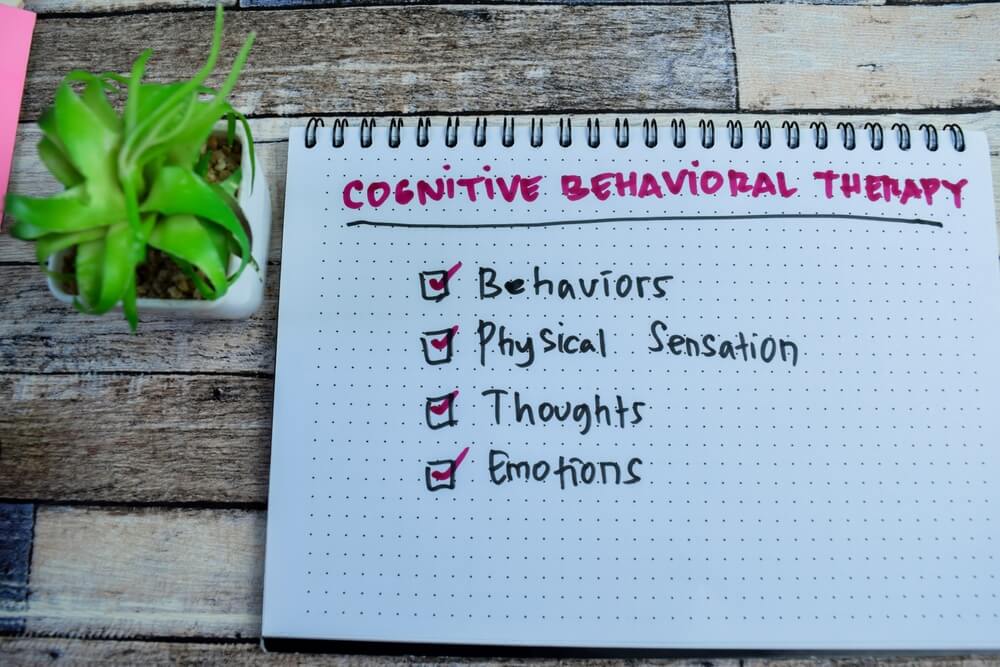
CBT for panic disorder in Florida normally comprises 12-15 sessions that are either individual or group-based and has recorded impressive success rates.
→ Psychoeducation in CBT will show you why signs of panic disorder concern are actually not threatening, by understanding how your body reacts to the alarm system, much of the fear of fear that perpetuates the disorganization will be eliminated.
→ Cognitive restructuring enables you to detect and dispute catastrophic beliefs, such as I am having a heart attack and replace them with balanced thoughts like My heart is racing as a result of anxiety and not danger.
→ Furthermore, it has been identified that interoceptive exposure and a face-to-face therapy environment yield better treatment results. Such exercises train your nervous system so that unpleasant sensations are not dangerous.
→ Lastly, the in vivo exposure slowly re-exposes you to those situations that you have avoided, thus breaking the pattern of avoiding and broadening your comfort zone.
Additional Treatment Options for Panic Attacks
CBT has been the gold standard according to panic disorder therapists, but alternative evidence-based therapies are also sources of good alternatives or complements.
- Acceptance and Commitment Therapy (ACT) for panic attack disorder teaches you to quit struggling with anxiety and embrace it, and to devote yourself to doing something you value even when that action causes discomfort. This method may prove especially useful in the case of individuals who have difficulties with exposure aspects of conventional CBT.
- Mindfulness-based interventions can help you become more non-reactive to internal sensations and, more importantly, create an awareness of the present moment so that you are aware of the signs of panic without judging them and viewing them as disastrous.
- The application of panic-oriented psychodynamic psychotherapy has also yielded positive results for patients with active panic anxiety disorder.
Cognitive behavioral therapy for panic attacks can also be delivered through a method known as Internet-delivered CBT (I-CBT) as an option to individuals with geographical terrains or limited mobility. Studies have also established that I-CBT yields the same level of symptom reduction as face-to-face CBT; hence, effective treatment is offered by the methodology without regard to the location.
Medication for Panic Anxiety Disorder
In people whose symptoms are acute and sensitive to treatment, medication for panic disorder can be very instrumental. When taking pharmacological treatment for panic anxiety disorder, it must always be under the supervision of a psychiatrist or physician who can observe your response so as to increase/ decrease dosages and control possible side effects.
Lifestyle and Nervous System Support

Habits are very strong in the regulation of the nervous system and managing panic disorders. Although lifestyle change does not substitute professional care, it greatly improves the effectiveness of the latter.
→ Regular Exercise
One of the strongest natural interventions for panic disorder treatment is physical activity. The exercise lessens the general anxiety levels, elevates the stress response of your body, and improves the quality of sleep.
Aim for at least 30 minutes of moderate aerobic activity or breathing exercises for panic attacks on most days of the week.
→ Quality Sleep
Sleep deprivation renders an individual prone to panic attacks. Having a regular sleep and wake regimen, even during the weekends, is necessary to regulate the inner functioning of the body.
Other than these, attempt to eat well and have meaningful social engagements. These methods of preventing panic attacks can help you stay psychologically well.
Coping Skills in Panic Attacks
Performing practical coping skills training allows individuals to manage panic attacks upon their occurrence and erase the fear of their happening in the future as well. Some ways to control panic attacks:
- Deep breathing of the diaphragm to slow physiological excitement.
- Slow diaphragmatic breathing to calm physiological arousal
- Cognitive reframing of catastrophic thoughts.
- Gradual muscle relaxation in order to reduce physical tension.
Panic Disorder Recovery Step-by-Step Treatment Plan
If you are suffering from panic disorder, taking proper treatment is mandatory.
A step-by-step plan can be:
Step 1: Comprehensive psychiatric assessment.
Step 2: Diagnostic clarification and patient education.
Step 3: Initiation of evidence-based therapy.
Step 4: Medication management when indicated.
Step 5: Lifestyle and nervous system regulation strategies.
Step 6: Skill-building for panic symptom management.
Step 7: Ongoing monitoring and relapse prevention.
The process of recovery can be slow, though possible, and most patients demonstrate some significant improvement after 8-12 weeks of regular treatment.
Treatment Options We Use for Panic Disorder

Healthy & Psychiatry offers holistic, evidence-based treatment that is designed based on the needs and circumstances of the particular patient. In our treatment philosophy, panic disorder does not impact all individuals in the same way, and each individual should be approached individually to achieve the best results.
Panic disorder is overwhelming to live with, but it can be treated with in-person or telehealth services for panic disorder. Early intervention is more advantageous, and it aids in the prevention of chronic symptoms.
Healthy & Psychiatry is an evidence-based practice that provides compassionate care to aid in long-term recovery.
Book an appointment for a confidential consultation now. We also offer online therapy for panic disorder so that you can start being in control and confident again.
Get started today with panic disorder treatment in Florida!
FAQs
Is panic disorder genetic?
It is not caused by a single factor, but a combination, and genetics plays a significant role in it.
Is panic disorder a chronic illness?
Yes, panic disorder is considered a chronic and long-term condition. However, it can be cured with proper treatment and maintained.
Can panic disorder go away without any treatment?
No, if you have a panic disorder, getting treatment is necessary. Without any treatment, the condition can worsen.
Can CBT completely stop panic attacks?
Yes, with adequate cognitive behavioral therapy, panic attacks can stop completely.
Can panic disorder come back?
Yes, panic disorder can relapse even after getting treated for it properly. So, it is important to do follow-ups.