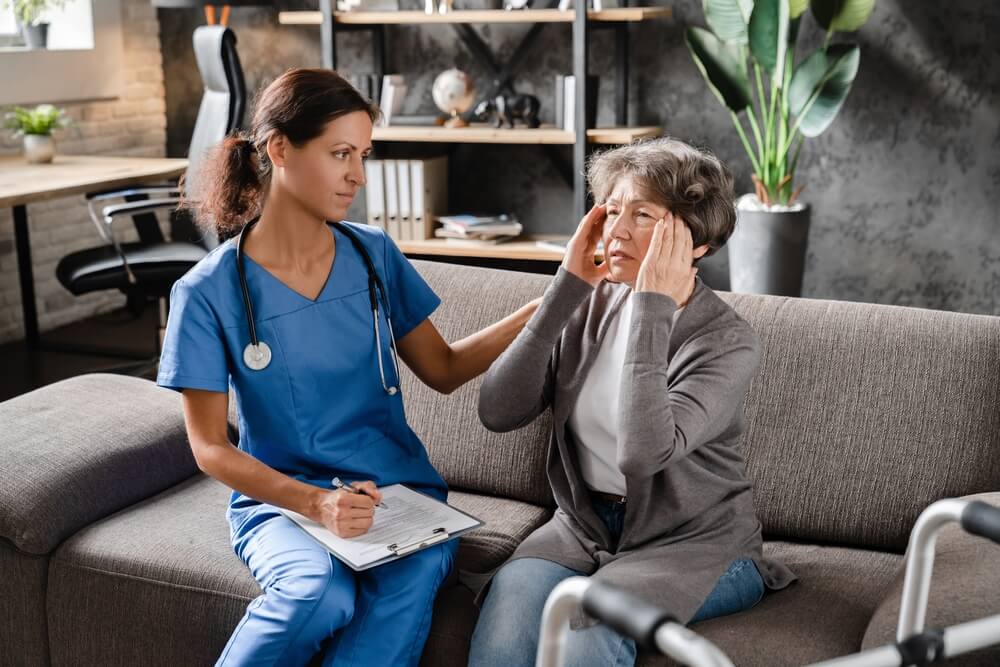
Mental health condition; paranoid schizophrenia is serious! It affects the reality of a person, which is how a person thinks, feels, and interprets reality. Commonly marked by persistent feelings of suspicion, false beliefs (delusions), and sensory experiences.
These experiences include hearing or seeing things that others do not.
These symptoms can make everyday life confusing, stressful, and overwhelming. For both. The individual experiencing them and for their loved ones.
According to the World Health Organization (WHO), nearly 23 million people worldwide live with schizophrenia. These numbers make it a significant global mental health concern.
Living with symptoms such as intense fear, mistrust, or disturbing thoughts can interfere with relationships, work, and daily functioning.
However, with early diagnosis, compassionate support, and the right treatment approach, many individuals are able to manage their symptoms and improve their quality of life.
At Health & Psychiatry in Florida, individuals experiencing symptoms of paranoid schizophrenia can receive comprehensive mental health care, including professional evaluation, personalized treatment plans, and ongoing support designed to help patients regain stability and confidence in their daily lives.
What Is Schizophrenia Paranoid Type?

Paranoid schizophrenia is another type of schizophrenia that presents itself in the form of major paranoia, persecution delusions, and hearing voices.
People with such conditions have a disturbed belief that they are being followed. They used to think that they were plotted against by other people. These ideologies can be so strong. Of course, they can interfere with daily life, relations, and work and everything.
While the term paranoid schizophrenia was previously used to describe a subtype of schizophrenia characterized mainly by paranoia and delusions, mental health professionals today understand it as part of the broader spectrum of schizophrenia disorders.
The patients of the paranoid form of schizophrenia also maintain a relatively normal way of thinking and emotional response to everything except the beliefs of paranoia, unlike the other forms of schizophrenia that may be accompanied by considerable disorganized behavior and speech.
Signs of Paranoid Schizophrenia
Paranoid schizophrenia symptoms may vary among individuals, and may not be evident fast enough. The most common initial symptoms would be:
- Incessant mistrust or suspicion of other people.
- Believe that people are trying to injure them or defraud them.
- Social withdrawal and isolation.
- Overhearing voices.
- Difficulty in focus or attention.
- Emotional reaction to threats is high.
Symptoms of Paranoid Schizophrenia
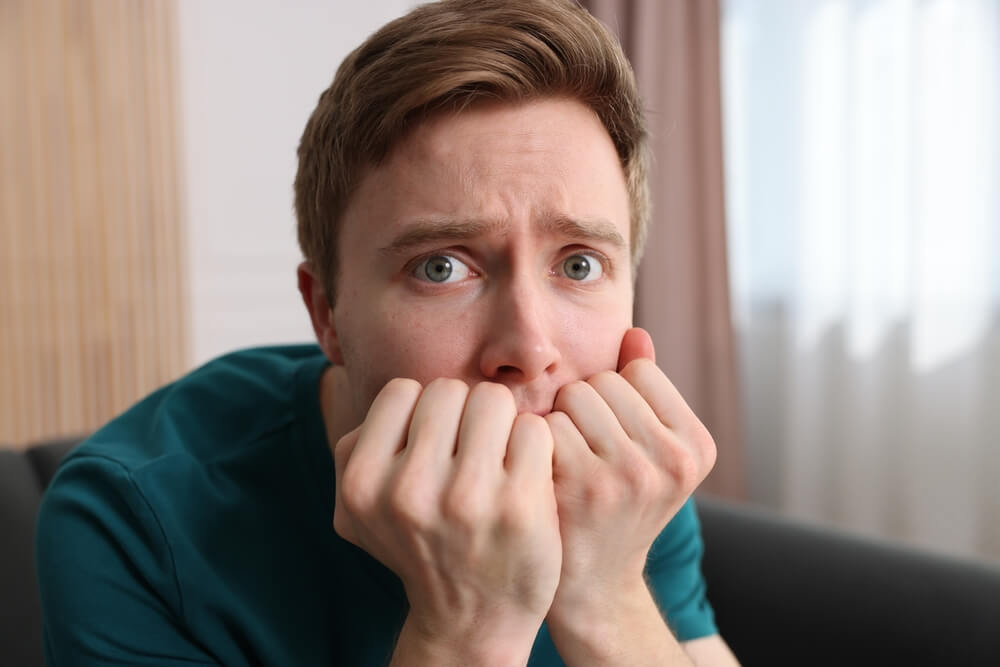
The symptoms of paranoid schizophrenia are:
→ Positive Symptoms
Positive paranoid schizophrenia symptoms involve the behaviors or experiences that are attached to the normal functioning of an individual:
- Delusions, particularly the persecutory delusions.
- Aural hallucinations (voices).
- Extreme paranoia.
- Distrusting other people.
→ Negative Symptoms
Negative symptoms of schizophrenia with paranoia are the loss or decrease in normal abilities, which include:
- Decreased expression of emotions.
- Lack of motivation.
- Social withdrawal.
- Lack of interest in day-to-day activities.
→ Cognitive Symptoms
There are cognitive symptoms, which influence thought and mental functions. These may include:
- Difficulty concentrating.
- Reduced ability to process information.
- Problems with memory.
- Trouble making decisions.
Causes of Paranoid Schizophrenia
→ Brain Chemistry: The brain is mentioned to have a chemical imbalance, which includes dopamine and glutamate, and which is believed to be a major paranoid schizophrenia cause.
→ Genetics: Evidence suggests that individuals with a first-degree family member with schizophrenia are at an approximate risk of developing the condition, and this rate is about 10% as compared to 1% of the general population.
→ Abnormalities in the Brain Structure: Some individuals who have been diagnosed with schizophrenia may have developed structural defects in their perception, thinking, and emotional parts of the brain.
→ Environmental Factors: Exposure to environmental factors can be used to trigger the disorder among individuals who have a genetic predisposition. These can be extreme stress or trauma, drug abuse, urban living, or alienation.
→ Divorce or Early Death of Parent: Experiences of childhood trauma may lead to an individual developing a mental condition, including schizophrenia, due to the loss of a parent or the experience of separation in childhood.
→ Low Oxygen Levels at Birth: There are also high chances of developing schizophrenia in the later stages of life in case of complications during pregnancy or birth, where oxygen to the brain may be low.
Stages of Paranoid Schizophrenia

Schizophrenia is usually progressive and happens in stages.
Stage 1
The prodromal stage is when early weak symptoms are shown, including social withdrawal, anxiety, or abnormal thoughts.
Stage 2
The active stage involves the most well-known symptoms, among which are hallucinations, delusions, and paranoia.
Stage 3
The symptoms in the residual stage are less intense and may also entail mild paranoia, lack of motivation or social challenges.
Diagnosis of Paranoid Schizophrenia
A psychiatrist or any other qualified mental health provider can diagnose paranoid schizophrenia through an elaborate mental health assessment.
The diagnostic process normally involves:
- Comprehensive medical and mental history.
- Symptom evaluation.
- Physical assessment to eliminate medical conditions.
- DSM-5-based mental health assessments.
→ Physicians can also assess the duration of symptoms and whether they can disrupt normal functioning.
Treatment Options for Paranoid Schizophrenia

Though schizophrenia is a long-term disorder, most people have been able to cope with the symptoms when they are treated properly with paranoid schizophrenia therapy.
→ Antipsychotic Medications
The most common form of treatment for schizophrenia is antipsychotic meds. These paranoid schizophrenia medications aid in controlling the hallucinations, delusions, and paranoia by balancing the chemicals in the brain.

→ Psychotherapy
Through psychotherapy, patients are made to realize and cope with their symptoms. Common approaches include:
- Cognitive behavioral therapy (CBT)
- Supportive therapy
- Social skills training
These treatments are important in assisting the patients to learn coping mechanisms and enhance daily functioning.
→ Electroconvulsive Therapy (ECT)
In severe cases, electroconvulsive therapy can be suggested when the symptoms are not responsive to medications. This paranoid schizophrenia therapy makes the severity of psychosis and mood disturbances less grave.
→ Psychosocial Rehabilitation
The psychosocial programs aim at assisting individuals to become independent by enhancing:
- Social skills
- Work abilities
- Daily living skills
→ Family Support and Education
It is imperative to involve family in the treatment of schizophrenia. The education programs enable the families to know the condition and offer proper support.
Risk Factors for Paranoid Schizophrenia
Several causes can lead to the possibility of developing paranoid schizophrenia and they include:
- Schizophrenia in family history.
- Prenatal complications.
- Drug abuse.
- Trauma or long-term stress.
- Social isolation.
The presence of risk factors does not imply that a person is bound to develop the disorder, but this may make one more susceptible.
Living With Paranoid Schizophrenia!

It is not easy to live with paranoid schizophrenia, but with appropriate paranoid schizophrenia treatment and care, many sufferers can live a meaningful and productive life.
The condition is mostly managed through a structured treatment plan which includes the use of paranoid schizophrenia medication, therapy, and frequent check-ups by the mental health physician at traetment centers..
Also, one should be consistent with prescribed therapies. Family members, friends, and caretakers can actually make a person stable and help them recover.
In addition, healthy lifestyle practices such as stress coping, sleep habits, healthy eating, and exercise can be used to improve mental health.
When to Seek Professional Help?
Professional help is obligatory in case the symptoms begin to interfere with normal life, or as soon as the abnormal thinking and perceptions appear to be permanent.
Individuals with a high level of hallucinations, delusion or serious paranoia may feel unable to continue working in their jobs, learning institutions, etc.
They should seek professional care early enough since the symptoms can be prevented through timely treatment before they advance.
Mental health practitioners are capable of making the right assessments, prescribing the right medications to patients, and providing therapeutic assistance to enable them to be stable.
Why Health & Psychiatry is the Right Choice for Paranoid Schizophrenia Patients?

We care for our patients like our own family. The patients at Health & Psychiatry's paranoid schizophrenia treatment center are experienced mental health professionals who provide compassionate, evidence-based care for individuals living with schizophrenia and related conditions..
We offer comprehensive psychiatric evaluations. Our personalized treatment plans, medication management, and ongoing therapeutic support help patients stabilize symptoms and improve daily functioning.
For your convenience, we also provide secure telepsychiatry appointments. It is for you to receive expert mental health care from the comfort and privacy of your homes.
Take the first step toward better mental health today. Contact Health & Psychiatry to schedule an appointment…
FAQs
Is paranoid schizophrenia curable?
Unfortunately, the disorder is not curable. But it is manageable through medication and therapy.
Is paranoid schizophrenia hereditary?
There is a genetic component of schizophrenia. Those prone to this disorder are people with a family history of the disorder but the environment is also a contributor.
What is the difference between schizophrenia and paranoid schizophrenia?
Schizophrenia is a general mental illness that incorporates a range of symptom patterns. Paranoid schizophrenia is used to refer to those instances in which paranoia, persecutory delusions and hallucinations are the most notable symptoms.