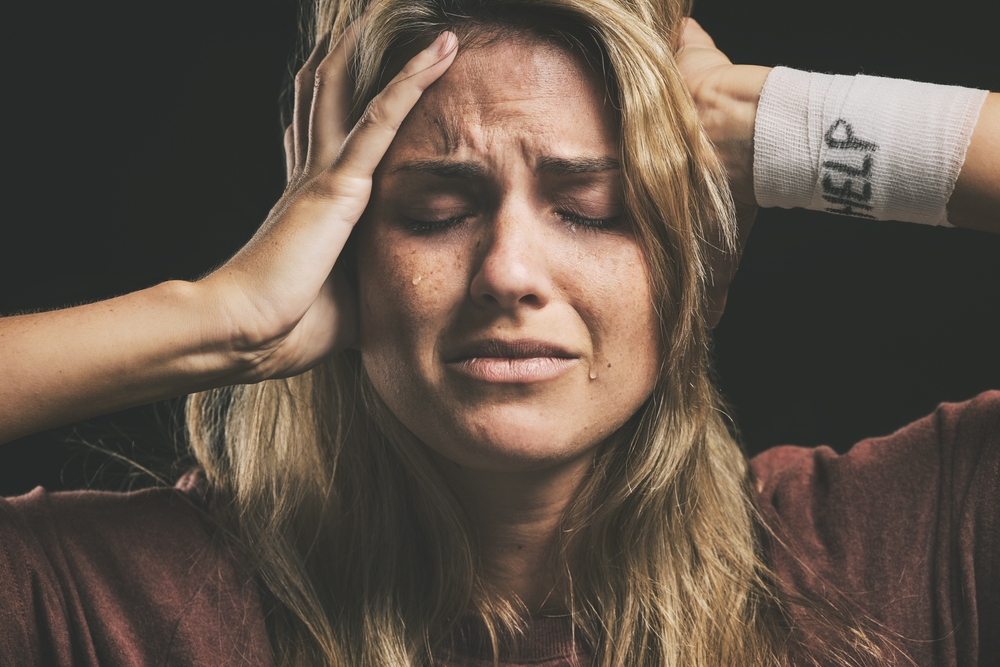
Post-Traumatic Stress Disorder (PTSD) is a psychiatric disorder. Characterized by persistent emotional, psychological, and physical reactions to trauma, such as violence, accidents, natural disasters, or life-threatening situations.
Post-traumatic stress disorder (PTSD) in females rarely gets the recognition it deserves because it is not always evident.
Why? Because trauma is not a single, non-recurring phenomenon for many women. It is layered, includes relationships, recurring exposure, and complicated emotions. This alters the neuroscience of PTSD and its day-to-day expression.
How Common is PTSD in Women?
It turns out women often end up with PTSD far more than men do, even though men face more trauma on average across their lives.
Women in the U.S. face PTSD nearly three times more often than men, data shows. Close to one in ten deals with it during life, by contrast, land near 3.6%.
What matters is persistence; a longitudinal study published in the JAMA Psychiatry showed slower recovery rates and that PTSD symptoms in women persist for a long time. It shows that vulnerability does not only depend on exposure but also the type of trauma and how the brain receives it.
Causes of PTSD in Women
The most significant predictor of PTSD is not just trauma exposure but interpersonal trauma, which disproportionately affects women. Some causes like medical trauma or PTSD in military women, are also included.
→ Childhood Trauma
Earlier hardship - like being ignored, hurt, or living through chaos - can twist how feelings grow over time. When women face deep wounds as kids, the chance grows that they’ll carry C-PTSD into adulthood.
→ Sexual Trauma
A woman might carry scars not seen after an attack. About thirty percent face unwanted sexual acts at some point, data shows. Power taken away can twist how she sees safety later on.
→ Domestic Violence
Living through repeated harm - hitting, yelling, mind games - wires the body to expect danger. While one-time shocks fade, abuse at home trains the nervous system to never relax.
→ Accidents and Disasters
When people feel powerless during car crashes, storms, or unexpected harm, PTSD might follow. Sometimes it's not just the event but how trapped someone feels that leaves a mark. Moments like these stick - not because they’re common, but because they overwhelm. Nonetheless, trauma shows up quietly, even if the danger passed quickly.
→ Grief After Sudden Loss
Falling apart after someone close dies suddenly, especially when pain surrounds their passing, can flood your ability to handle it.
Why PTSD Can Look Different in Women? PTSD in Women vs Men…
Females often show different PTSD symptoms than males do. Not every person reacts the same way under trauma's weight - bodies and minds can diverge.
Another difference is in the brain’s biology. Brain scans show that women with PTSD often have an overactive amygdala - the region tied to sensing danger - while control signals from the prefrontal cortex weaken. Changes in estrogen levels seem to affect how scary experiences get stored and later remembered.
What stands apart here shifts everything. Since women’s reactions can look like depression or constant worry, PTSD slips through the cracks - PTSD treatment for women then misses the root hurt entirely.
Signs and Symptoms of PTSD in Women
|
Category |
What It Feels Like |
Common Signs in Women |
|
Intrusive |
Re-experiencing trauma, unwanted recall |
Flashbacks, nightmares, intrusive thoughts, emotional triggers |
|
Avoidance |
Escaping reminders, emotional shutdown |
Avoiding people/places, withdrawal, detachment |
|
Mood & Thinking |
Negative emotional state, altered beliefs |
Guilt, shame, numbness, low self-worth, hopelessness |
|
Arousal & Reactivity |
Constant alertness, heightened stress |
Irritability, hypervigilance, poor sleep, focus issues |
|
physical symptoms of PTSD in women |
Body-based stress responses |
Fatigue, headaches, muscle tension, digestive issues, rapid heartbeat |
Overlooked Signs and Symptoms of Post-Traumatic Stress Disorder in Women
Yes. PTSD can affect both men and women. But it often presents differently in women. Thus leading to symptoms being misunderstood, minimized, or misdiagnosed.
Especially PTSD in military women, may not always show the “classic” signs like flashbacks or overt distress. Instead, their symptoms can appear subtly in emotional, physical, and behavioral ways.
That are often overlooked or attributed to stress, hormones, or personality.
Commonly overlooked symptoms of women with ptsd are:
1. Emotional Numbness or Over-Controlled Emotions
Rather than expressing distress openly, some women may:
→ Feel emotionally “flat” or disconnected.
→ Struggle to experience joy or closeness.
→ Appear calm on the outside while feeling overwhelmed internally.
2. Chronic Guilt and Self-Blame
Women are more likely to → blame themselves for the trauma. They feel persistent shame or worthlessness and thus minimize their own suffering (thinking: “others have it worse”).
This often prevents them from seeking help.
3. Physical (Somatic) Symptoms of PTSD in Women
PTSD in women frequently shows up in the body:
- Unexplained headaches or fatigue.
- Digestive issues.
- Chronic pain without a clear medical cause.
These symptoms are often treated physically, while the psychological root goes unnoticed
4. High-Functioning Anxiety
Many women continue to manage work and responsibilities while:
→ Feeling constantly on edge.
→ Overthinking or over-preparing.
→ Struggling silently with panic or fear.
This “functioning” can mask the severity of PTSD.
5. Sleep Disturbances Without Obvious Nightmares
Instead of clear trauma-related dreams, PTSD in military women presents with:
- Difficulty falling or staying asleep.
- Restless or light sleep.
- Waking up feeling exhausted.
6. Mood Swings or Irritability
Often mistaken for stress or hormonal changes, women with ptsd shows:
- Sudden anger or frustration.
- Emotional sensitivity.
- Feeling easily overwhelmed.
These symptoms are often dismissed as “just stress,” burnout, or personality traits, delaying proper recognition of PTSD…
It doesn’t always look like what we expect. Recognizing these subtle and overlooked signs and symptoms of ptsd in women is essential for early support and treatment. When these patterns persist, seeking professional help can be a crucial step toward healing and reclaiming emotional well-being.
Diagnosis of PTSD in Females
Usually, the process is same as for other medical conditions. The professional starts with an initial psychiatric evaluation. A history record and then moves towards using a checklist criterion like DSM-5 or CAPS-5. If the symptoms are consistent for more than one month or 30 days, then other tools are used.
Treatment Options for PTSD in Women
Women often heal best when therapy works on old trauma and how feelings move through the mind. What sticks is what targets both past shock and inner emotional shifts. Each approach brings something different, yet they share a common aim: calming an overactive survival response.
It turns out studies show how helpful it can be when care centers on feeling safe, building trust, especially for women with PTSD healing from trauma. Healing goes beyond lessening symptoms - what matters is gaining back command over one's life.
Therapies Like CBT and EMDR
Still, trauma-focused treatments lead the way. Not only does CBT help, but EMDR shows clear results too. We offer all kinds of therapies to help you overcome PTSD with virtual sessions. If you want to visit our PTSD treatment center for women, we’re also available there.
Medications for PTSD
Something that helps some people is medication. Medicines such as SSRIS or other antidepressants are cleared by the FDA to help manage emotions and nervousness. Better results usually show up when treatment includes talk sessions with women with ptsd, too.
When therapy joins medication, steadier progress tends to follow compared to relying only on tablets.
Untreated PTSD Complications in Women
Failing to address PTSD means it rarely disappears; instead, problems tend to grow wider, creeping into overall well-being.
Untreated PTSD hits women harder when it comes to mood struggles and addiction problems, yet it often includes thoughts about ending life.
Body wellness tends to take a hit, too. Moreover, long-term stress that never settles down shows up in heart issues, immune system confusion, alongside metabolism glitches.
Over time, tough emotional experiences may change how the body's defense system works, according to the APA. Lasting health issues can follow when stress from past harm lingers. Furthermore, the mind-body link shows up clearly in people who’ve faced deep distress.
Stopping problems early isn’t merely helpful - skipping it can change outcomes fast.
PTSD Treatment in Florida; Consultations Available Online and In Person at Health & Psychiatry!
Whether you’re a veteran, a woman, or a man living with PTSD, your experience is valid and deserves care.
When post-traumatic stress begins to surface… especially for women, it can feel troubling and isolating. Reaching out may seem difficult, but it is often the first and most powerful step toward healing.
Right there in Florida, help shows up when you need it. Whether online via our telepsychiatry services or face-to-face, we are here for you.
Safety comes first, always. Privacy? Built in. Judgment? Left at the door. Care fits life as it is, not how someone thinks it should be.
Finding peace doesn’t mean erasing memories. Instead, it means shaping how they shape you!
We aim to bring Hope, Health, & Harmony to everyone’s life.
Learn about our Veteran program, and mental health care for other problems.
Call us today or book an appointment!
FAQs
What are the first signs of PTSD in women?
Something feels off at first - sleep gets patchy, nerves stay on edge. A person might shut down a little inside without noticing. Instead of connecting it to trauma, people usually chalk it up to being overstretched.
What is PTSD rates in women?
One in ten women faces PTSD at some point. That number sits much higher for them compared to men.
How is PTSD diagnosed in Women?
Starting with an evaluation of medical history and traumatic events. The diagnosis also include CAPS-5 checklist or similar.