Though not as prevalent as most other psychiatric disorders, schizoaffective disorder may severely affect how a person relates, works, and functions in general if it is not treated. However, schizoaffective disorder is more prevalent, with about 0.3 percent of the population.
Schizoaffective disorder with depression type is a complicated mental disorder. Major depressive episodes, with schizophrenia symptoms, characterize the depressive schizoaffective disorder type.
So, what is schizoaffective disorder, depressive type, anyway?
If we see, schizoaffective depressive type is a disorder where the individual only has major depression, with schizophrenia symptoms without mania.
To be diagnosed with this, an individual has to have had psychotic symptoms like hallucinations or delusions in a span of at least two weeks without a major mood episode. Whereas depressive symptoms are experienced in other stages of the disorder.

This condition, compared to other mood disorders, believes that the psychosis is believed to be not confined to depressive episodes only. Rather, psychotic symptoms can be experienced alone.
Individuals with schizoaffective disorder, depressive type, usually have difficulties with:
- Cyclic depression or despair.
- Dysfunctional thought or bizarre beliefs.
- Poor concentration or inability to stick to routine daily activities.
If no treatment is given, symptoms can vary between relapse and improvement.
Causes of Schizoaffective Disorder Depressive Type
The precise causes of the schizoaffective disorder depressive type, remain unclear. Nonetheless, studies have shown that there is a combination of biological, genetic, and neurological issues that lead to the development of the condition.
→ Brain Structure and Function Differences
According to brain imaging research, schizoaffective disorder, depressive type patients with this type could exhibit structural and functional changes in some brain areas. Especially those that are implicated with emotion control, decision making and perception aspects.
Scholars have noted differences in such areas as:
- The prefrontal cortex (influences reason and judgment).
- The limbic system (emotional regulations).
- Hippocampus (memory and stress response).
→ Brain Chemistry Imbalances
The psychosis can be caused by the imbalance of dopamine and serotonin. The hallucinations and delusions have been strongly related to the abnormal dopamine activity, whereas depressive symptoms have been frequently related to the serotonin imbalance.
→ Genetic Influence
The family history plays an important role in most psychiatric disorders, such as depressive schizoaffective disorder.
Studies have shown that patients with a first-degree relative with schizoaffective disorder, bipolar type, or schizoaffective disorder and depressive type may be at risk. The disorder itself is not due to genetics, but rather it can predispose the disorder together with other environmental or biological factors.
Research indicates that diseases that are seen to belong to the schizoaffective-spectrum have shared genetic risk factors.
How is Schizoaffective Disorder, Depressive Type Diagnosed?

The diagnosis of schizoaffective disorder, depressed type, needs a thorough psychiatric assessment by a mental health professional.
Clinicians normally examine:
- Symptoms and time and duration.
- Mental health family/personal history.
- Moods and psychotic symptoms.
- Drug abuse or an illness that can resemble symptoms/
As per the criteria of DSM-5 diagnosis, the condition should also entail:
- Depression episode with psychotic symptoms.
- Minimum two weeks of hallucination or delusion with no change.
- Substance-induced and other non-substance-induced symptoms.
Since schizoaffective disorder has many similar characteristics with a number of other psychiatric disorders, diagnosis is usually done with keen observation over a period.
Schizoaffective Disorder, Depressive Type, Symptoms

The symptoms are usually divided into two broad categories, namely, the psychotic symptoms and the depressive ones.
→ Psychotic Symptoms
Psychotic schizoaffective disorder depressive type symptoms influence the perception of reality and the way of information processing in a person. The symptoms can either be manifested during depressive episodes or alone. Common examples include:
- Hallucinations (hearing or seeing something which is not there).
- Delusions (distorted notions that never change no matter what).
- Incoherent thinking or speech.
- Inability to focus or plan ideas.
- Suspicion or paranoia.
→ Depressive Symptoms
Depressive symptoms are similar to those experienced in major depressive disorder. But they are accompanied by psychosis. They may include:
- Constant depression or despair.
- Inability to enjoy old habits or hobbies.
- Fatigue or low energy.
- Changes in sleep patterns.
- Change of appetite or weight increase or decrease.
- Sense of guilt or insignificance.
- Thoughts of death or suicide.
Treatment Interventions of Schizoaffective Disorder, Depressive Type
Some of the types of treatments include what is followed:
→ Antipsychotic Medications
The antipsychotic drugs have been considered as a primary treatment for the psychotic symptoms of depressive schizoaffective disorder.
The drugs help in the regulation of hallucinations, delusions, disorganized thoughts, and paranoia as they moderate the dopamine receptors within the brain.
The second generation (atypical) antipsychotics are usually prescribed because they are not likely to cause mobility issues with the side effects compared to the earlier antipsychotics.
Schizophrenia is also a disease for which certain antipsychotics are either indicated or mostly prescribed.
→ Antidepressants
Since depressive episodes are a key element of the depressive subtype, the use of antidepressant drugs is usually incorporated to solve low mood persistence, lack of motivation, and emotional discomfort.
Selective serotonin reuptake inhibitors (SSRIs) have been used because of their safety profile and ability to treat major depressive disorder.
Antidepressants have the effect of normalizing the serotonin pathways employed in mood regulation, motivation and emotional process. Therefore, decrease depressive symptoms and improve daily functioning.
Schizoaffective disorder depressive type, treatment providers will normally suggest close follow-ups to patients whenever antidepressants are prescribed routinely.
This is to make sure that they experience mood symptoms without exacerbating psychotic symptoms or drug interactions.
→ Mood Stabilizers (when clinically indicated)
The interplay between mood stabilizers and the bipolar subtype of schizoaffective disorder is more often seen. But they can also be prescribed in some instances in the depressive subtype.
Mood stabilizers can be applied in situations where a patient exhibits:
- Mood instability.
- Temper tantrums or emotional instability.
- Mixed mood characteristics make treatment difficult.
Depending on the clinical presentation, medications are prescribed under psychiatric care.
Psychotherapy for Schizoaffective Disorder
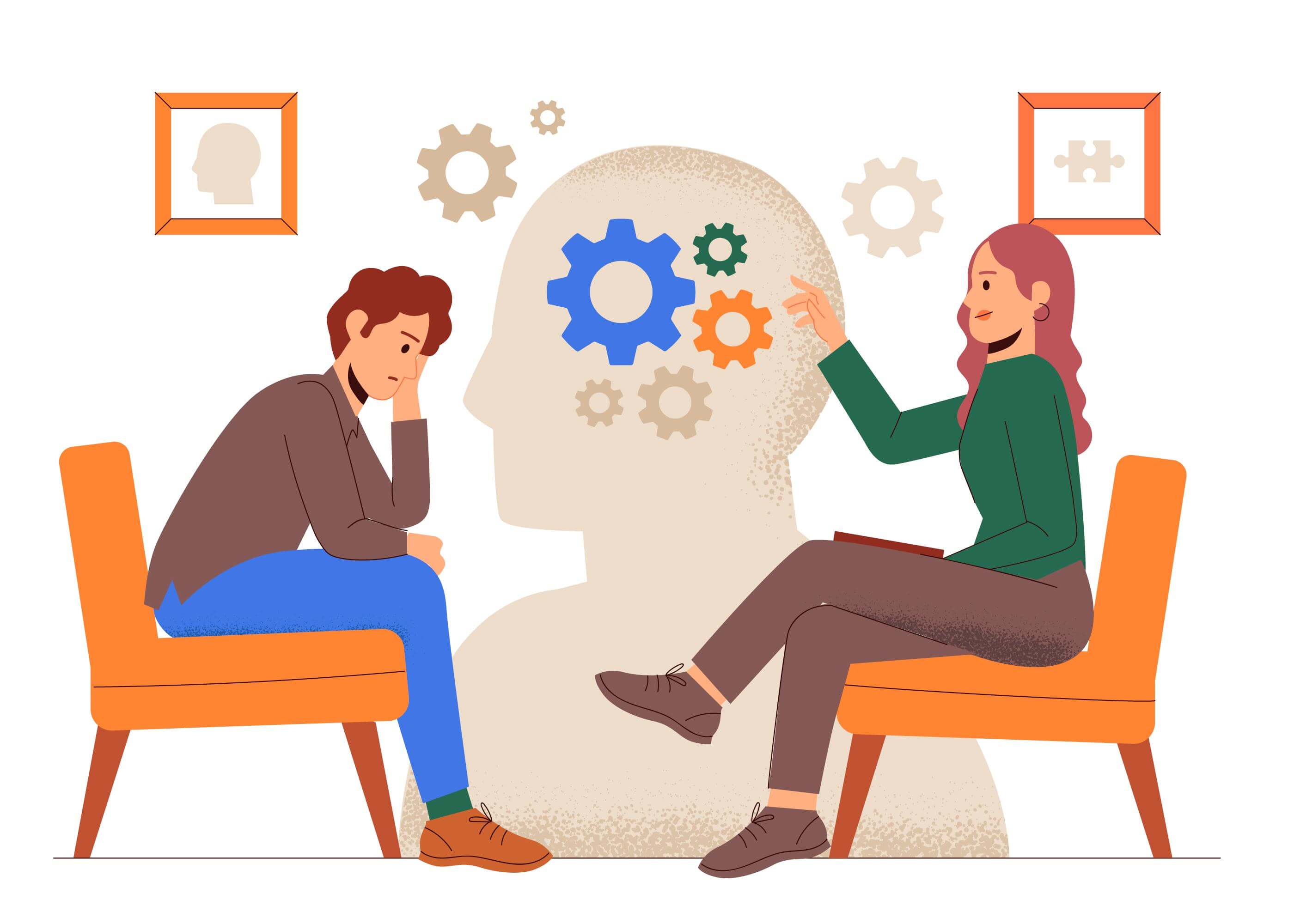
Though the medication is meant to treat the biological aspect of the schizoaffective disorder, psychotherapy helps individuals solve the psychological, behavioral, and social complications of the disorder.
→ Cognitive Behavior Therapy (CBT)
Cognitive Behavioral Therapy (CBT) has been regarded as one of the most studied treatment therapies in schizoaffective-spectrum disorders. It helps patients:
- Identify distorted beliefs that are associated with delusions or paranoia.
- Develop coping mechanisms against hallucinations.
- Change negative thinking patterns related to depression.
- Become more emotionally and problem-solving oriented.
Instead of attempting to make patients believe that they are not experiencing anything, CBT is aimed at eliminating the suffering that accompanies psychotic symptoms and enhancing the way they react to them.
Clinical trials indicate that CBT can be used to decrease the degree of symptoms and the probability of relapse in cases of medication therapy.
→ Supportive Therapy

The supportive therapy offers continuous emotional support and assists people in developing resilience during the challenges of chronic mental illness.
The common areas of concentration in this kind of treatment include:
- Identifying daily coping mechanisms.
- Enhancing self-esteem and self-sufficiency.
- Solving social isolation or stigma.
- Enhancing stress efficacy
The supportive therapy is particularly useful in the recovery phases when people are trying to restore the routines, relationships, and personal objectives.
→ Family Therapy
Family therapy plays a significant role in the long-term management of schizoaffective disorder, depressive type. This is because members of the family usually form a support system for the patient.
Family therapy can achieve this by educating and communicating with relatives:
- Learn about psychotic and depression symptoms.
- Be able to notice the signs of relapse.
- Minimize workplace tension and discord in the home.
- Promote medication compliance and treatment attendance.
Studies have indicated that family psychoeducation interventions are effective in minimizing the occurrence of relapse and hospitalization among schizoaffective-spectrum disorders.
Long-Term Lifestyle and Management!
The treatment of schizoaffective disorder, depression type, is likely to need continuous therapy and changes in lifestyle.
Effortful measures can involve:
- Constant medication compliance.
- Going to regular therapy.
- Forming healthy sleeping habits.
- Minimizing stress and drug use.
- Creation of solid social support.
- Performing standard exercise.
Schizoaffective Disorder, Depressive Type’s Risk Factors
A number of conditions can contribute to the development of the depressive type:
- Schizophrenia or mood disorder family history.
- Traumatic life experiences or chronic stress.
- Substance use disorders.
- Neurodevelopmental differences.
- Stressful environment in adolescence or early adulthood.
The factors are not certain to develop the disorder, but can make one susceptible.
Prognosis and Outlook
The prognosis of schizoaffective disorder, depressive type, is dependent on the patient. Through treatment, a good number of them can record impressive improvement in symptoms and lead normal lives.
It has been proposed that through early diagnosis and regular treatment, functional outcomes can be significantly enhanced and the rates of relapse may be lowered.
However, the aggravation of depression, social withdrawal, and hospitalization may occur due to the untreated symptoms.
Ready to Start Your Journey Towards a Stable Life? Let Health & Psychiatry Help You!

Dealing with the schizoaffective disorder, depressive type? Don’t let it ruin your life!
At Health & Psychiatry, we provide a comprehensive diagnostic examination, medication management, expert psychiatric care, and evidence-based therapies to achieve long-term recovery.
Early intervention can help individuals to have a sense of stability, address emotional problems, and establish better coping strategies in the future.
Get in touch with our team to find out more about mental health care.
FAQs
What is the primary distinction between the schizoaffective disorder, depressive type, and the bipolar type?
Schizoaffective disorder depressive type is characterized by episodes of major depressive, while the Schizoaffective disorder bipolar type, has manic or hypomanic episodes as well as by psychotic symptoms.
Is schizoaffective disorder depressive type, rare?
Yes, it is regarded as being rare. About 0.3% of the population is affected by Schizoaffective Disorder, and the depressive type makes up roughly one-third of those cases.
Does schizoaffective disorder depressive type resemble psychotic depression?
No. Psychotic symptoms do not manifest in psychotic depression, but they appear during depressive episodes. Unlike schizophrenia, in schizoaffective disorder, depressive type, hallucinations or delusions are possible in the absence of mood abnormalities.