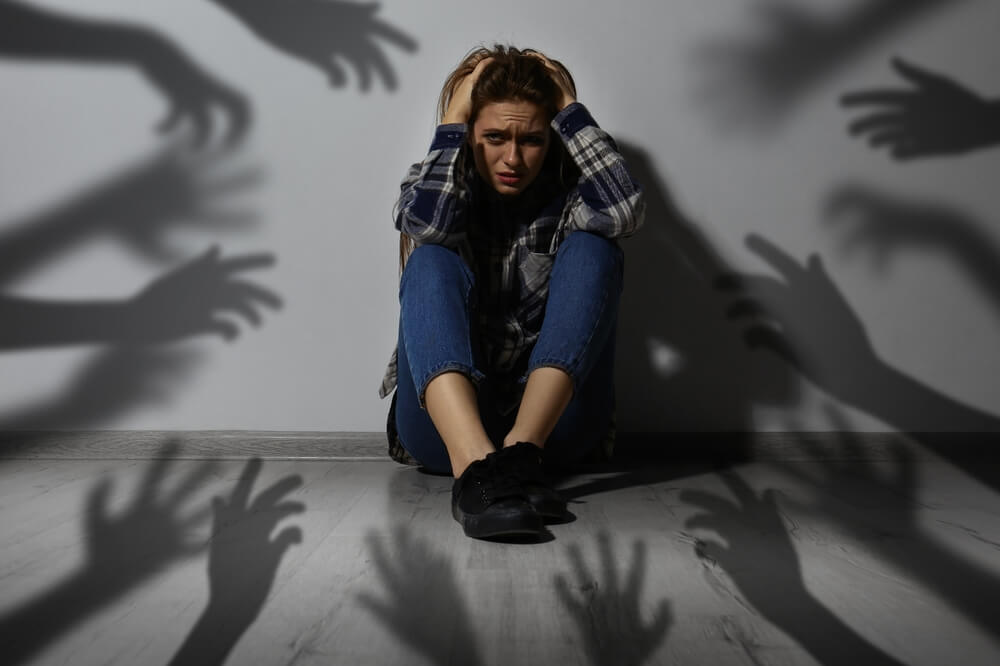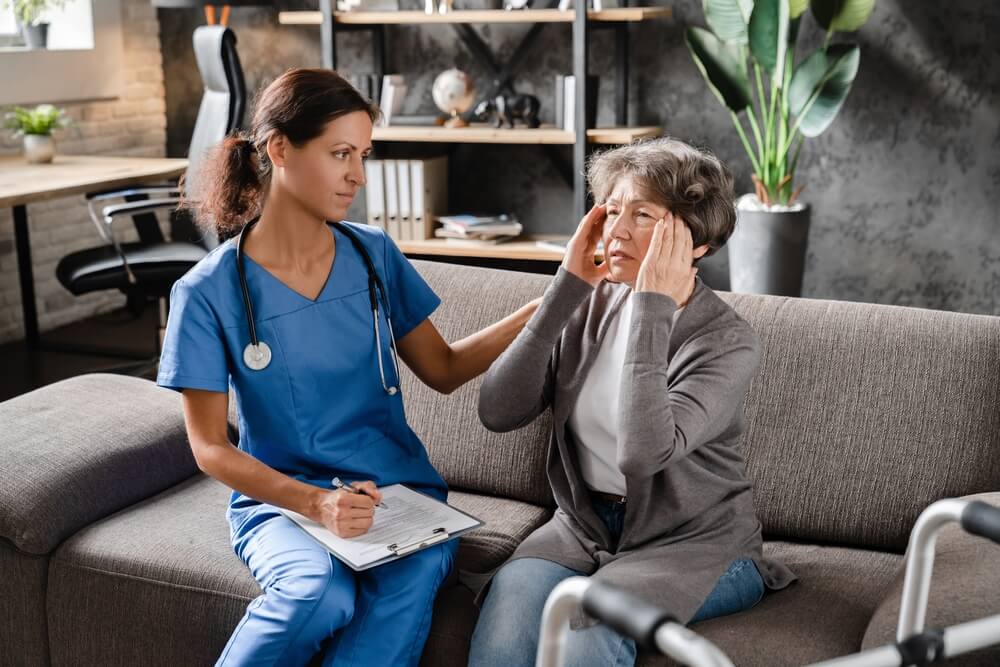
Schizophrenia is a complex mental disorder that influences the way an individual thinks, feels, and also perceives reality. Although it occurs in both men and women, studies have shown that the condition is prone to development and manifests differently depending on biological and social factors.
The World Health Organization suggests that schizophrenia is one of the most severe mental disorders in the world, with about 23 million people being affected by this disease. By way of example, women with schizophrenia, on average, tend to be a little older when they develop it than men, and can demonstrate the various symptoms and coping habits.
Let’s learn more about how this condition develops and progresses in women.
How Schizophrenia Develops in Women?
Women develop schizophrenia as a result of a mixture of genetic, hormonal, psychological, and environmental factors. There is disagreement among many experts on the fact that females can have hormonal difference especially in the role of estrogen, which could determine the way and timing of symptom manifestations.
Estrogen has been researched as possibly being a protective factor for the functions of the brain, and this may slow the onset of symptoms of schizophrenia in females relative to males. But the symptoms can escalate in times when hormonal changes take place, e.g., after giving birth, at menopause, or in case of severe stress.
The women in schizophrenia usually start slowly. The warning symptoms can be mood, social withdrawal, lack of concentration, or abnormal thoughts. In the long run, the symptoms might evolve into more explicit psychotic symptoms, including hallucinations or delusions.
Age of Onset and Prevalence of Schizophrenia in Women

Age at which symptoms emerge is one of the most conspicuous differences between men and women with schizophrenia. It has been proven that males usually have the initial episode in their late teens or early twenties, whereas females have more chances of getting the symptoms in their late twenties or at the onset of their thirties.
There is also a second peak onset later in life, especially after 40 years of age. Experts assume that this can be attributed to menopausal hormonal changes.
The National Institute of Mental Health indicates that an estimated percentage of 0.25 to 0.64 percent of the global population has been affected by schizophrenia, and the lifetime prevalence is the same whether in men or women, although onset trends vary.
Why Schizophrenia Presents Differently in the Diagnosis in Females?
The diagnosis of schizophrenic women may even be more complicated than in men. Women can exhibit less pronounced initial symptoms or greater emotion, which cannot be distinguished from other mental disorders.
Women who have schizophrenia affective disorder have a greater probability of:
- Suffer mood-related symptoms and psychosis.
- Sustain social relations at an earlier age.
- Earlier consultation of mental health services compared to men.
In some cases, delayed or misdiagnosis may be caused by these factors. Before mental health professionals make a confirmation of the diagnosis, they usually have to consider a mix of behavioral, cognitive, and emotional changes over time.
Signs and Symptoms of Schizophrenia Affective Disorder in Women

There are usually three major categories of signs of women with schizophrenia. Although most of the symptoms are similar to those exhibited by men, females can report differences in the expression of emotions, the timing, or their intensity.
→ Psychotic Symptoms
The psychotic schizophrenia symptoms in women, or positive symptoms, refer to behaviors that are unusual and not observable in normal situations. These entail experiences that include abnormal perceptions or beliefs about the reality of an individual.
- Hallucinations, including hearing voices that do not exist.
- Delusions or firm convictions.
- Paranoia or distrustful thinking.
- Disorganized speech or inability to express thoughts clearly.
- Abnormal or erratic behavior.
→ Negative Symptoms
Women with schizophrenia symptoms indicate impaired normal emotional and behavioral functioning.
- Poor motivation or loss of interest in day-to-day activities.
- Family and social withdrawal.
- Problems with emotion or emotional flatness.
- Decreased pleasure-seeking capacity.
- Reduced energy levels.
→ Cognitive Symptoms
These signs of schizophrenia in women influence thinking, memory and processing of information.
- Difficulty focusing or paying attention to work.
- Memory issues, particularly with daily information.
- Weak decision-making.
- Difficulty with the organization of thoughts or the organization of activities.
- Poor information processing speed.
Risk Factors for Schizophrenia in Women
→ Biological Factors
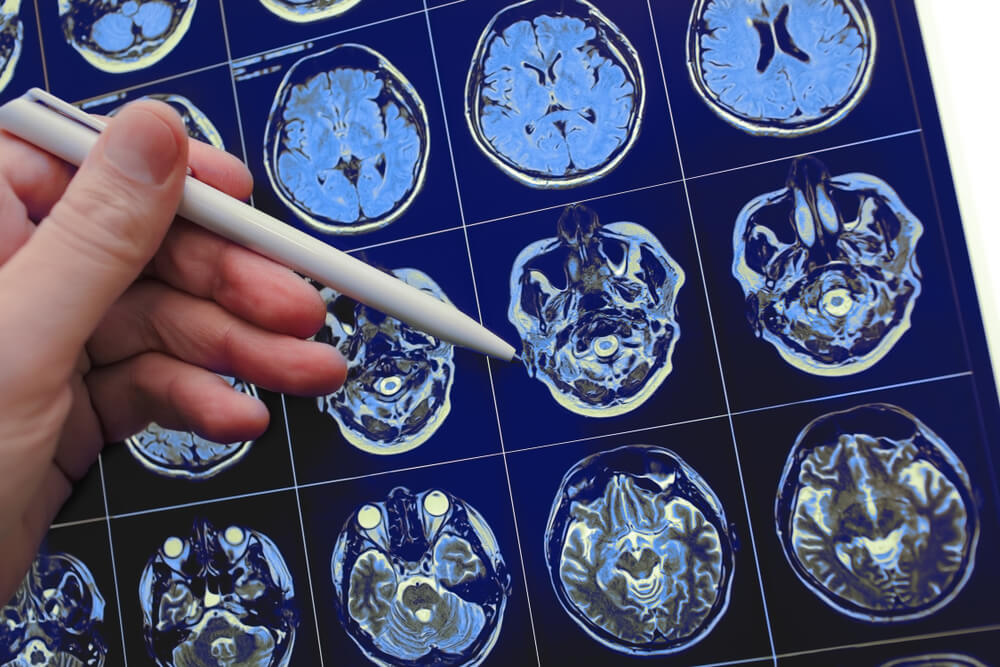
Schizophrenia has a significant genetic influence. There is a risk among women who have a family history of schizophrenia or other psychotic disorders. The brain chemistry and structure also play a role in the way the disorder develops.
Another significant biological factor is hormonal impacts. The severity and progression of the symptoms could be influenced by estrogen changes during life.
→ Psychological Factors
Women may develop schizophrenia or a severe condition due to stress, trauma, and emotional distress. The vulnerability psychologically can be amplified when significant life changes occur or when one has gone through traumatic events.
→ Environmental and Social Factors
Environmental factors are also a major factor. Social isolation and the use of substances, urban living conditions, and early childhood adversity are some of the factors associated with increased risk.
It has been shown that environmental stress combined with genetic vulnerability greatly contributes to the risk of developing schizophrenia.
The Connection Between Schizophrenia and Women's Mental Health
Women show a tendency to intersect schizophrenia with some mental health issues. There are also increased rates of depression, anxiety, or trauma related disorder in women with the disorder.
Symptom patterns may be affected by hormonal life events like pregnancy, postpartum periods, and menopause. Women also report having a relapse of symptoms after giving birth because of hormonal balance and sleep disturbance.
Do You Need Professional Help?

It is difficult to identify that the symptoms require professional assistance, especially during the early stages of schizophrenia. However, it has certain warning signs.
The continued occurrence of hallucinations, odd beliefs, abrupt personality shifts, and severe isolation of the family and social life are grave indicators that the mental health assessment may be due.
This early treatment is vital after determining when women develop schizophrenia. When the symptoms begin to affect normal life, working, relationships, or safety, one will have to seek professional help.
Treatment of Schizophrenia in Women
Intervention of schizophrenia in women of a certain age is typically a combination of medicine and psychotherapy, and therapy is vital in enabling the female counterparts to cope with daily life and emotional difficulties.
→ Medication
The doctors initiate treatment with antipsychotic schizophrenia medication to help lessen the symptoms of schizophrenia in women, like hallucinations, confusion in thoughts, or delusions. Nevertheless, medication can, as a rule, not be sufficient, and therapy is incorporated as a part and parcel of a long-term recovery.
→ Psychotherapy
Psychotherapy enables the woman to be in control of her thoughts, emotions and responses to stressful situations. Cognitive behavioral therapy can be the best therapy for schizophrenia as the woman is taught to follow the practical methods of coping with disturbing thoughts and minimize the effects of the symptoms.
Women are also provided with a safe place to discuss their experiences, fears, and challenges during the therapy sessions, which will eventually help them to be more emotionally stable and confident.
→ Family Support

Therapy that includes family members is another significant consideration of treatment and help for schizophrenia. When the families learn more about mental illness, schizophrenia, they can more readily support and provide a more relaxed and compassionate setting at home.
→ Daily Routine and Life Skills
Many of the programs are also beneficial to many women who are centered on restoring daily routines and life skills. These programs assist females with signs of schizophrenia in females by regaining independence, enhancing social interactions, and gradually resuming work, education, or other duties.
Throughout their lives, regular and repeated therapy and mental care can be significant in enabling women to lead a more balanced and stable life, managing their schizophrenia.
Life Challenges for Women with Schizophrenia

Female schizophrenia patients are also subject to special life issues that are not directly connected to manifestations. It may be particularly hard to balance relationships and parenting, to work, and to cope with social stigma.
Most of the women are also hampered by late diagnosis or the absence of mental health facilities. In other instances, the symptoms can be misinterpreted or rejected at the initial stages.
Regardless of these obstacles, there are numerous women who are able to cope with the condition through regular treatment, a system of reliable support, and continued mental health support.
Treating Women with Schizophrenia at Health & Psychiatry - Trusted Schizophrenia Treatment Center in Florida!

Health & Psychiatry is a clinic where women with schizophrenia can be offered specialized care aimed at meeting their specific mental health needs. Our teams of professional schizophrenia psychiatrists are concerned with diagnosis at early stages, evidence-based treatments, medication management, and post-discharge recovery.
Our facility in Florida realizes that females with mental illness schizophrenia need treatment options that account for hormonal, emotional, and life duties.
Women can feel stable and enhance their living conditions with the help of humane care and individual schizophrenia outpatient treatments.
In case you or someone you love is having the symptoms of schizophrenia, contacting a mental health provider for therapy for schizophrenia that you can trust may be the starting point of recovery.
Contact NOW to get started with individual or family therapy for schizophrenia!
FAQs
Is schizophrenia hereditary?
Yes, genes are a risk factor in schizophrenia. If you have a family history of this or other psychotic disorders, you’re at risk.
Does schizophrenia affect women differently from men?
Yes, women develop schizophrenia when they’re in later thirties or older. However, men get the first onset or early signs of schizophrenia in their teens or twenties.
How does the onset of schizophrenia differ between males and females?
Males typically develop schizophrenia earlier, often in late adolescence, while schizophrenia onset in women usually occurs in their late twenties or early thirties, with a possible second peak later in life.
Is schizophrenia curable?
Schizophrenia is not currently curable, but it is treatable. Many people manage early signs of schizophrenia in females successfully with medication, therapy, and supportive care.