Millions of people use substances across the world, and early detection is a major factor in good treatment. The National Institute on Drug Abuse reports that approximately 20.4 million individuals in the United States had a substance use disorder in 2019, but not all of them received substance use disorder treatment.
The substance abuse evaluation becomes a common initial step to the identification of the issue and the appropriate care plan.
This assessment is needed by a court, employer, school, or healthcare provider to enable professionals to be familiar with the substance use and mental health history of a person. It is also the one that determines the degree of care required, whether it is counseling or rehabilitation programs.
What Is a Substance Abuse Evaluation?

A substance abuse assessment is a programmed examination performed by qualified persons to find out whether an individual has a substance use disorder and the degree of substance abuse treatment that they might require.
In the assessment, the clinicians gather data regarding:
→ Drug or alcohol use history.
→ Physical and mental health.
→ Family and social background.
→ Risk factors and lifestyle habits.
The substance use evaluation usually involves the application of standardized screening measures, like the AUDIT (Alcohol Use Disorders Identification Test) or some clinical questionnaires suggested by addiction professionals. These are the tools that can be used to develop an evidence-based evaluation instead of a Mark of guesses.
When Is a Substance Abuse Evaluation Necessary?

According to research, screening and substance abuse evaluation are critical in determining the severity of substance use and referral to the right level of substance abuse treatment in Florida.
Several cases might necessitate a substance abuse assessment. It is sometimes voluntary, as people seek it, and sometimes it is obligatory.
Common situations include:
- Court-requested post-DUI/drug offenses addiction evaluations.
- Professional or work licensing regulations.
- Discipline cases in school or university.
- Doctor or therapist medical referrals.
- Family apprehensions.
When the use of substances starts having an impact on physical health, mental health, or relationships, healthcare providers can also prescribe an evaluation.
Research indicates that early substance use disorder evaluation enhances the chances of successful recovery interventions, particularly when the intervention is done before the addiction is so severe.
Types of Substance Abuse Evaluations
Some types of substance abuse evaluations include the following:
→ Clinical Evaluation: It is conducted by addiction specialists, psychologists or psychiatrists in the identification of treatment requirements.
→ Court-Ordered Evaluation: This alcohol evaluation test can be necessitated by a legal alcohol or drug-related incident. Such assessments are aimed at risk assessment as well as rehabilitation advice.
→ Employment or Professional Assessment: Certain lines of duties demand post-workplace substance abuse or security assessments.
→ Adolescence or Student Assessment: When it is suspected of substance use among the students, schools may, in some cases, require the use of assessments.
Every kind of substance abuse evaluation online or onsite is still guided by professional rules and standardized screening procedures to guarantee accuracy.
The Substance Abuse Evaluation Process
The steps are different in a few ways depending on the provider; however, most drug and alcohol evaluations have a common structure.
1. Interview

The clinician will first carry out a personal interview. This alcohol and substance abuse evaluation includes the history of substance use, whether it is used regularly or not, what triggers it, and what past alcohol and substance abuse treatment efforts have been made.
The professional can also enquire about stress, trauma, and mental symptoms.
2. Screening Questionnaire
Second is screening questionnaires and tools. The tools evaluate the severity and potential dependency of substance use.
Psychological assessments are also some of the assessments offered since substance use disorders are frequently comorbid conditions, such as anxiety or depression.
3. Medical History or Lab Analysis
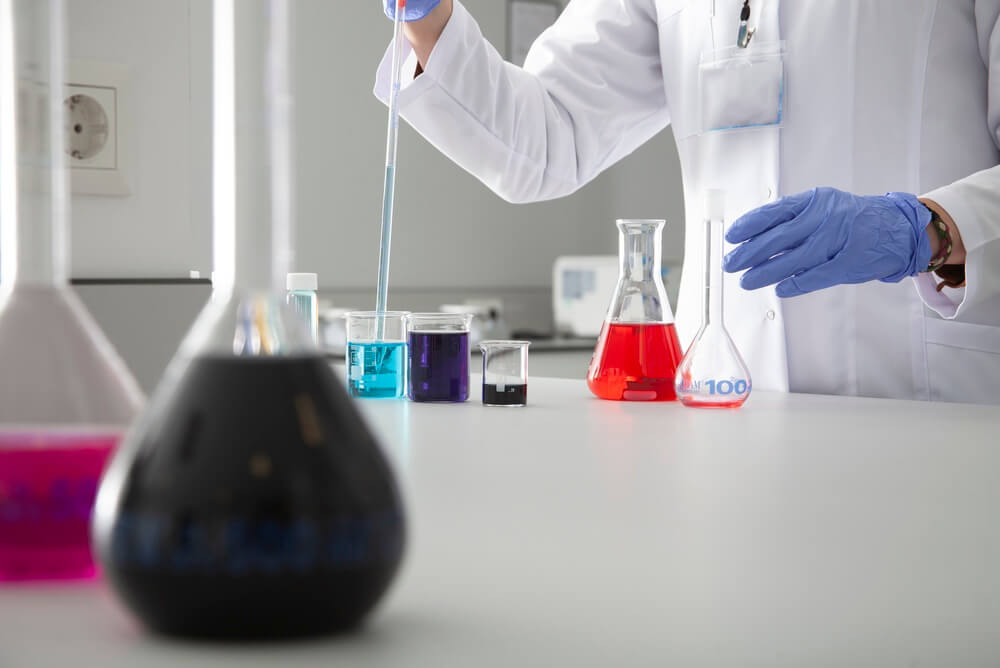
In some instances, clinicians could order medical history or laboratory analysis to know the physical effects of using substances.
The World Health Organization suggests that screening and short interventions at healthcare facilities are efficient methods of detecting risky substance consumption and minimizing harm.
How to Prepare for a Substance Abuse Evaluation?
The substance use evaluation process can be made easier and more precise by preparing for it.
→ Prior to the assessment, some general data, including medical history, past treatment, and medication list, should be collected. It is also essential to be mentally ready to share personal experiences.
→ In the assessment, integrity is paramount. Evaluators do not judge; they aim at interpreting the situation and prescribing the appropriate support. Getting the right information on substance use habits will enable clinicians to make more effective treatment prescriptions.
→ Successful self-reporting enhances diagnostic reliability and treatment plans, which ultimately result in improved outcomes in the area of addiction treatment.
What Happens After the Evaluation?
After the substance abuse assessment is done, the clinician goes through all the information obtained in the interview process, questionnaires, and any screening instruments. On this assessment, they develop an elaborate report describing their substance use patterns, the level of risk, and whether the patient has a substance use disorder diagnosis.
Further Recommendations on Substance Abuse Evaluation and Treatment
This is followed by a recommendation of the most suitable level of care by the evaluator. In certain individuals, it can be in the form of education programs or outpatient counseling, where others can receive structured care in the form of outpatient intensive programs or residential rehab. These suggestions are based on the clinical guidelines in planning the treatment of addictions.
In case the assessment was demanded by a court, employer, or other legal body, the report can also be provided to the organization that requested it. But still, there is no violation of confidentiality, and only the necessary information is usually provided.
Benefits of a Substance Abuse Evaluation!

→ Early Recognition of Substance Use Problems
Evaluation is used to identify problematic substance use at an earlier stage. At an earlier stage, people can find support and minimize the risks of health problems in the long term.
→ Individualized Treatment Planning
The situation of every person is different. Assessments are beneficial because they can guide practitioners to prescribe treatment that is commensurate with the degree of substance use and individual conditions.
→ Improved Awareness of the Mental Health Factors
The use of substances usually coincides with anxiety, depression, or trauma. The assessment assists in establishing these underlying issues in order to manage them jointly.
→ Improved Recovery Outcomes
When people are treated according to adequate evaluation, they tend to adhere to the stay programs and to reach the long-term outcomes.
Are There Risks to a Substance Abuse Evaluation?
Assessment of substance abuse is typically safe and confidential, although some may not be comfortable talking about their personal habits or mental health history.
In very few instances, individuals fear their privacy or legal implications, particularly the court-ordered evaluation. Nevertheless, certified practitioners are guided by strict codes of confidentiality and ethics.
All in all, the potential risks of the lack of such understanding of the substance use patterns and the lack of proper treatment recommendations are insignificant in comparison to the benefits obtained.
Where Can You Get a Substance Abuse Evaluation?
There are a number of kinds of providers of substance abuse assessment. The process starts with many individuals visiting mental health clinics, addiction treatment centers, or hospitals.
Evaluations are also available through:
- Certified psychologists or psychiatrists.
- Licensed alcoholism counselors.
- Health organizations in the community.
- Special addiction treatment centers.
Telehealth assessment currently exists in some clinics, and one can easily undergo a chemical dependency evaluation online without invading privacy and comfort.
Get a Substance Abuse Evaluation and Start Alcohol Abuse Treatment in Florida with Health & Psychiatry!

Getting a professional assessment is a crucial sign of progress towards recovery in case you are struggling with alcohol or drug use.
At Health & Psychiatry, licensed practitioners offer confidential substance abuse assessments that aim at determining the appropriate treatment modality. You can also get a virtual substance abuse evaluation and telepsychiatry services at our substance use treatment centers.
Early intervention is a step that can lead to a great change in the health and well-being in the long term. Visit our substance abuse treatment center in Florida!
FAQs
What is a substance abuse evaluation?
A substance abuse assessment is a professional assessment that is used to assess the presence of substance use disorder in a person, as well as the kind of treatment that they might require.
What is the duration of a substance abuse assessment?
The majority of the evaluations are done within 60-90 minutes but depending on the case, some are done in more than one session.
Is it possible to conduct a substance abuse assessment online?
Yes. Telehealth substance abuse assessments have become available at the expense of numerous licensed providers, which means that patients can use this method at home and ensure the information remains confidential.