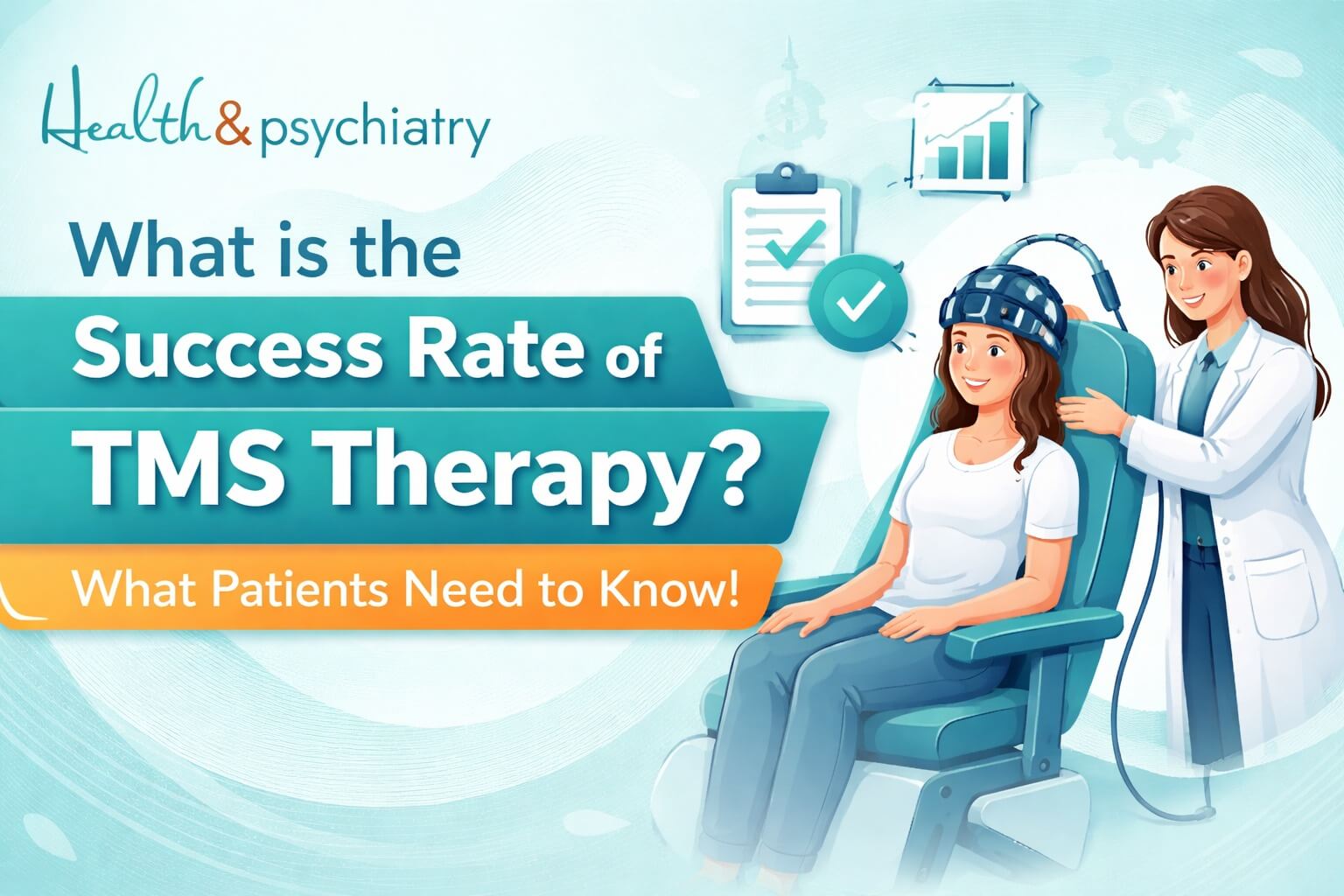
TMS therapy is a medical procedure that uses magnetic pulses to stimulate specific areas of the brain that are underactive in conditions like depression.
Over 1 in 5 adults lives with a mental illness in the U.S.A. Most people rely on medication and therapy to alleviate its effects on their daily lives. However, sometimes the mental health condition is too severe to be managed by mere counselling sessions or medications alone.
It is known as treatment-resistant mental illness. This is where TMS comes in, also known as Transcranial Magnetic Stimulation or TMS therapy.
It is a non-invasive, FDA-approved treatment for patients with depression, OCD, addiction, and other mental health issues.
When all hope seems lost and the individual suffering is unable to find a way out from the horrid condition that is mental illness, TMS emerges as an effective solution for long-lasting relief.
What is TMS Therapy?
TMS therapy is a non-invasive, FDA-approved procedure. Transcranial Magnetic Stimulation for depression, OCD, and addiction is successfully used in mental health care centers. As the name suggests, it uses magnetic pulses to stimulate specific areas of the brain associated with mood regulation.
TMS therapy is often considered the last resort for TRD, i.e., treatment-resistant depression. When antidepressant medications and therapy do not show any progress in patients with depression.
rTMS or repetitive TMS is the most common type of treatment, involving the transfer of magnetic pulses in rapid series.
Other types include Deep TMS for deeper brain regions, Theta Burst Stimulation (TBS), and Accelerated TMS (aTMS).
What Is the Success Rate of TMS Therapy?
→ The benefits of TMS therapy show strong results for individuals with depression. Especially those who have not responded to medication. Clinical studies indicate that upto 70% of patients experience a meaningful improvement in symptoms
→ Around 30–35% of patients achieve full remission… where symptoms of Major Depressive Disorder are nearly or completely resolved.
→ In treatment-resistant depression (patients who failed medications), a meta-analysis found that:
- Upto 40% responded to TMS therapy.
- ~36% achieved remission, significantly higher than placebo outcomes.
→ Earlier randomized controlled trials (more conservative estimates) reported:
- 29.3% response rate
- 18.6% remission rate, still demonstrating clear effectiveness compared to sham treatment.
However, TMS therapy success rate can vary depending on individual factors, such as severity of symptoms, treatment consistency, and overall health.
What Does “Success” Mean in TMS Therapy?
Transcranial magnetic stimulation is more of a diagnostic and/or therapeutic procedure. In Transcranial Magnetic Stimulation, “success” is not just about feeling better… it is measured using specific clinical outcomes:
→ Response (Significant Improvement). This means a 50% or greater reduction in symptoms of MDD: Major Depressive Disorder. Patients often notice betterment or improved mood. Along with better sleep and increased daily functioning.
→ Remission (Near or Complete Recovery). This is considered the ideal outcome… where symptoms are minimal or no longer interfere with daily life. Patients may feel like they’ve returned to their “normal self.”
→ Sustained Improvement. Success also includes how long the results last? Many patients maintain benefits for months after treatment. Especially with proper follow-up care.
→ Improved Quality of Life. It is beyond symptom scores; success is reflected in better relationships. Better work performance with overall well-being.
Factors That Affect the TMS Therapy Depression Success Rates
There are several factors that play a role in whether TMS therapy will be successful in a patient with depression. These include:
Severity
Patients with moderate depression are expected to respond better to the treatment than those with severe, long-term conditions.
Consistency of Treatment
TMS therapy success rate and effectiveness largely depend on the consistency with which the patients attend treatment sessions. Patients are usually called in five days a week for 6-7 weeks for TMS sessions effective results therapy.
Medical History
If the patient has had fewer failed experiences with antidepressants or therapy, they are more likely to respond well to TMS therapy.
Lifestyle and Support System
Treatment outcomes are significantly enhanced for patients who adopt healthy lifestyle habits and have strong emotional support around them.
Co-existing Conditions
The overall success rate of TMS therapy is also influenced by the co-existence of multiple mental health conditions.
How Long Do TMS Results Last?
The results of TMS therapy can last for several months to over a year, depending on the state of the individual. Patients are usually recommended to continue receiving psychotherapy along with lifestyle changes to experience long-term relief from symptoms of depression.
However, patients may also be required to attend maintenance sessions in case of the return of symptoms in complicated situations.
What Happens if TMS Doesn’t Work?
Though the effectiveness of TMS is well-documented in patients with depression, some individuals may struggle to achieve the desired results even after multiple sessions.
Like every other mental health treatment, TMS is not always one-size-fits-all, and patients may benefit from personalization of their plan.
In such cases, patients can reach out to their medical practitioner to find a middle ground by either adjusting the TMS therapy plan or exploring alternative treatment options:
→ Adjusting the TMS Treatment Plan
Your healthcare professional might modify the treatment approach, such as change the stimulation intensity, target area of the brain, or number of sessions to increase its effectiveness.
→ Combining TMS with Psychotherapy
TMS essentially targets brain activity in a patient; pairing it with talk therapy, such as cognitive behavioral therapy, might enhance results by helping them develop coping strategies.
→ Exploring Alternative Treatments
A mental health professional might lay out other options such as medication adjustments or other kind of therapies if TMS fails to show desired results in patients.
Real Patient Experiences with TMS Therapy-Success Story
The success stories of TMS therapy are many. Each one gives more hope than the last. One such story is that of Sarah, a 34-year-old professional diagnosed with depression over 10 years ago.
TMS therapy was suggested to her by her mental health professional. This was when medication and psychotherapy did not work enough. At first, Sarah was hesitant. She decided to try it. It worked out well for her.
She started to feel better in the few weeks of treatment. Nights that used to be tough with depression became easier to sleep through. During the day, she felt more energetic. She could focus on her work. She was able to reconnect with her friends. She could enjoy activities without feeling down.
By the end of her treatment, Sarah felt more like her old self. Her story reflects what many patients experience with TMS. The improvement might be slow. It might feel like a chore at times. The results make it worth trying.
Get Expert-Guided TMS Therapy Care in Florida at Health & Psychiatry!
The sophisticated nature of TMS therapy requires supervision of a qualified healthcare provider to achieve the best outcomes. An expert in the field can guide you through a comprehensive treatment plan that is tailored to each patient’s needs for maximum effectiveness.
At Health & Psychiatry, we are equipped with personalized mental healthcare & TMS therapy plans designed to help patients overcome depression safely and effectively. Our experienced team is at your disposal throughout your recovery journey.
Better mental health is the way forward. Contact Health & Psychiatry today to learn more about TMS therapy and find out if it’s the right treatment for you.
FAQs
Does TMS therapy provide permanent results?
The longevity of TMS results depend on individual factors; it typically lasts for months or longer. However, some patients may need maintenance sessions if symptoms return.
Is TMS therapy safe?
Yes, TMS is a safe, non-invasive treatment approved by the FDA, with minimal side effects.
Can TMS replace antidepressants?
The treatment plan depends on doctor’s advice. In some cases, TMS does reduce or eliminate the need for antidepressants.
How many sessions are needed?
Most patients require about 20-35 sessions or more (as suggested by tms therapy specialist/psychiatrist) over 6 weeks to achieve optimal results.