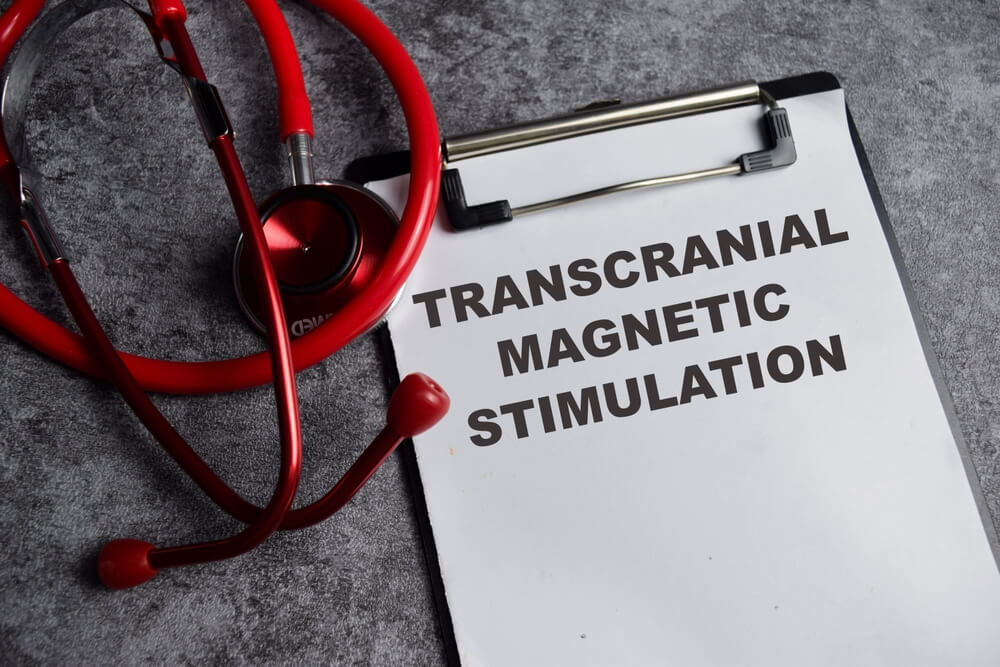
In case have you tried multiple treatments for your depression without any success? Or it may feel like you have run out of options. TMS therapy is for you!
Transcranial magnetic stimulation (TMS) offers relief as it is approved by the FDA and is non-invasive. It has become a trusted treatment for patients with treatment-resistant depression and other mental health conditions.
TMS therapy is safe. It is well-tolerated and performed while you are fully awake. Allowing you to return to your daily routine immediately after each session.
What is TMS Therapy?
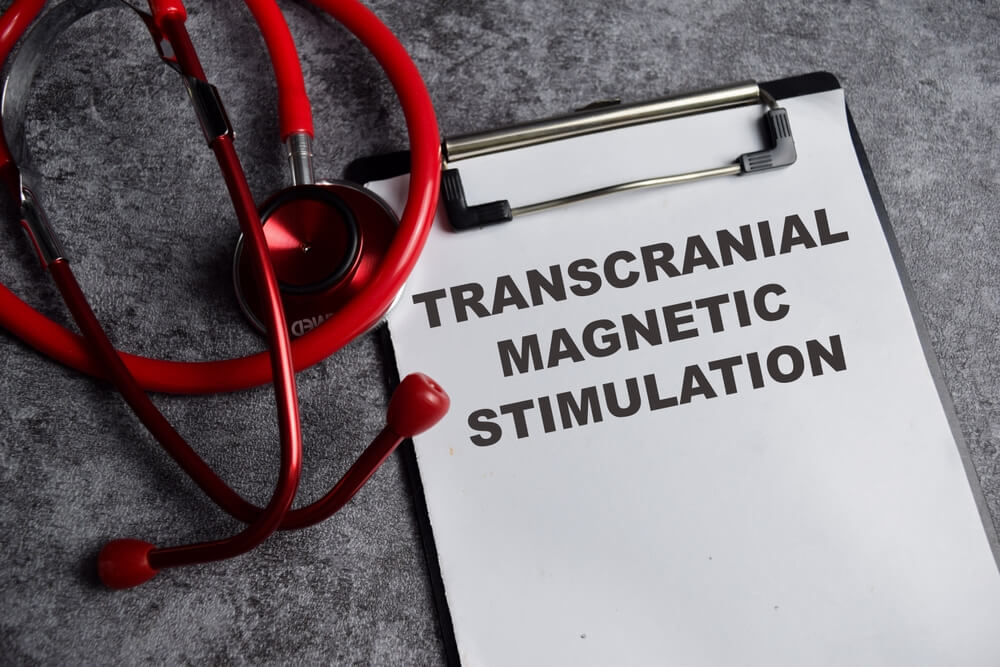
Transcranial Magnetic Stimulation (TMS) is a non-invasive procedure. It uses magnetic fields to stimulate specific areas of your brain. It is like a highly targeted tune-up for your brain's neural circuits. Unlike medications that affect your entire body. TMS targets specific brain regions associated with mood regulation.
The procedure involves placing an electromagnetic coil against your scalp. It then delivers magnetic pulses. Those pulses stimulate nerve cells in the targeted brain area. These pulses are similar in strength to those used in MRI machines. They work by generating small electrical currents. That can help "reboot" underactive areas of the brain.
What makes TMS therapy particularly appealing? It is what it does not involve!
As it does not involve any incisions, no surgery, no anesthesia, and no systemic side effects like you could experience with medications. During TMS therapy, you are awake and alert! Yes. During the entire procedure and you can return to your normal activities immediately afterward.
What are the Types of TMS Therapy?
The FDA approved transcranial magnetic stimulation for depression in 2008. Since then, it has evolved.
Today, several types of TMS therapy are available. The TMS psychiatrist evaluates the patient’s condition and diagnoses the suitable type.
The most common types of TMS therapy are:
→ Repetitive TMS (rTMS). This is the most common form ot transcranial magnetic stimulation therapy. It involves delivering regular and repeated pulses to the targeted brain area.
The treatment sessions typically last 10-40 minutes (varies). Patients undergo daily sessions (5 days a week) for several weeks.
→ Deep TMS (dTMS). This uses a specialized coil for TMS therapy. So that it can reach deeper brain structures. Deep TMS is particularly useful for treating mental conditions that involve deeper brain regions. It has shown promising results for treating obsessive-compulsive disorder.
→ Theta Burst Stimulation (TBS). A newer and faster form of TMS. It involves delivering pulses in a specific pattern. These patterns mimic the natural brain rhythms.
Sessions can be as short as about ten minutes, making this treatment more convenient.
→ Accelerated TMS. This intensive protocol involves multiple TMS sessions per day. Or as suggested by tms psychiatrist. It compresses weeks of treatment into just a few days. And is particularly helpful for people who need rapid symptom relief.
Why is TMS Done?
Transcranial magnetic stimulation treatment was initially developed to help people with treatment-resistant depression. It is for those who have failed to get relief from multiple antidepressant medications or therapy.
However, its applications have expanded significantly…
The primary reason someone might be suggested about TMS therapy is when traditional treatments are not working for them.
How TMS Process Work?
The TMS procedure uses targeted magnetic pulses to stimulate specific areas of the brain involved in your mood regulation. These magnetic fields pass safely through your skull. They create small electrical currents that activate underactive neurons.
Over multiple sessions, this stimulation strengthens neural connections. It promotes neuroplasticity. Helping the brain function more effectively. While results aren’t immediate! But most patients begin noticing improvement within two to three weeks of consistent treatment.
What are the Conditions TMS Can Treat?
TMS is best known for treating MDD (major depressive disorder). Although research has demonstrated its effectiveness for several other psychiatric conditions:
1. Major Depressive Disorder (MDD). Treatment-resistant depression and major depressive disorder sre the primary FDA-approved uses for TMS therapy.
2. Obsessive-Compulsive Disorder (OCD). Deep TMS received FDA approval for OCD in 2018. Offering new hope for those with severe symptoms.
3. Anxiety Disorders. There is no official FDA approval for transcranial magnetic stimulation for anxiety. But many studies show TMS can reduce anxiety symptoms. Often as a secondary benefit when treating depression.
4. Post-Traumatic Stress Disorder (PTSD). Research indicates TMS may help reduce PTSD symptoms, with clinical trials about TMS for OTSD are ongoing.
5. Smoking Cessation. FDA approves TMS for smoking cessation treatment. Some clinics use TMS to help people quit smoking by targeting brain regions involved in addiction and cravings.
Emerging research is exploring TMS for conditions like chronic pain, migraines, Alzheimer's disease, and even stroke rehabilitation. The field continues to expand as we better understand how targeted brain stimulation can promote healing and function.
Who is a Good Candidate for TMS Treatment?
Like any other mental treatment, TMS is also not for everyone! But you might be a good candidate if you:
→ Have been diagnosed with major depressive disorder or OCD.
→ Haven't responded adequately to at least two antidepressant medications.
→ Experience intolerable side effects from psychiatric medications
→ Prefer a non-medication approach to treatment!
→ Can commit to daily treatment sessions for several weeks.
However, certain factors may disqualify you from TMS treatment.
The most important contraindication is having metal implants in or near your head (excluding dental fillings), such as:
- Cochlear implants
- Aneurysm clips or coils
- Metallic fragments near the treatment area
- Deep brain stimulators
- Vagus nerve stimulators
→ Having a history of seizures requires careful evaluation. TMS can lower the seizure threshold in rare cases.
→ Pregnancy is also typically considered a contraindication due to limited safety data.
At Health & Psychiatry Clinics, we conduct a thorough evaluation to determine if TMS is appropriate for you… Taking into account your complete medical history and treatment goals. Then our expert psychiatrists suggest the most suitable and effective plan for you.
Contact us NOW to discuss your mental health and get a better version of yourself under expert care!
What are the Benefits of TMS?
The advantages of TMS are compelling…
First and foremost, it works. Studies show that about 50-60% of people with treatment-resistant depression experience significant symptom improvement. And about one-third achieve complete remission. Other benefits are:
- It is an FDA-approved, non-invasive treatment.
- Effective for treatment-resistant depression and OCD.
- No anesthesia or surgery required.
- No systemic medication side effects: weight gain, sexual dysfunction, sedation.
- Well-tolerated with minimal discomfort.
- No downtime. You can resume daily activities immediately.
- It offers long-lasting symptom relief for many patients…
What are the Potential Side Effects of TMS?
There are no major side effects reported. The most common TMS side effect is scalp discomfort. Or sometimes the headache occurs during or after treatment.
Some people experience:
- Tingling or facial muscle twitching during treatment.
- Temporary sensitivity at the treatment site.
- Lightheadedness (rare).
Serious side effects are extremely rare. But it can include seizures (less than 0.1% of patients).
What to Expect Before, During, and After TMS Sessions?
→ Before Treatment: Preparation. What Happens First?
1. Clinical Evaluation & Eligibility
Your TMS treatment starts with a clinical evaluation by a psychiatrist or trained provider.
It will include:
- Review of your mental health history.
- Assessing your previous treatments (e.g., antidepressants tried and their effects).
- Discussing your goals and expectations.
- Screening for contraindications. Such as metal implants, pacemakers, cochlear implants, or a history of seizures.
2. Medical & Safety Screening
Before your initial session, you undergo some medical checks. It is to ensure safety and appropriateness. The check-up includes basic physical exams and discussions about other health conditions.
3. “Mapping” Session
Your first visit typically includes a motor threshold mapping session.
During this process:
- A coil is placed against your scalp
- Some magnetic stimulation is applied at different sites.
- Your technician/clinician observes minimal movement. Like moving a thumb or finger twitch.
- It is to determine the precise strength and location for effective treatment.
So, the first session takes a bit longer than routine treatments. But it’s crucial for personalization of tms therapy.
Tip: Before sessions, try to limit excessive caffeine intake. Try to stay relaxed. It will help minimize anxiety or overstimulation.
During Treatment: What You Will Experience
1. Set-Up
Your session room is comfortable and is set up with a recliner or chair in a treatment room. You will be given ear protection. Earplugs or headphones to protect your ears. Because the machine generates loud clicking sounds as magnetic pulses are delivered.
2. Sensation & What You Feel
Once the machine is activated, you will hear clicking sounds. It is because of a series of clicks. You will also feel a rhythmic sensation of tapping against your scalp.
This sensation is described by most people as uncomfortable but tolerable. In many cases, it is said to be similar to a tapping or light vibration. Some people feel mild scalp discomfort that usually lessens over time.
But the good part is your depression is getting treated, and meanwhile, you stay fully awake and alert during treatment, and you can read, listen to music, or simply relax.
3. Session Duration
Duration varies. Your single session can last for 10-40 minutes. Depending on the protocol used. Newer pulse techniques (e.g., intermittent theta burst stimulation) can be as short as 3.5 minutes.
4. Common Sensations & Minor Side Effects
You may experience:
- Headache, usually mild
- Soreness in the scalp.
- Twitching of facial muscles or a tingling sensation.
- Lightheadedness or dizziness.
- Mild discomfort where the coil touches your head.
These side effects are generally mild. They are short-lived and are manageable. Our experienced TMS providers at Health & Psychiatry closely monitor your sessions. Thye adjust treatment settings as needed to ensure your comfort.
After Treatment: Recovery and Daily Life
Once each session ends, you can return to your normal daily activities immediately. It may include driving, working, exercising, or social plans. There’s no recovery period or sedation effect.
Some people may feel a mild headache. Or scalp fatigue immediately after. And these effects usually fade quickly. Drink water. Light stretching or a short rest can help ease this.
→ Clinics often track your symptoms regularly to assess progress and may adjust your treatment plan as needed throughout the course.
What TMS Does Not Do?
It’s important to understand:
- TMS isn’t a quick fix. benefits often appear gradually.
- It doesn’t replace therapy or medication unless advised by your clinician.
- Not everyone responds to TMS; individual results vary widely.
Future of TMS!
The future of TMS is incredibly exciting. Researchers are exploring personalized TMS protocols based on individual brain imaging, using fMRI and other technologies to identify the optimal target areas for each person.
Artificial intelligence and machine learning are being integrated to predict who will respond best to TMS and to adjust treatment parameters in real-time for optimal results.
New applications continue to emerge. Scientists are investigating TMS for addiction. Also for eating disorders, autism spectrum disorders, and cognitive enhancement. The technology itself is advancing. With more comfortable coils, quieter machines, and faster treatment protocols.
Stanford researchers recently developed an accelerated protocol called SAINT (Stanford Accelerated Intelligent Neuromodulation Therapy) that compresses treatment into just five days with remarkable success rates. These innovations promise to make TMS even more effective and accessible.
Why Choose Health & Psychiatry Clinics for TMS?
At Health & Psychiatry Clinics, we offer TMS therapy to patients throughout Florida. Our treatment is conducted under the expert supervision of Dr. Dinar Sajan, M.D.
Our commitment to personalized. We offer Hope, Health & Harmony to our patients. Compassionate care sets us apart.
Dr. Sajan brings extensive experience in treating mental disorders. She understands that every patient's journey is unique.
At Health & Psychiatry, we don't believe in one-size-fits-all approaches. Instead, we customize treatment protocols for your specific needs, symptoms, and goals.
Our state-of-the-art facilities at our clinics in Tampa Bay, Florida, feature the latest TMS technology. Thus, ensuring you receive the most suitable yet advanced treatment available.
Our trained technicians and clinical staff create a welcoming, supportive environment where you feel comfortable and cared for throughout your treatment journey.
We also handle insurance verification and authorization. Working with most major insurance providers. It is to ensure TMS is accessible to those who need it!
Our team guides you through every step of the entire process. It is from initial evaluation through treatment completion and beyond.
Take the First Step Toward Healing!
Are you or your loved ones struggling with depression or OCD? Has not responded to traditional treatments? TMS might be the breakthrough you've been searching for…
You don't have to continue suffering when effective treatment is available….
Contact Health & Psychiatry Clinics today to schedule a consultation. We are experienced and the best transcranial magnetic stimulation therapy providers in Tampa, Florida.
For your best, we'll evaluate. If TMS is right for you, we will create a personalized treatment plan designed to help you reclaim your life.
FAQs
How does transcranial magnetic stimulation work?
TMS uses magnetic pulses. It is to stimulate nerve cells in specific brain regions. Those that are associated with mood regulation. These pulses create small electrical currents. They activate underactive neural circuits. Thus, promoting neuroplasticity and strengthening connections over repeated sessions.
Is transcranial magnetic stimulation safe?
Yes. TMS is FDA-approved. Considered very safe, with over 15 years of clinical use. Side effects are typically mild. Scalp discomfort and headaches are most common. Serious adverse events like seizures are extremely rare. Ocurring in less than 0.1% of patients.
What is the success rate of TMS?
Clinical studies show that approximately 50-60% of patients with treatment-resistant depression experience significant improvement. With 30-40% achieving complete remission. Success rates are particularly impressive. Given that TMS patients have typically failed multiple other treatments.
Is transcranial magnetic stimulation effective?
Yes. TMS is FDA-approved and backed by extensive research. Demonstrating its effectiveness for major depressive disorder and OCD.
How many TMS treatments are required to feel better?
Most people begin noticing improvements after 2-3 weeks of daily treatment. A standard course involves 20-30 sessions over 4-6 weeks. Though some people respond faster. Others may need additional sessions for optimal results.
Is TMS covered by insurance?
Most major insurance companies cover TMS for treatment-resistant depression when medical necessity criteria are met. Our team at Health & Psychiatry Clinics handles insurance verification and authorization to ensure you can access this life-changing treatment.
What does TMS do to your brain?
TMS strengthens neural connections in underactive brain regions involved in mood regulation. The magnetic stimulation promotes neuroplasticity, helping your brain form new, healthier pathways and improving communication between neurons that control emotional responses.