Eating Disorder Treatment and Recovery
Personalized treatment combining psychiatric care, evidence-based therapy, and nutritional guidance to help you heal your relationship with food and your body.
Book an Appointment Call UsUnderstanding Eating Disorders
Eating disorders are serious mental and physical health conditions that affect how individuals think about eating, weight, and body image. According to the National Eating Disorders Association (NEDA), more than 30 million people in the United States will experience an eating disorder at some point in their lives.
These are complex psychiatric conditions that require clinical care and support, not lifestyle choices. Individuals experience overwhelming urges to restrict, overeat, or eliminate food despite the known risks to their health and well-being.
At Health & Psychiatry, board-certified psychiatrist Dr. Dinar Sajan and her experienced team provide personalized eating disorder treatment that include nutritional guidance, evidence-based behavioral therapies, and medication management.
If you or a loved one is living with an eating disorder, help is available at any of our offices across Florida.
Types of Eating Disorders
We Treat
Eating disorders manifest in different ways, each with distinct patterns and health implications:
Anorexia Nervosa
Characterized by self-starvation and significant weight loss, leading to a body weight that is markedly low for one's height and age. This condition is driven by an intense fear of gaining weight and a distorted perception of body image, which fuels persistent dieting and restrictive eating behaviors.
Bulimia Nervosa
Involves recurring episodes of binge eating followed by compensatory behaviors such as self-induced vomiting, misuse of laxatives, or excessive exercise in an effort to prevent weight gain.
Binge Eating Disorder
Involves recurring episodes of consuming unusually large amounts of food in a short period. Unlike other eating disorders, these episodes are not followed by compensatory behaviors such as vomiting, excessive exercise, or laxative misuse.
Rumination Disorder
A lesser-known condition in which individuals involuntarily regurgitate undigested or partially digested food from the stomach. The regurgitated food is then either re-chewed and swallowed or expelled. This process happens naturally, without conscious effort, and can be triggered by stress, anxiety, or developmental conditions.
Book an Appointment Call UsSigns of Eating Disorders
While signs vary based on the type of disorder, early recognition is key to effective intervention, result-driven eating disorder management, and recovery.
Anorexia Nervosa Symptoms
Physical Symptoms:
- Muscle wasting and general weakness
- Anemia and poor circulation
- Yellowish, dry, or flaky skin
- Brittle hair, nails, and bones
- Growth of fine body hair (lanugo)
- Feeling cold all the time
Behavioral and Mental Patterns:
- Intense fear of weight gain despite being extremely thin
- Distorted body image (perceiving oneself as fat when underweight)
- Extreme fatigue or low energy
Bulimia Nervosa Symptoms
Physical Symptoms:
- Chronic sore throat
- Swollen salivary glands in the neck and cheeks
- Acid reflux or gastrointestinal issues
- Tooth decay and enamel erosion
- Intestinal distress
- Electrolyte imbalances, which can lead to heart complications
Behavioral Patterns:
- Binge eating followed by purging behaviors
- Eating in secret or hiding food consumption
- May maintain normal weight or be slightly overweight
Binge Eating Disorder Symptoms
Behavioral Patterns:
- Eating unusually large amounts of food in short periods
- Eating when not physically hungry
- Eating alone or in secret due to embarrassment
- Eating more rapidly than normal
- Continuing to eat despite feeling uncomfortably full
Physical Consequences:
- Obesity
- Diabetes
- Hypertension
- Cardiovascular diseases
You Don't Have to Face This Alone.
Help Is Available
Our eating disorder specialists provide the care you need to break free from disordered eating patterns and rebuild a healthy relationship with food.
Schedule Your Eating Disorder ConsultationFlexible Levels of Care
We offer professional eating disorder treatment options tailored to your needs:
Outpatient Treatment
Regular appointments while maintaining daily routines and responsibilities.
Intensive Day Programs
Structured support for several hours daily while living at home.
Residential Care
24-hour supervised treatment in a therapeutic environment for more severe cases.
Inpatient Treatment
Hospital-level care for critical medical or psychiatric complications.
Treatments We’re Providing
Recovery is achieved through the appropriate combination of therapy, medical treatment, and continuous support.
Evidence-Based Therapies
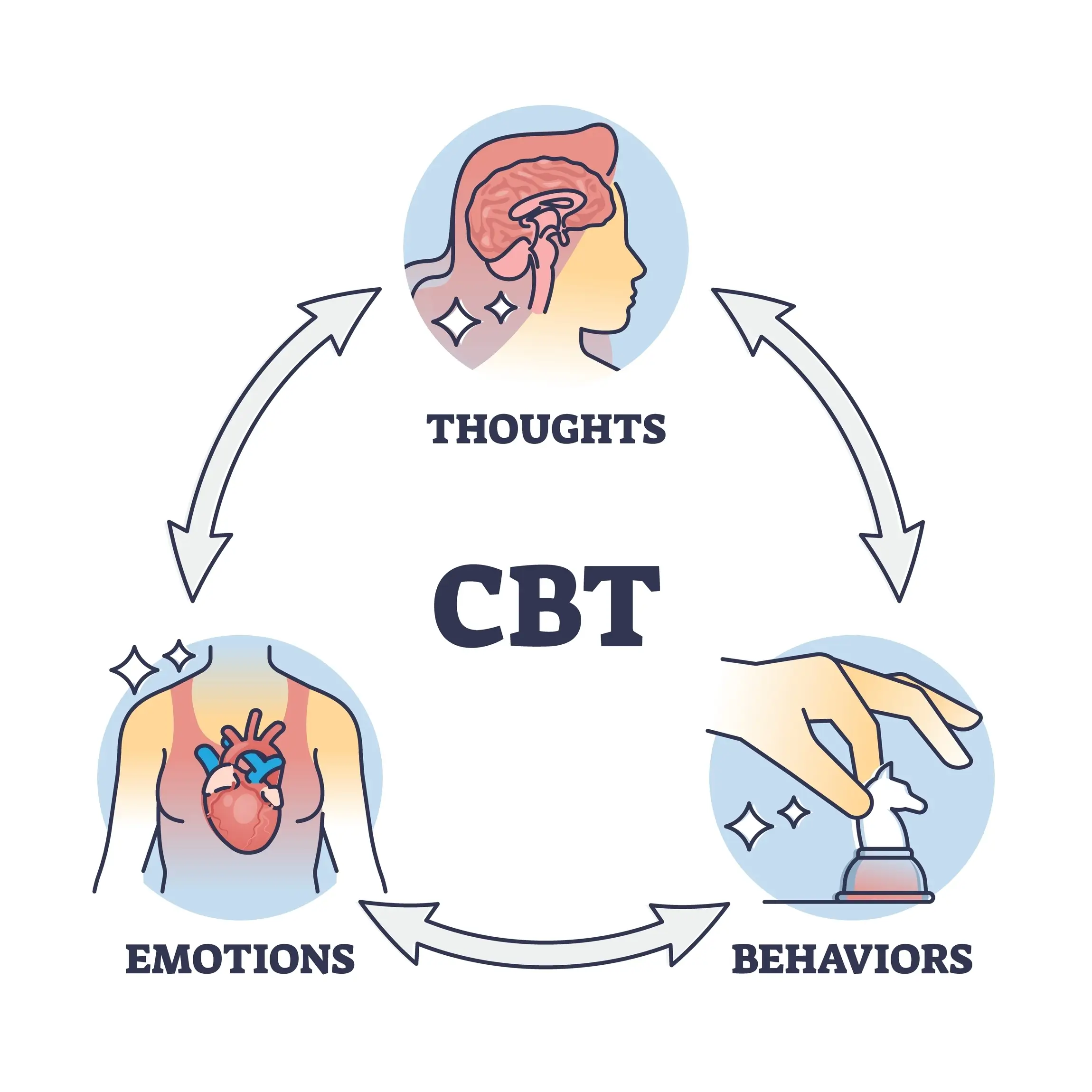
Cognitive Behavioral Therapy (CBT)
Identify and change harmful thought patterns and behaviors related to food, weight, and body image.
Dialectical Behavior Therapy (DBT)
Focuses on emotional regulation, distress tolerance, and developing healthy coping mechanisms.
Family-Based Therapy
Strengthens support systems and improves communication, especially beneficial for adolescents and young adults.
Interpersonal Therapy
Addresses relationship issues and social functioning that may contribute to disordered eating.
Medical and Nutritional Support
Psychiatric Supervision
Mental health assessment and ongoing monitoring by experienced eating disorder specialists and psychiatrists.
Nutrition Counseling
Dietitian-led guidance to support healthy eating habits, restore nutritional balance, and promote physical recovery.
Medication Management
When appropriate, medications help regulate mood and reduce anxiety or depression that often co-occur with eating disorders.
Ongoing Support and Relapse Prevention
A guarantee of recovery after the first stage of treatment is mandatory.
Group Support Programs
Connect with others in recovery to enhance healthy body image, develop coping skills, and prevent relapse.
Aftercare Planning
Our eating disorder psychiatrists provide continued support following initial treatment to ensure long-term recovery and sustained wellness.
Personalized Treatment Plans
Dr. Sajan, a board-certified psychiatrist with 16+ years of experience, customizes each treatment plan based on:
- The type of eating disorder
- Severity of symptoms
- Co-existing mental health conditions such as anxiety or depression
- Individual medical history and needs
Our goal is to address both the physical and emotional aspects of the disorder, promoting long-term recovery and improved overall well-being.
Why Choose Health & Psychiatry
Same day and late evening appointments
No referral required
Emergency visit availability
Wide range of insurance plans accepted
Convenient locations throughout Florida
Telepsychiatry:
Expert Care From Anywhere
Access expert personality disorder therapy from the comfort and privacy of your own home through secure, HIPAA-compliant video appointments.
You can meet with one of our licensed providers, including our experienced Eating Disorder psychiatrist, using your smartphone, tablet, or computer.
Benefits of Telepsychiatry for Eating Disorder Treatment:
- Receive care from the comfort of your home
- Eliminate travel time and transportation barriers
- Flexible scheduling around work and family commitments
- Maintain continuity of care even when traveling
- Access to the same expert providers and personalized treatment
What to Bring

1. Driver's License
2. Insurance ID Card

3. Prescription Bottles
Your Insurance Likely Covers Your Care
We accept most major insurance plans. Let's verify your coverage before your first visit.



















Frequently Asked Questions
Eating disorders develop from a complex interaction of genetic, biological, psychological, and environmental factors. Contributing factors may include:
- Genetic predisposition and family history
- Brain chemistry and hormonal imbalances
- Psychological factors such as perfectionism, low self-esteem, or trauma
- Societal and cultural pressures regarding body image
- Major life transitions or stressful events
No single cause applies to everyone, which is why personalized treatment is essential.
While there is no simple "cure," recovery is absolutely possible with the right treatment and support. Many individuals regain a healthy relationship with food and their body through a combination of therapy, medication, and nutritional support.
Early diagnosis and consistent treatment greatly improve the chances of long-term recovery and better quality of life.
Yes, eating disorders can lead to serious and potentially life-threatening medical complications:
- Cardiovascular: Heart rhythm abnormalities, low blood pressure, heart failure
- Gastrointestinal: Stomach damage, constipation, gastroparesis
- Bone health: Osteoporosis and increased fracture risk
- Hormonal: Irregular menstruation, thyroid dysfunction
- Neurological: Brain damage, cognitive impairment
- Dental: Tooth decay, gum disease, enamel erosion
Early intervention significantly reduces the risk of permanent damage.
Eating disorders can affect anyone regardless of age, gender, race, or socioeconomic status. However, certain factors may increase risk:
- Adolescents and young adults (though they can develop at any age)
- Individuals with a family history of eating disorders or mental illness
- Those with perfectionist tendencies or high achievement orientation
- People who have experienced trauma, abuse, or bullying
- Athletes in sports emphasizing weight or appearance
- Individuals with other mental health conditions such as anxiety or depression