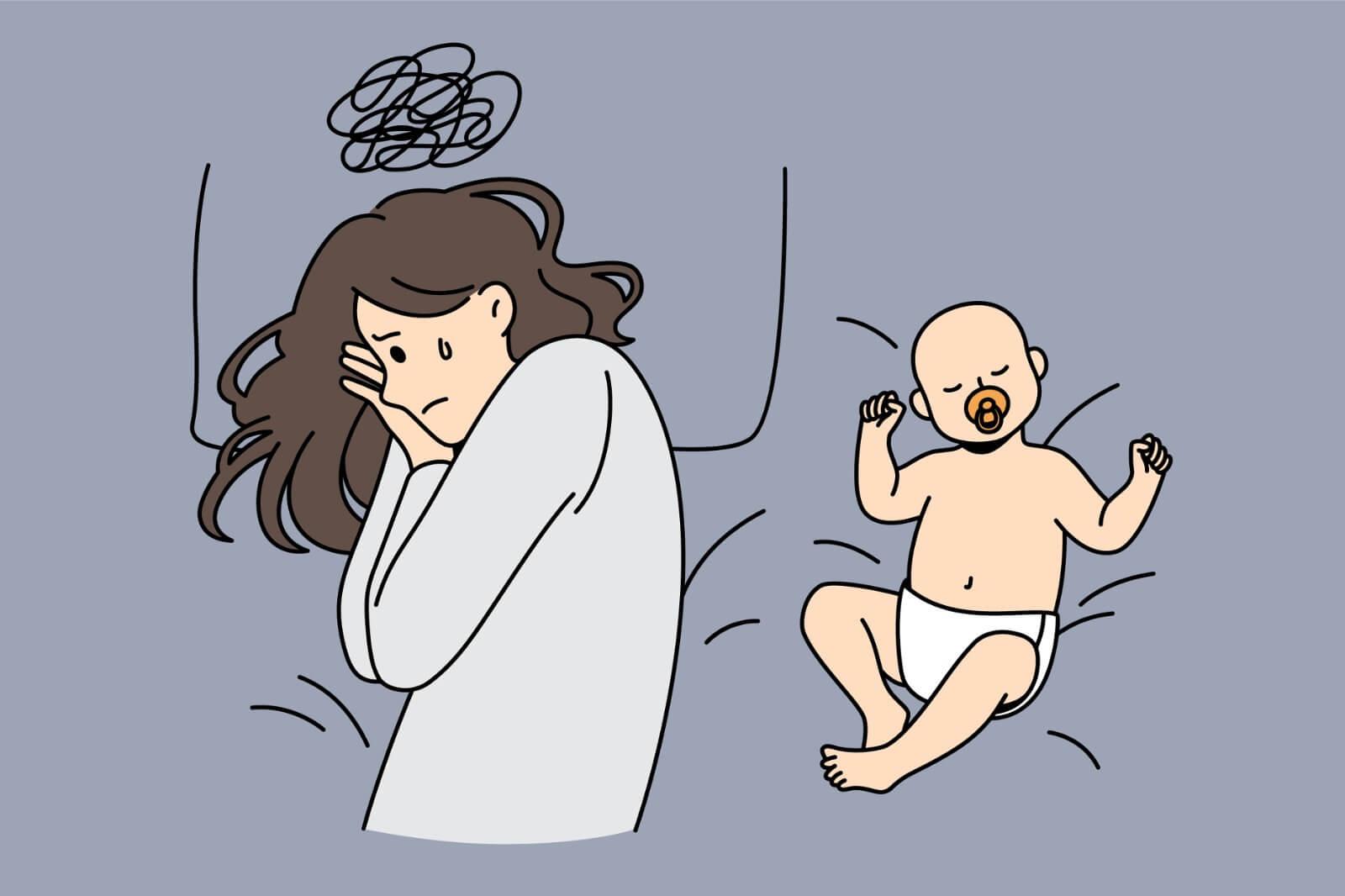
Everyone romanticizes a mother’s journey of bringing life into the world, right up until the moment the child is born. What they conveniently negate is the long, complex process of healing after it. Among other bodily changes, many women suffer from a serious mental health condition after childbirth, causing persistent sadness, anxiety, and emotional exhaustion. It is known as postpartum depression (PPD).
Postpartum depression statistics show that 1 in 7 women report experiencing symptoms of perinatal depression or postpartum depression after giving birth.
However, the number is inconclusive of its true prevalence due to limitations of the study. If one is to go and ask around new mothers about their experience, most will admit to having experienced the aforementioned symptoms.
What Is Postpartum Depression?

Depression after birth is a mental health condition that affects mothers after they have a baby. It can last for months or even years. It is more than baby blues, feeling down after having a baby.
The DSM-5-TR does not treat postpartum depression as a distinct diagnosis. Instead, it is incorporated under the umbrella term of perinatal depression.
The condition affects how a mother feels in her daily life. It can also affect her relationships with the baby, others, and her overall well-being.
Causes of Postpartum Depression
Postpartum depression has similar symptoms to depression but may be caused by a combination of things that happen to a woman's body, her feelings, and the world around her, after having a baby…
→ Hormonal Changes. When a woman has a baby, the levels of some hormones in her body, such as estradiol and progesterone, go down in a rush. This can affect her mood and emotional stability.
→ Emotional Factors. A new mother may take some time getting used to being a mom. This can make her feel unsure of herself and worried about taking care of her baby, which can contribute to postpartum depression.
→ Physical Factors. A new mother is especially vulnerable to depression due to the disturbance in routine, leading to sleep deprivation and fatigue.
→ History of Mental Health Conditions. Mothers with a prior history of mental health conditions, such as anxiety or depression, are 20-fold more likely to develop postpartum depression following the birth of their child.
→ Lack of Support. Coping with postpartum depression becomes especially tough when you don't have support from family or your partner.
Symptoms of Postpartum Depression
Postpartum depression symptoms can be different for every mother..
It affects how you feel emotionally, mentally, and physically. Pdd symptoms include:
1. Emotional Symptoms
 If a new mother is suffering from:
- Really sad or down all the time.
- Guilty without reason.
- Don't care about things she used to enjoy…
She might have postpartum depression and need immediate support.
2. Mental Symptoms
Sometimes, postpartum depression can change the way your brain works… Leading to:
- Difficulty concentrating.
- Constant worry or anxiety.
- Negative thoughts about self or motherhood.
3. Physical Symptoms
As a new mother, it is normal to experience disturbance in the daily routine in the first few days after childbirth.
However, if the following symptoms last beyond two weeks, you might be suffering from postpartum depression.
- Fatigue or low energy.
- Changes in appetite.
- Sleep disturbances.
4. Severe Symptoms of Postpartum Depression
- Feeling like life is not worth living.
- Wanting to harm yourself.
- Feeling scared you might hurt the baby.
- Feeling completely numb (no emotions).
- Not recognizing yourself or reality.
- Extreme confusion.
- Avoiding the baby completely.
- Unable to get out of bed.
- Severe loss of energy.
- Feeling out of control.
- Hearing or seeing things that are not real.
- Sudden intense anger or agitation.
Timeline-Based Stages of Postpartum Depression
Postpartum depression can occur at different times. Both before and after childbirth. Although the postpartum period timeline is generally considered to last up to one year after delivery.
Symptoms may begin earlier during pregnancy or appear later after birth.
Recognizing the timeline of onset is important for early identification and timely treatment.
1. Prenatal Stage (During Pregnancy)
 Some women begin experiencing emotional changes during pregnancy. Often referred to as prenatal depression or anxiety.
→ Symptoms may begin a few months before delivery…
→ Includes anxiety, persistent sadness, irritability, and sleep disturbances.
→ Symptoms may continue after birth and progress into postpartum depression.
→ Often overlooked because emotional changes are expected during pregnancy.
Early identification is important. Because prenatal symptoms often predict postpartum mental health risk.
2. Early Postpartum (Immediate After Birth)
 In some cases, symptoms of postpartum depression signs begin very soon after delivery.
- Can start within 48 hours to 4 weeks postpartum.
- Emotional instability, crying spells, and anxiety.
- Difficulty bonding with the baby.
- Severe fatigue and feeling overwhelmed.
- Symptoms may be intense and disruptive.
This stage may overlap with baby blues,... But it lasts longer and is more severe.
3. Early Postpartum Period (1 to 6 Months)
Most cases of postpartum depression develop within this period. The common onset is within the first 3 months after delivery.
It shows:
- Persistent sadness or emptiness.
- Loss of interest in daily activities.
- Difficulty caring for self or baby.
- Withdrawal from family and social life.
- Reduced concentration and motivation.
This is the most commonly diagnosed period for postpartum depression.
4. Late Postpartum (6 Months to 1 Year) 
Some women may not develop symptoms until several months after childbirth… symptoms may appear 6 months to 1 year postpartum.
- Often triggered by stress, isolation, or ongoing life changes.
- Emotional exhaustion, anxiety, and mood instability.
- Difficulty coping with parenting responsibilities.
- May go unrecognized due to delayed onset.
Awareness is essential… as delayed onset is often misinterpreted as general stress.
Postpartum Depression vs. Baby Blues
Postpartum depression is commonly misinterpreted as baby blues.
Thus negated as general sadness by family and friends of new mothers. However, both concepts significantly differ in their duration, intensity, and impact on daily life. Signs of postpartum depression and baby blues are different; here is a quick comparison:
|
Feature |
Baby Blues |
Postpartum depression |
|
Onset |
Starts within 2–3 days after delivery. |
Can start anytime within 4 weeks to 1 year after delivery. |
|
Duration |
Short-term, lasts up to 10–14 days. |
Long-term, lasts more than 2 weeks and may persist for months if untreated. |
|
Severity |
Mild emotional changes. |
Moderate to severe mental health condition. |
|
Mood Symptoms |
Mood swings, crying spells, irritability. |
Persistent sadness, hopelessness, emptiness. |
|
Anxiety Level |
Mild and temporary anxiety. |
Severe anxiety or panic attacks. |
|
Functioning Ability |
Mother can still care for the baby and self. |
Significant difficulty in daily functioning and self-care. |
|
Sleep Pattern |
Mild sleep disturbance due to newborn care. |
Severe insomnia or excessive sleep unrelated to the baby’s needs. |
|
Appetite Changes |
Minimal or temporary changes. |
Significant loss or increase in appetite. |
|
Interest in Baby |
Still interested in baby care. |
Reduced bonding, emotional detachment from the baby. |
|
Cognitive Symptoms |
Mild confusion. Overwhelm. |
Poor concentration, indecisiveness, and memory issues. |
|
Physical Symptoms |
Fatigue, mild headaches. |
Severe fatigue, body aches, psychosomatic symptoms. |
|
Psychotic Features |
Absent. |
May occur in severe cases (postpartum psychosis risk). |
|
Self-harm Risk |
Absent. |
May include thoughts of self-harm or harming baby in severe cases. |
|
Treatment Needed |
Usually, no medical treatment; only support and reassurance. |
PDD treatment needs therapy, possible medication, and psychiatric care. |
|
Impact on Baby Bonding |
Minimal |
Can significantly affect mother–infant bonding. |
How Is Postpartum Depression Diagnosed?
Postpartum depression diagnosis is typically made by a healthcare professional through the following steps:
→ Clinical Evaluation
A postpartum depression therapy provider talks to new mothers to discuss their emotional and physical health.
The patient may open up about whether they have been feeling sad and hopeless for a long time, or feel anxious a lot.
The patient’s inability to perform daily life functions is also something the healthcare provider wants to understand.
→ Mental Health Screening Tools
New mothers may be given to use standardized questionnaires during psychiatric evaluation. It focuses on objectively assessing symptoms. These tools help identify signs of postpartum depression, measure severity, and support an accurate diagnosis.
→ Review of Medical and Psychological History
The provider looks through the patient’s previous health records for a history of mental health conditions, such as depression, anxiety, or hormonal issues.
This is a crucial step in identifying risk factors for postpartum depression.
→ Edinburgh Postnatal Depression Scale (EPDS)
The Edinburgh Postnatal Depression Scale (EPDS) is a widely used screening tool. It is designed to identify symptoms of perinatal mood disorders, especially Postpartum depression in mothers after childbirth.
It is not a diagnostic test, only a screening tool… but helps healthcare providers detect women who may need further psychological evaluation or treatment. It contains 10 short questions. Well, each question focuses on the past 7 days… It assesses mood, anxiety, guilt, sleep disturbance, and self-harm thoughts. Each item is scored from 0 to and the total score ranges from 0 to 30. EPSD 13+ indicates the need for clinical help.
Treatment Options for Postpartum Depression
Regardless of its severity, the good news is that treatment for postpartum depression is highly possible through a combination of approaches. These include:
1. Therapy for PDD

Talk therapy for postpartum depression at a trusted postpartum depression clinic center, such as cognitive behavioral therapy (CBT), helps manage negative thoughts and emotions. For mothers reluctant to seek physical help, online therapy for pdd is a viable option.
TMS therapy for PDD is also proven to be helpful under severe circumstances.
2. Medications
New mothers may be prescribed antidepressants when symptoms are moderate to severe. However, these need to be under the medical supervision of a therapist or psychiatrist to avoid potential contraindications.
3. Support System
Emotional support from family, friends, or support groups plays a crucial role in recovery from postpartum depression.
4. Lifestyle Changes
Many women are recommended lifestyle changes, such as improving sleep, nutrition, and physical activity, to support mental well-being.
5. Medical Intervention in Severe Cases
In severe cases, advanced treatments or hospitalization may be necessary to ensure safety. These include TMS therapy for postpartum depression.
It is essential to use a non-invasive treatment that is used when talk therapy or medication hasn’t been effective. Moreover, it is also considered for mothers who are breastfeeding or concerned about drug exposure.
Risk Factors of Postpartum Depression
Certain factors increase the likelihood of developing postpartum depression in new mothers.
These include:
- Previous history of depression or anxiety.
- Complicated pregnancy or delivery.
- Lack of emotional or social support.
- Financial or relationship stress.
- Hormonal sensitivity.
Early identification of risk factors is an ideal route towards the prevention of the disease and early intervention.
Long-term Impact of Untreated Postpartum Depression

The long-term impact of every disease is debilitating. However, for most mental health conditions, lack of consideration for treatment affects the patient only; in the case of postpartum depression, it can have lasting effects on both mother and child if left untreated.
It can lead to:
- Chronic depression or anxiety.
- Difficulty bonding with the baby.
- Developmental and emotional impact on the child.
- Strained relationships and family stress.
When to Seek Help & Postpartum Depression Support?

Seek help from pdd therapist if:
→ Your PDD symptoms last more than two weeks.
→ Daily functioning is affected.
→ You are experiencing thoughts of self-harm.
→ There is potential to cause harm to the baby.
→ Emotional distress feels overwhelming.
In-Person Care & Online Postpartum Depression Treatment in Florida at Health & Psychiatry!

Seeking professional care for postpartum depression makes a significant difference in managing it. As a trusted mental health care provider and postpartum depression clinic, we offer both in-person and postpartum depression telehealth services at Health & Psychiatry.
We understand that new mothers might hesitate at the idea of receiving physical care for the mental health struggle. Thus, we provide comprehensive postpartum counseling along with flexible options for online postpartum depression treatment in Florida.
Important to mention that our approach is designed to be accessible, compassionate, and tailored to the needs of new mothers.
Contact Now, for a better mental health so you can enjoy your lovely journey of motherhood!
FAQs
What is postpartum depression?
Postpartum depression is a mental health condition. It causes constant feelings of sadness, anxiety, and mood swings in new mothers after giving birth.
How long does postpartum depression last?
The timeline for postpartum depression varies. Different for every mother. It may last from six months to a year, depending on the severity and treatment.
Is postpartum depression treatable?
Yes. Postpartum depression symptoms are highly treatable. It is done with a combination of approaches such as therapy, medication, and lifestyle changes.