
Generalized Anxiety Disorder (GAD) is a mental health condition. It is characterized by persistent, excessive, and uncontrollable worry. The worry is about a variety of everyday situations… such as work, health, finances, or family… even when there is little or no actual reason for concern.
Do you ever feel like your heart will explode from thinking constantly? Or do you excessively think about a certain thing and can’t get it out of your mind? It goes to an extreme that it becomes difficult to manage. You might have GAD or Generalized Anxiety Disorder.
Statistics about generalized anxiety disorder show that up to 6% people are affected by this anxiety syndrome at least once in their lives.
What Is Generalized Anxiety Disorder?
Generalized Anxiety Disorder is the worry that is excessive and uncontrollable due to a wide variety of situations that occur in everyday life. In contrast to situational anxiety that occurs in reaction to certain events, GAD is characterized by constant anxiety that persists over months or even years.
Individuals with long-term anxiety syndrome tend to expect tragedy when there is little or no cause to worry. The concern is excessive to the situation and hard to control, usually experienced every day and in various spheres of life like health, finances, family, or work.
Generalized Anxiety Disorder (GAD) Symptoms
Generalized anxiety disorder symptoms may include:
|
Category |
Symptoms |
|
Emotional |
|
|
Cognitive |
|
|
Physical |
|
→ Emotional Symptoms 
Individuals with generalized anxiety disorder tend to feel uneasy or scared all the time. He/she may suffer chronic nervousness, nervousness, and being on edge. Minor issues can give rise to out-of-proportion anxiety and it appears that one cannot even relax.
→ Cognitive Symptoms
GAD has an important influence on the way of thinking. Individuals might have racing thoughts, lack focus and tend to overanalyze situations. Thinking of the worst before it happens also comes under it.
→ Physical Symptoms
Strain of chronic anxiety is frequently reflected in the body. It includes headaches, restlessness, stomach issues, fatigue, and muscle problems.
Generalized Anxiety Disorder Causes
No cause of GAD exists. Rather, it is a result of biological, psychological, and environmental factors.
1. Biological Factors
Genetics has a role to play; GAD has a tendency to be familial. It can also be due to neurochemical imbalances, especially with regard to such neurotransmitters as serotonin and dopamine.
According to studies in brain imaging, there could have been differences in the functioning of the areas of fear and emotional regulation in GAD individuals.
2. Psychological Factors
Some of these personality traits may cause vulnerability, including perfectionism or a negative thinking tendency.
3. Environmental Triggers
It is usual that life experiences are catalysts. Symptoms may be triggered or exacerbated by trauma, chronic stress, financial instability or major life changes. The development of GAD may also be promoted by even long-term exposure to a high-pressure environment.
How Is GAD Diagnosed?

A generalized anxiety disorder diagnosis can be made through assessment by a mental health practitioner. This will generally involve the symptoms, medical history, and behavioral patterns that are discussed in detail.
The criteria commonly employed by our clinicians at anxiety treatment centers in Florida to diagnose generalized anxiety disorder (GAD) include those of the Diagnostic and Statistical Manual of Mental Disorders (DSM-5), which involves excessive anxiety and worry happening on at least 6 out of 10 days.
Also, other symptoms include restlessness, fatigue, or sleep problems.
Notably, other physical disorders such as thyroid disorders or heart diseases should be eliminated as they may have similar symptomatic effects.
Treatment Options for Generalized Anxiety Disorder
Treatment of GAD is typically an integrated response of therapeutic approaches and is dependent on the individual.
→ Psychotherapy
A common therapy for generalized anxiety disorder is psychotherapy. It guides people to know the underlying causes of their anxiety and create more positive coping strategies. Gradually, the level and frequency of anxious thoughts may be minimized through therapy.
→ Cognitive Behavioral Therapy
Cognitive Behavioral Therapy is considered to be the best therapy for GAD. It aims to find and refute negative thinking styles and substitute them with more balanced ones. CBT also involves effective strategies to cope with anxiety in real-life situations.
→ Medications
In other instances of chronic anxiety disorder, medication can be prescribed. It is frequently prescribed antidepressants (SSRIs and SNRIs), as well as anti-anxiety drugs in some cases. These generalized anxiety disorder medications are used to control brain chemistry and are used to alleviate symptoms, usually together with therapy.
→ Improved Way of Living
You should remember to include non-medicated or therapy options. To live a healthy life, you should
- Be physically active.
- Do mindful practices like a three-minute breathing routine.
- Eat well and clean.
Generalized Anxiety Disorder (GAD) Coping Skills
GAD necessitates real-life solutions to cope with the symptoms. The one helpful tool is journaling, whereby one is able to externalize their concerns and identify patterns.
Another important factor of generalized anxiety disorder treatment is social support. A talk with close friends or family can be encouraging and may provide perspective, eradicating feelings of loneliness.
1. Cognitive (Thought-Based) Strategies
- Challenge negative thoughts and replace them with realistic ones.
- Practice thought stopping when worry becomes excessive.
- Use journaling to identify triggers and patterns of anxiety.
- Focus on what you can control vs. what you cannot.
2. Relaxation Techniques
- Deep breathing exercises (e.g., 4-7-8 breathing).
- Progressive muscle relaxation.
- Guided imagery or visualization.
- Mindfulness and meditation practices.
3. Behavioral Strategies
- Maintain a regular daily routine.
- Engage in physical activity (walking, yoga, exercise).
- Break tasks into smaller, manageable steps.
- Limit avoidance—gradually face feared situations.
4. Lifestyle Modifications for GAD
- Ensure adequate sleep and maintain sleep hygiene.
- Reduce caffeine and stimulant intake.
- Eat a balanced, healthy diet.
- Limit alcohol and nicotine.
5. Social & Support Strategies
- Talk to trusted friends or family.
- Join support groups.
- Seek professional help when needed (therapy, counseling).
6. Professional Interventions
- Cognitive Behavioral Therapy (CBT).
- Medications (e.g., SSRIs, anti-anxiety medications) as prescribed.
- Stress management programs.
7. Quick Coping Tools for GAD (In-the-Moment)
- Grounding techniques (5-4-3-2-1 method).
- Focus on breathing slowly.
- Distract with a simple task or activity.
- Remind yourself: “This feeling will pass”...
Normal Worry vs. Generalized Anxiety Disorder
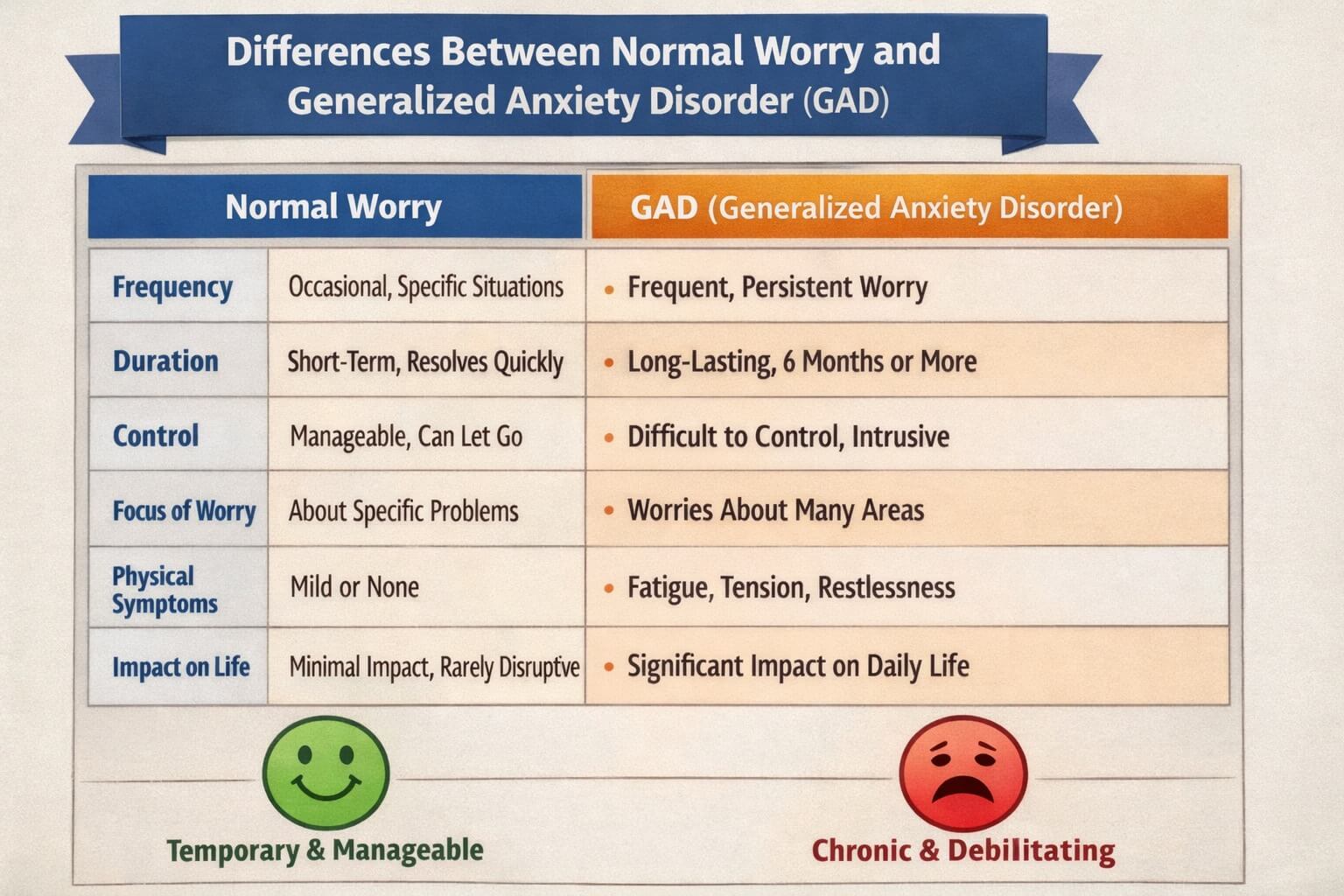
All of us worry at one time or another--but not all worry is created equal. Normal worry is normally temporary, circumstantial, and controllable. It usually clears up when the problem is treated.
GAD, on the other hand, has a lot of worry that cannot be controlled and is persistent. It does not just affect a single issue and tends to disrupt normal operations.
Whereas healthy worry can drive people to solve their problems, GAD is more likely to cause paralysis and thus difficulty in taking action or in making decisions.
Risk Factors

There are some factors that predispose the development of GAD. Women are more likely to be diagnosed than men, which may be explained by hormonal and social factors. There is also an increased risk when the exposure to stress or trauma occurs at an early age.
Other contributing risk factors for generalized anxiety disorder (GAD) include chronic health conditions and a family history of anxiety disorders. Such personal characteristics as high sensitivity or overthinking can also predispose people.
Living with Generalized Anxiety Disorder?

Treatment of Generalized Anxiety Disorder is a lifelong process, yet it is quite possible to live a joyful life with the help of proper support and measures.
Consistency in treatment is a key coping skill for generalized anxiety disorder. A combination of therapy, medication & lifestyle changes can serve a great number of people.
Get Expert Anxiety Treatment in Florida at Health & Psychiatry!
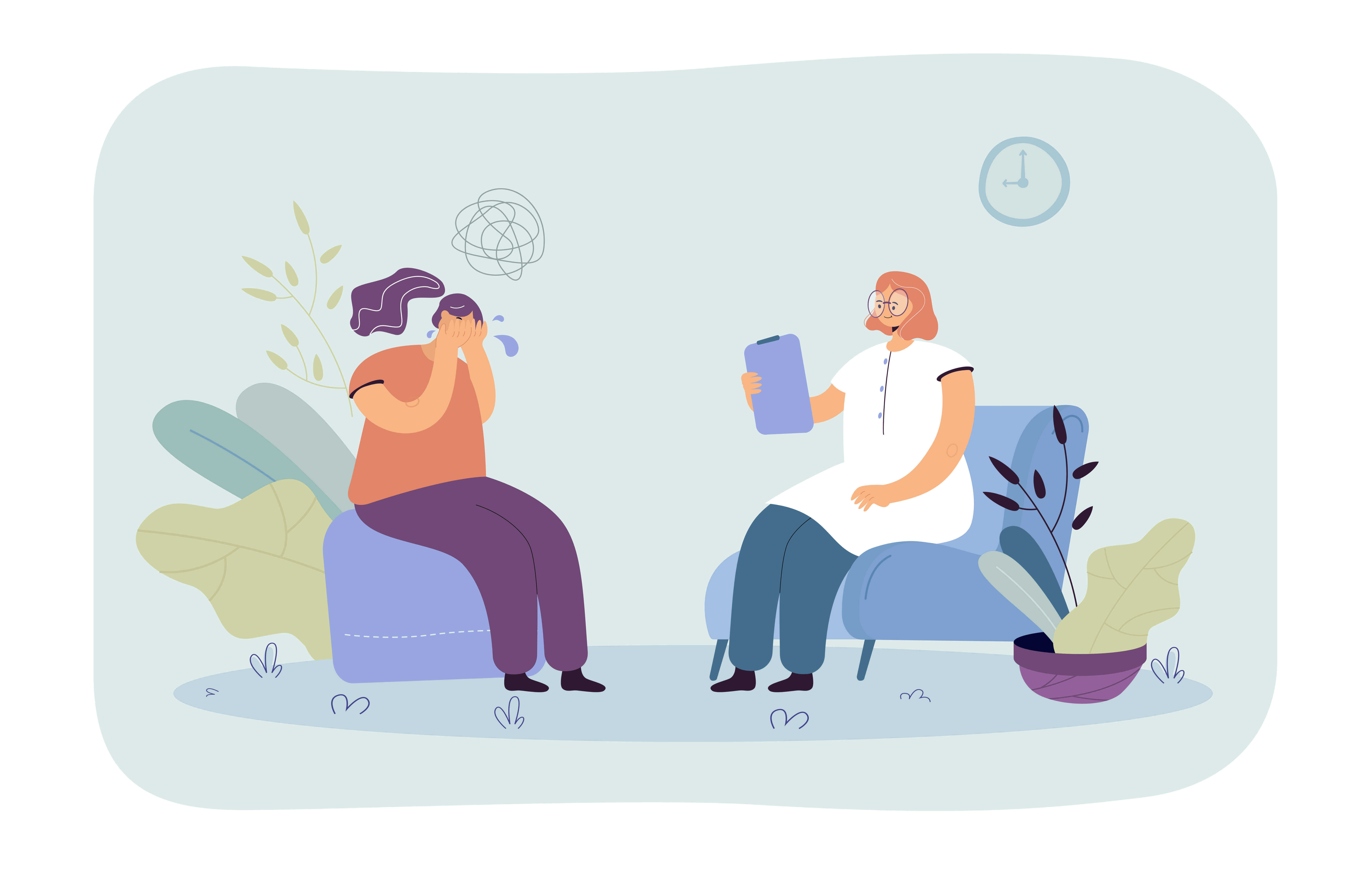
When anxiety is disrupting your everyday life, professional assistance could be of great importance. At Health & Psychiatry, licensed mental health professionals will offer you a customized treatment plan based on your personal needs.
Evidence-based treatment, such as Cognitive Behavioral Therapy, medication management & holistic care practices under the expert guidance of Dr. Sajan Dinar, MD, is aimed at assisting you to control and make your life better.
We also offer virtual online generalized anxiety disorder treatments for your ease through our telepsychiatry services.
Book an appointment and get the best anxiety treatment in Florida!
FAQs
How long does GAD last?
GAD may be a chronic disease with a tendency to last months or years without treatment. Nevertheless, when treated and properly, numerous people have a remarkable recovery or remission.
Can I get any other mental condition from generalized anxiety?
It is possible to develop new mental health conditions with chronic anxiety. But with proper treatment, you can live your life normally.
Is GAD a serious mental illness?
Yes, Generalized Anxiety Disorder is a severe, though manageable, mental health problem. Although it may have a great influence on life in general, the treatment is effective and numerous individuals can lead a normal life with the help of a professional.