
Sleep is essential for everything. For your physical health. For hormonal regulation, that affect both emotional balance and proper brain function. Yet sleeplessness or sleep disorders commonly affect millions of women globally.
It is known that women suffer most from difficulty falling asleep. Research proves that. It is evident that women are approximately 1.3 to 1.8 times more prone to being insomniacs, getting disturbed from poor sleep quality, and waking up at night.
There are many reasons: fluctuations in hormones, pregnancy & menopause are among them. Caregiving responsibilities, stress, anxiety, and underlying health conditions… all can contribute to it! Differently in different stages of life…. making insomnia more common in women…
What is Insomnia?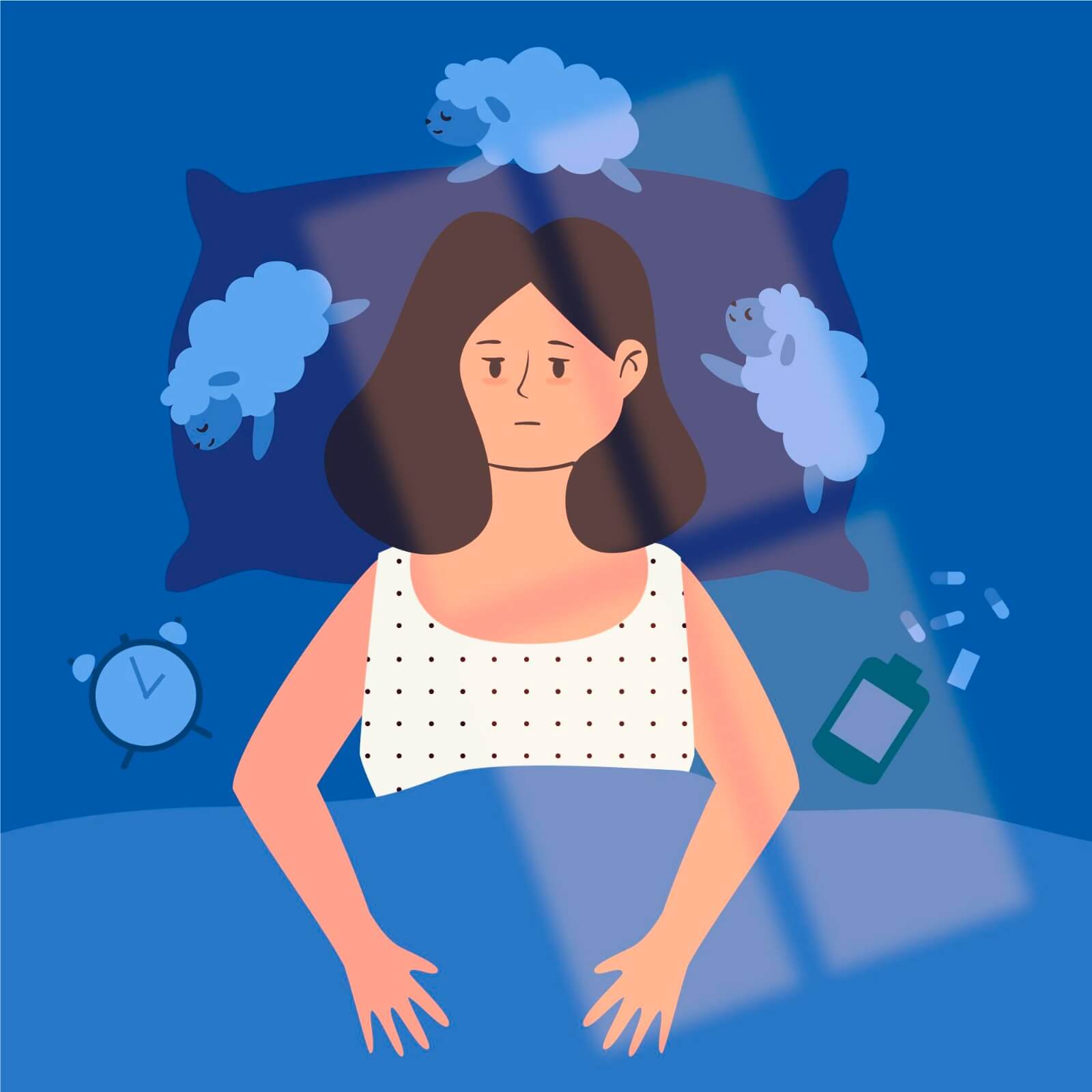
A common sleep disorder, known as lack of sleep or insomnia, makes it difficult to:
- Falling asleep
- Stay asleep
- Return to sleep after waking up
- Feel rested after sleep
Women may experience sleeplessness occasionally during stressful periods. But chronic insomnia is different. It can last for months or years.
Doctors generally classify insomnia into two main types:
1. Acute Insomnia
Short-term sleep problems in women, men & in elderly people. Triggered by stress, travel, illness, emotional distress, or lifestyle changes.
2. Chronic Insomnia
If your sleep difficulties are consistent for at least three nights per week. Continued for three months or longer. You are suffering from chronic insomnia… It means it is long-lasting. And should be treated under the care of a licensed provider so it should not start affecting your physical and mental health.
The most common symptoms of insomnia in women are the following:
- Difficulty falling asleep.
- Waking up during the night, frequently.
- Early morning awakening.
- Sleeplessness even when tired.
- Daytime fatigue.
- Irritability.
- Poor concentration.
- Brain fog.
- Anxiety about sleep.
What Causes Insomnia in Women?
It is a question whether insomnia is more common in women. The fact is: YES! It is! Insomnia in women is 1.3 to 1.8 times more diagnosed than in men.
Women body is designed to face biological and hormonal changes. Studies suggest that hormonal fluctuations in women throughout their life, and specifically in perimenopause and menopause stages, involve estrogen and progesterone disturbance…
It all can thus influence sleep architecture, melatonin production, body temperature regulation, and emotional stability… causing sleep disturbance leading to the development of insomnia in women.
Women also face higher rates of:
- Anxiety disorders
- Depression
- Caregiver stress
- Chronic pain conditions
- Thyroid disorders
- Autoimmune conditions
All of these can contribute to sleep disorders in women.
A major meta-analysis found that women have a significantly higher prevalence of insomnia than men, with hormonal transitions being a key factor.
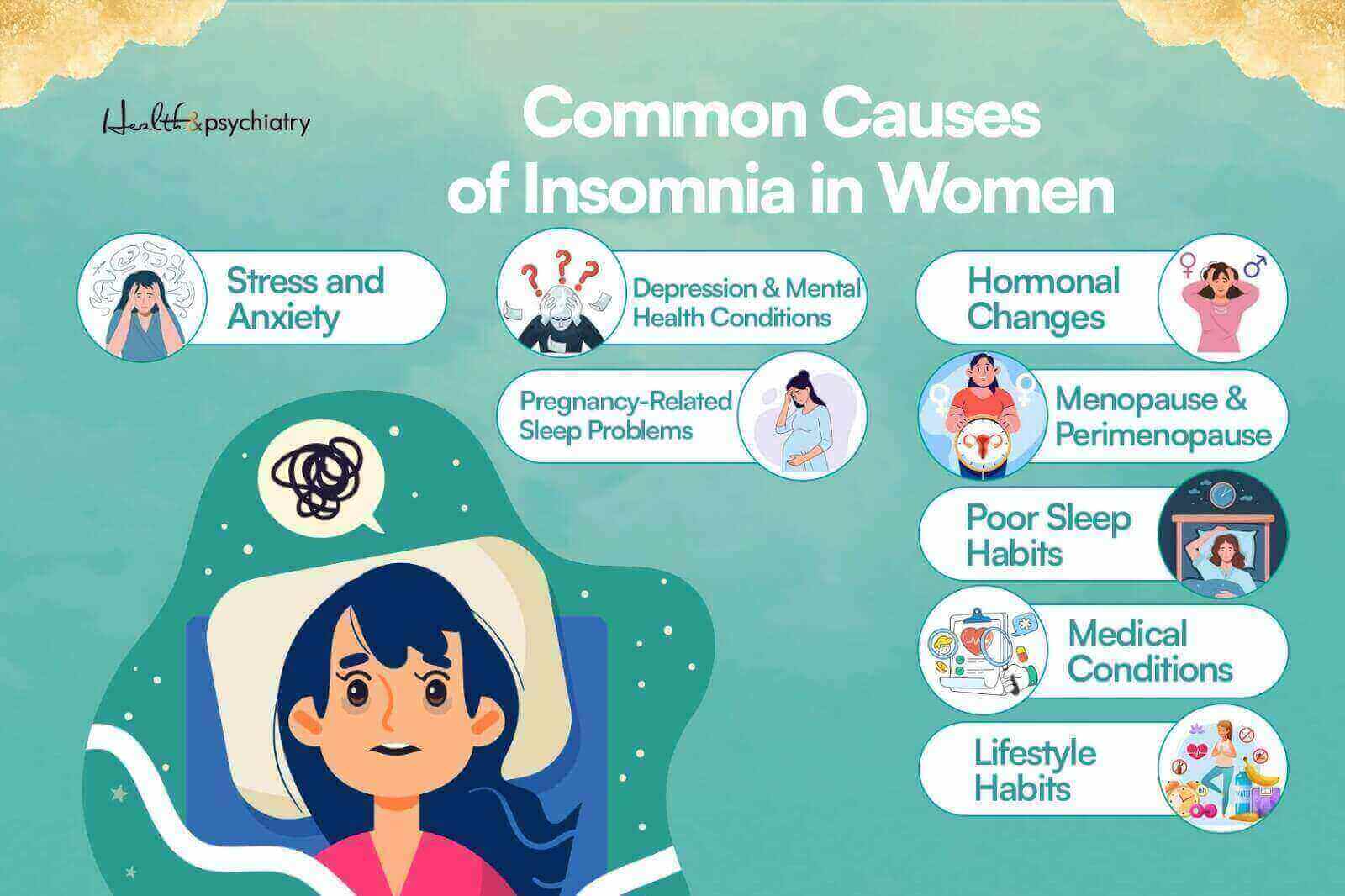
Common Causes of Insomnia in Women
The following are known causes responsible for insomnia symptoms in women.
|
Causes |
Description |
|
→ Hormonal Changes |
Studies prove that the sleep architecture of women is disturbed by hormonal fluctuations. Involving estrogen, progesterone, & melatonin production. |
|
→ Stress and Anxiety |
Women face racing thoughts & more emotional stress. That heightened anxiety levels can make it difficult to fall asleep or stay asleep. |
|
→ Depression and Mental Health Conditions |
Conditions like depression or postpartum depression in women, PTSD, and anxiety disorders are strongly linked to make women suffer from chronic sleep disturbances and insomnia. |
|
→ Pregnancy-Related Sleep Problems |
Pregnancy comes with:
All these can interfere with restful sleep. |
|
→ Menopause and Perimenopause. |
Hormonal changes after and during menopause are a common cause of insomnia in older women. Women deal with hot flashes, night sweats, and mood swings, triggering sleeplessness. |
|
→ Poor Sleep Habits |
Can negatively affect sleep patterns. |
|
→ Medical Conditions |
Health issues, including these, can cause insomnia:
|
|
→ Lifestyle Habits |
Smoking, alcohol use, lack of exercise are also in the list. Shift work and high caffeine consumption can increase the risk of sleeplessness. |
All of these are a challenge to health. They can ultimately contribute to sleep problems in women.
What Are the Symptoms of Insomnia in Women?
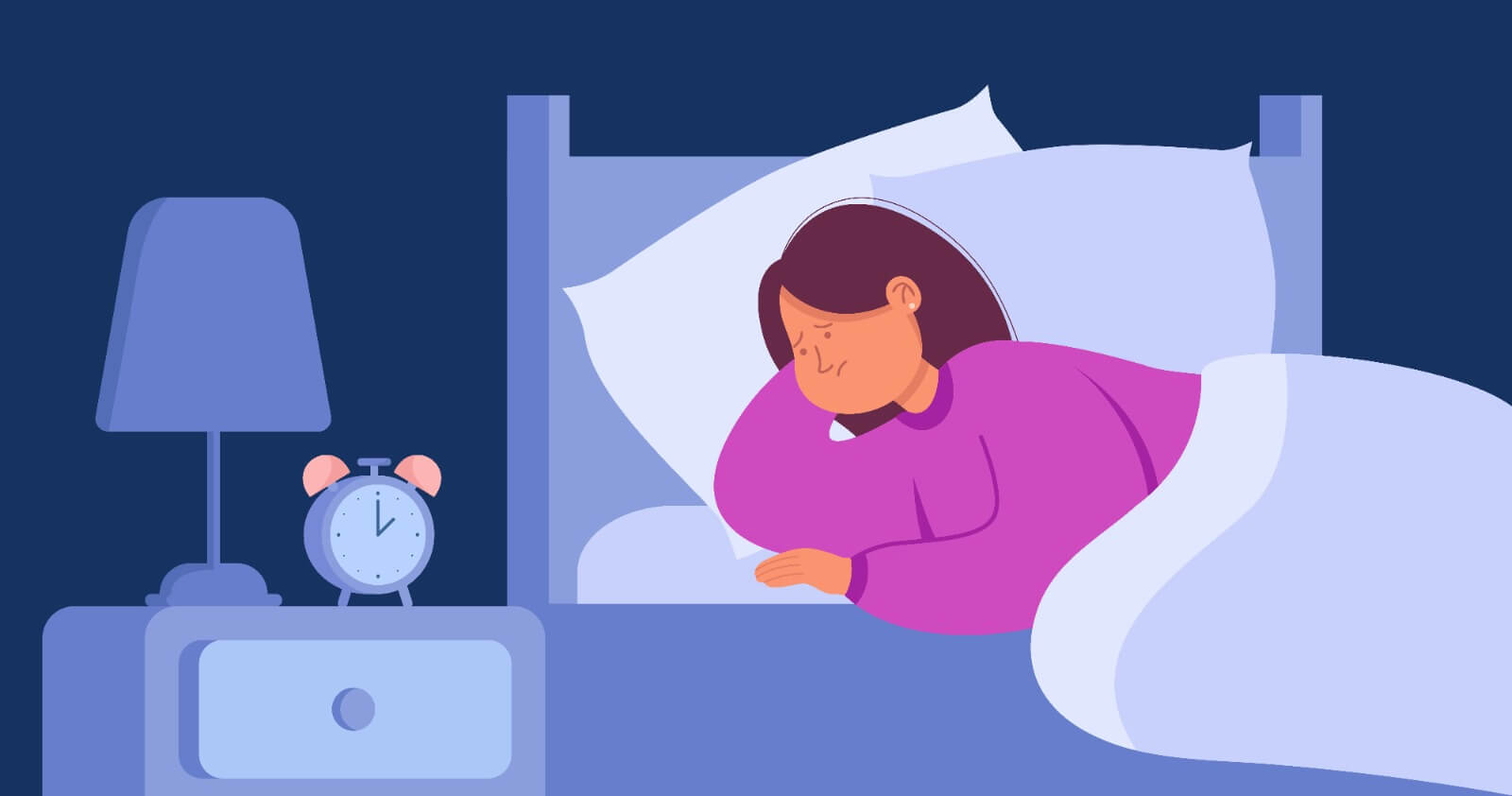
Signs of insomnia in women may vary from person to person.
Common symptoms of insomnia in women include:
- Difficulty falling asleep
- Waking up during the night
- Waking too early
- Daytime fatigue
- Irritability
- Mood swings
- Brain fog
- Difficulty concentrating
- Low energy
- Anxiety at bedtime
- Feeling unrested after sleep
Women may also experience:
- Increased emotional sensitivity
- Hormonal mood fluctuations
- Headaches
- Reduced productivity
- Memory problems
How Can Women Get Better Sleep?
Improving sleep often requires a combination of lifestyle changes, stress management, and medical support when necessary.
1. Maintain a Consistent Sleep Schedule
Try to:
- Sleep at the same time.
- Wake at the same time daily.
- Avoid large schedule changes.
- Limit daytime naps.
Consistency strengthens the body’s internal clock.
2. Create a Relaxing Bedtime Routine
Helpful habits include:
- Reading
- Warm showers
- Meditation
- Gentle stretching
- Deep breathing
Avoid stimulating activities before bed. So you would be relaxed. And easy to get a good sleep.
3. Reduce Screen Time at Night
Do you know that blue light from phones, tablets, and TVs suppresses melatonin production? Of course, damaging your sleep routine by delaying sleep onset.
Try to avoid screens at least 1 hour before bedtime.
4. Limit Caffeine and Alcohol Intake
Your caffeine can stay in the body for several hours. And yes, it interferes with sleep.
Alcohol may initially cause drowsiness, but it often disrupts deep sleep later in the night.
5. Exercise Regularly
Your regular physical activity is very important for overall health, including sleep regularity. It improves sleep quality and reduces stress.
Remember! Even moderate activities such as walking can help regulate sleep patterns.
6. Manage Stress and Anxiety
Stress reduction techniques can significantly improve sleep and treat insomnia in women.
Helpful methods include:
- Journaling
- Therapy
- Mindfulness
- Yoga
- Breathing exercises
- Cognitive behavioral therapy (CBT)
CBT for insomnia (CBT-I) is considered one of the most effective treatments for chronic insomnia.
7. Address Hormonal Changes
Women experiencing sleep problems during menopause or hormonal transitions should discuss options with a healthcare provider.
Treatment may include:
- BHRT or Hormone therapy for managing insomnia in postmenopausal women.
- Sleep-focused therapy.
- Lifestyle modifications.
- Nutritional adjustments.
When to Seek Professional Support?

Occasional sleep problems are common… but persistent insomnia should not be ignored.
Seek medical help if:
- Your sleep problems are lasting longer than a few weeks.
- Sleeplessness is causing you fatigue; that is affecting your daily functioning.
- Your mood changes worsen.
- You frequently wake gasping or choking. (similar to a nocturnal panic attack)
- To get a good night's sleep, you are relying heavily on sleep medications.
- Your insomnia starts causing trouble in work or relationships..
A healthcare specialist or licensed provider can identify underlying causes and recommend appropriate treatment.
Get Insomnia Treatment at Health & Psychiatry Under Expert Care!
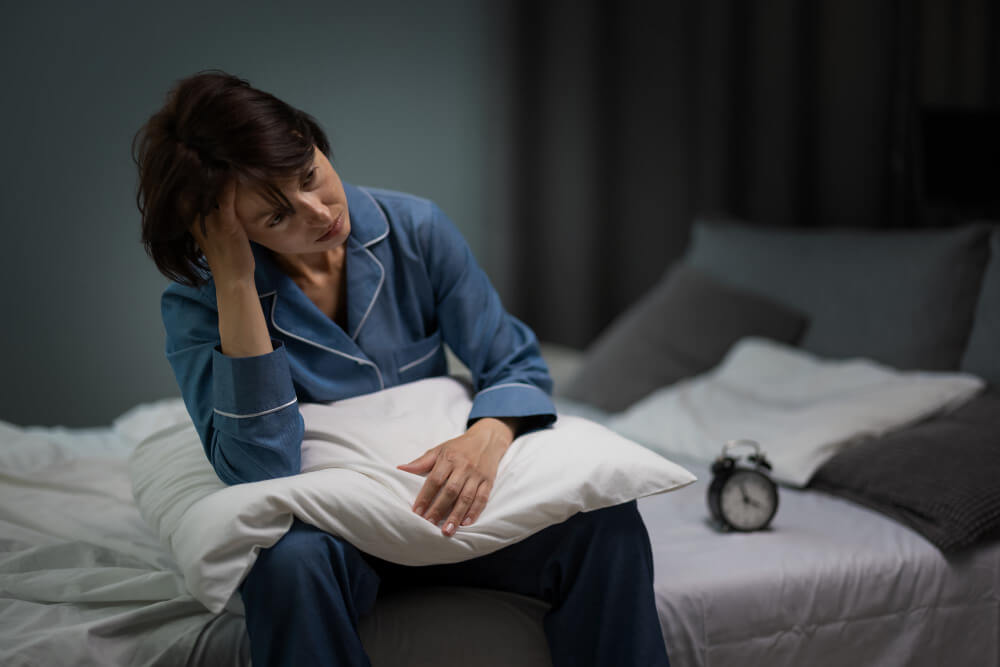
If you are presenting signs of insomnia in women… and it is affecting your energy, mood, focus, and daily life… professional support can make a meaningful difference.
At Health & Psychiatry, we provide comprehensive insomnia treatment… Our approach is to address both. The symptoms and the underlying causes of poor sleep.
At Health & Psychiatry, we offer:
- Comprehensive psychiatric evaluations.
- Insomnia diagnosis and treatment planning.
- Medication management.
- Identification of underlying mental health conditions.
- Anxiety and depression treatment.
- Telepsychiatry services across the USA.
- Confidential and compassionate care.
- Online therapy programs for Veterans.
- Same-week appointments with Insurance support.
Our goal is not only to help you sleep better but also to restore balance, emotional well-being, and overall harmony in your life.
FAQs
Why do women experience insomnia more than men?
Insomnia in women is more common. 1.3 to 1.8 times higher, as researched. It is because of hormonal fluctuations. Pregnancy and menopause related changes are also among the causes of it. Other includes higher anxiety rates, caregiving stress, and certain medical conditions.
Can hormones cause insomnia?
Yes. Hormonal changes can be causing insomnia in women in whole life. Involving estrogen and progesterone, which can directly affect sleep quality, body temperature regulation, mood, and melatonin production. Hormonal insomnia is common. Especially during menstruation, pregnancy, postpartum recovery, perimenopause, and menopause.
What are common insomnia symptoms in women?
Common symptoms of insomnia in women include difficulty falling asleep. It also presents waking up during the night, early morning awakening, all causing daytime fatigue. Insomnia causes mood swings, thus triggering anxiety, brain fog, poor concentration, all affecting work and relationships if left untreated.