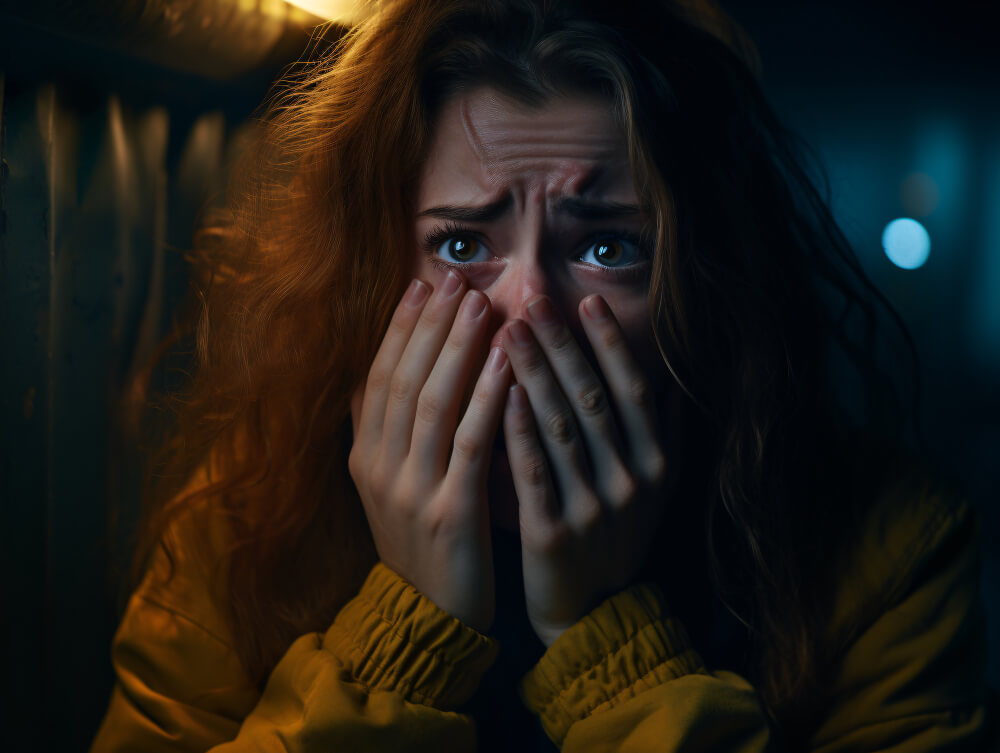
Fear is natural and a necessary human reaction. It safeguards us against harmful situations and assists us in making prompt choices in danger. But when this fear is intense, persistent, and irrational, that is, disrupting daily life, then it can be termed as a phobia.
Do you have a fear of snakes? To an extreme that you can’t even see them on your TV screens? Well, that might be a sign that you have a phobia called Ophidiophobia.
Fear is not a simple feeling of uneasiness but a profound anxiety disorder that can profoundly affect emotional well-being, interpersonal relationships, and career.
What Are Phobias?

Phobias are a form of anxiety condition, which is excessive and unrelenting fear of a certain object, situation or activity. The experienced fear anxiety is more than the perceived threat and tends to cause avoidance behavior.
Phobias, in contrast to general anxiety, are typically associated with well-defined triggers. To illustrate, an individual who has a phobia of heights will be comparably calm in numerous situations but will be engulfed with anguish once he/she is subjected to a high location.
How Common Are Phobias?
One of the most prevalent mental illnesses in the world is phobias. The statistics provided by the international health bodies show that certain phobias afflict approximately 7 per cent to 9 per cent of the population annually. Based on statistics about phobias:
- About every 12 adults around the world have had a particular phobia.
- Some populations may have a lifetime prevalence of over 10%.
- It usually begins before the age of 18, and is usually ignored or normalized.
The percentage of treatment of phobias is low. Most people change their lifestyles, such as not traveling, visiting a doctor, or socializing, without recognizing the behavior as a treatment.
Types of Phobias
Phobias have three general categories. The different types of phobias:
1. Specific Phobias involve fear of particular objects or things, such as animals, heights, flying, or injections. These are the most prevalent ones.
Examples include: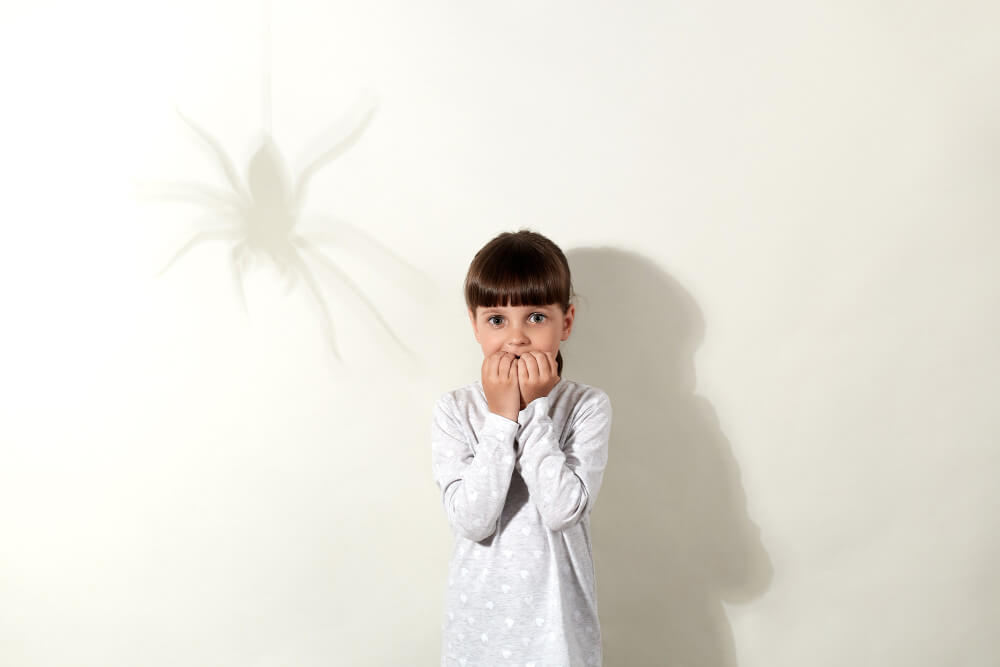
- Animal type: Fear of dogs (cynophobia), spiders (arachnophobia)
- Natural environment: Fear of heights (acrophobia), water (aquaphobia)
- Situational: Fear of flying (aviophobia), enclosed spaces (claustrophobia)
- Blood-Injection-Injury: Fear of needles (trypanophobia), blood (hemophobia)
→ The fear is triggered by a specific thing and can lead to avoidance behavior.
 2. Social Phobia (social anxiety disorder) is a severe degree of apprehension of social situations when an individual can be evaluated, humiliated, or examined.
Examples include:
- Fear of public speaking.
- Fear of meeting new people.
- Fear of being observed while eating or performing tasks.
→ It significantly affects daily interactions and confidence.
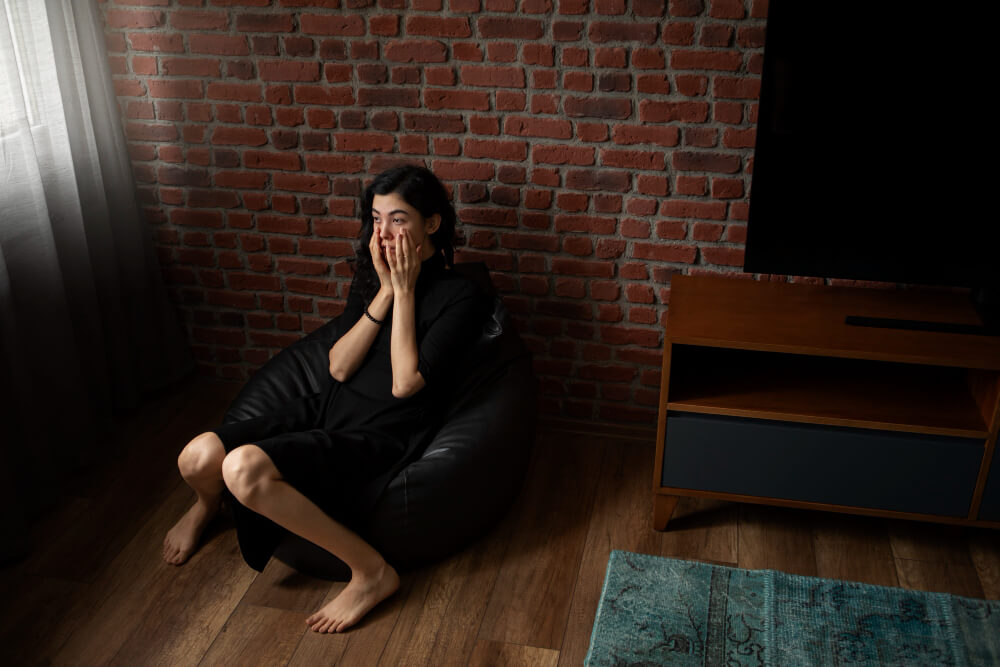 3. Agoraphobia is the fear of being in a situation where one may not be able to escape or get help, such as in a crowded area or in a transport.
Examples include:
- Avoiding crowded places.
- Fear of traveling alone.
- Fear of open spaces or public transport.
→ It can become severe enough that a person avoids leaving home.
Each of the types can vary in the degree of severity, and all of them are characterized by avoidance because of excessive fear.
Causes of Phobias
There is rarely a single cause of phobias. Rather, they are a product of psychological, biological, and environmental factors.
→ Traumatic Experiences
Fear can be strongly etched by a distressing or traumatic experience. As an example, a person who was bitten by a dog as a child might develop the fear of dogs throughout his life.
The brain associates the event to danger, which becomes embedded in the brain as fear.
→ Learned Behavior
Observation can also be a means of learning phobias. Children can take up fears of their parents or caregivers. When a parent is so fearful of spiders, a child might learn that behavior without ever having to encounter spiders.
→ Genes and Brain Function
The neurological aspects have a role in fear processing. The fear center of the brain is known as the amygdala, which may overwork when one has a phobia.
Research also indicates a genetic element- individuals who have a family history of anxiety disorders tend to have phobias.
→ Environmental Factors
The vulnerability can be enhanced by stressful environments and upbringing and by exposure to negative experiences.
Emotional support may be absent or recurrent exposure to fear-inducing circumstances may support phobic responses.
→ Evolutionary Factors
Certain phobias might be evolutionary. Snake phobia, a fear of heights or darkness might have assisted the primitive man in surviving. Such instinctive fears may be blown out of proportion in situations and turn into phobias.
Symptoms of Phobias
|
Emotional Symptoms |
Physical Symptoms |
Behavioral Symptoms |
|
|
|
Phobia is characterized by a series of emotional, physical and behavioral symptoms. Such reactions are usually instant when one is exposed to the stimulus.
→ Emotional Symptoms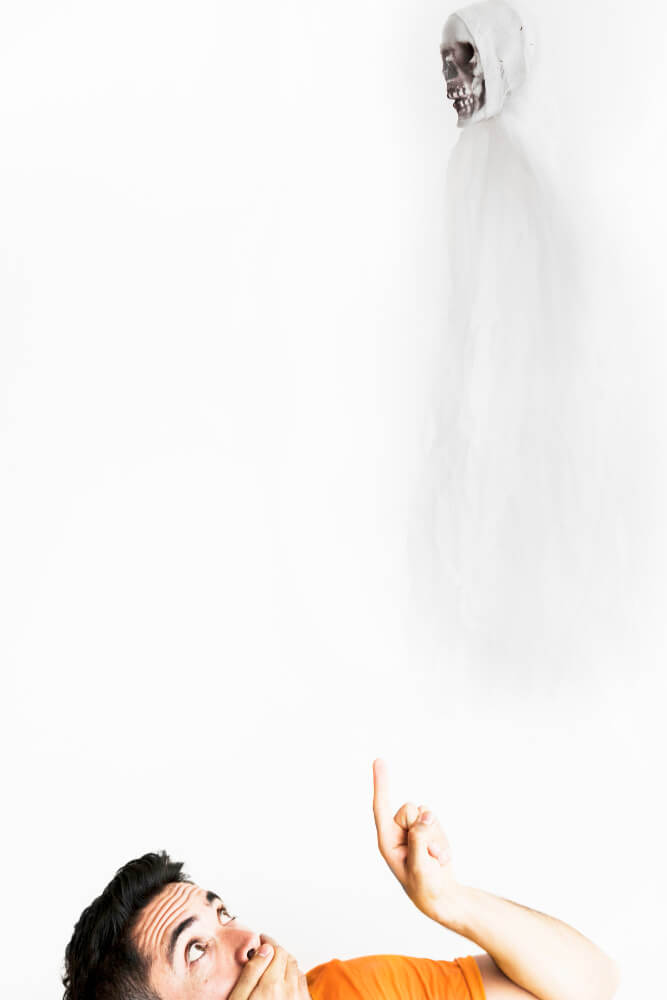
People might fear, panic, feel that they are going to die, or that they have a sense of doom. Anxiety can be induced even by contemplating the dreaded object.
One is usually aware of the irrationality of the fear, but the fear seems out of control.
→ Physical Symptoms
The most prominent are these warning signs of phobias. If you have a phobia, you can experience heartbeat issues. You might also start shaking or feeling dizzy. Panic attacks and sweating are also normal.
→ Behavioral Symptoms
Phobias can also develop through avoidance. People can do anything to prevent triggers, including reorganizing their whole life.
In extreme circumstances, mobility, relationships & career opportunities may be restricted by this avoidance.
How Phobias Affect Daily Life?

Phobias can interfere with almost all areas of life. An individual with a fear of flying may not have the chance to travel or even to get a career.
By having an irrational fear, you might also want to skip school or work. If you give in to the anxiety, it can cost you severe consequences. Like, low self-esteem and loneliness. You can also get depression and mental health issues...
How Phobias Are Diagnosed?

The diagnosis is usually done with a thorough psychological assessment by a mental health professional.
Therapists for phobias determine the severity, length, and the effects of the fear on the day-to-day functioning.
Diagnostic criteria usually comprise:
- Constant and unremitting fear for six months or longer.
- Anxiety response immediately after exposure to the trigger.
- Proactive prevention or severe discomfort.
- Disruption of normal living.
Medical conditions are also disqualified to make sure that the phobia symptoms are not brought about by other health problems.
What are the Treatment Options for Phobias?
Phobias can be treated with a lot of ease and there are several people who have been treated and greatly improved by simply using the right interventions.
 → Cognitive Behavioral Therapy
CBT is a very useful therapy treatment of phobias. In this talk therapy, a professional lets you delve into your mind and find the root cause of what is causing the fear. After that, you and your counsellor can work on it together.
→ Exposure Therapy
Exposure therapy is often used in combination with CBT and is a gradual and controlled exposure to the feared object or situation. Repeated exposure decreases fear responses with time and is called desensitization.
→ Medications
Prescription of medications can be done to address symptoms in certain instances. It may be in the form of anti-anxiety drugs or antidepressants.
Although they are not a cure, they will aid in lowering the level of the symptoms in the course of treatment.
→ Relaxation Techniques, Mindfulness, and Lifestyles
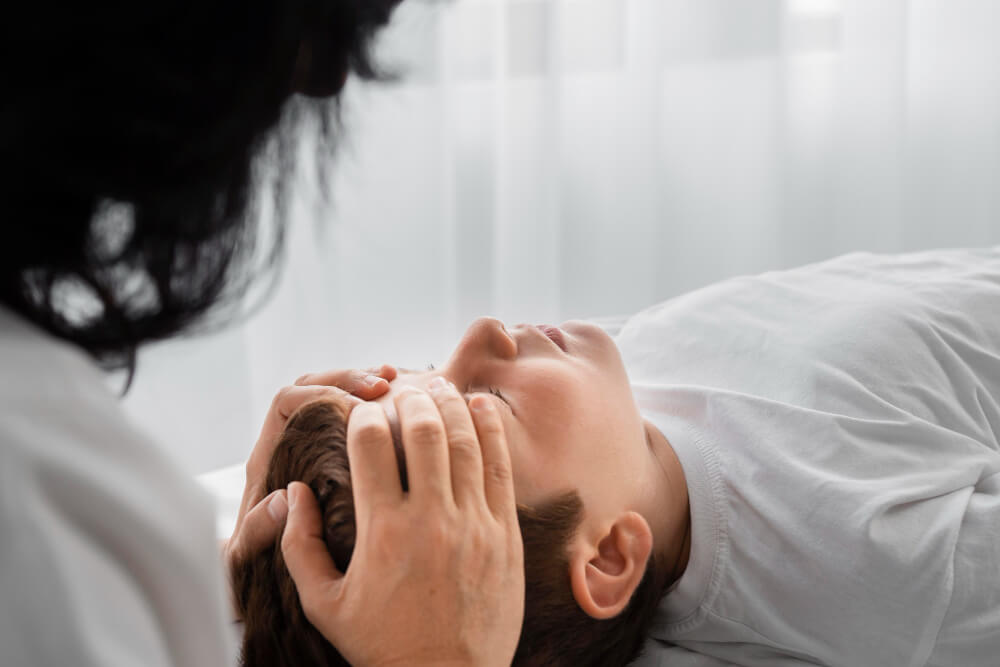 Phobia treatment includes relaxation of the stress response of the body and enhancement of the general resilience. Try relaxation techniques like breathing in and out and doing meditation when you feel anxious. Other things you can try are:
- Skipping coffee or caffeine from your routine.
- Do physical exercise in the morning.
- Get a massage for body relaxation.
- Try controlling your emotions.
Risk Factors of Phobias
There are some causes that predispose an individual to a phobia. These include a family history of anxiety disorders, exposure to traumas during early years, excessive sensitivity to stress, and certain personality factors such as behavioral inhibition.
Age is also a factor- phobias begin during childhood but may be perpetuated during adulthood unless it is treated.
When Should You Seek Professional Help?
Once the fear begins to disrupt the normal operation, then it is time to get assistance by going to a phobia treatment center. Professional help can prove very helpful in case the avoidance of restrictions hinders the options, relationships, or well-being.
The quicker the intervention, the better. The patient is not required to wait until the symptoms are severe.
Prepared to Get over Your Phobia? First Step with Health & Psychiatry!
Having fears is normal as we’re all humans. But if your fears are affecting your normal life, then you need to get them treated with professional help. At Health & Psychiatry, we offer support to get past your phobias.
Start your healing journey with us!
We also offer virtual mental health care & phobia treatment in Florida through telpsychiatry services… Book your appointment!
FAQs
Are phobias genetic?
There is a genetic aspect of phobias. Having a family history of anxiety disorders increases people's susceptibility to anxiety disorders, but environmental factors also play a significant role.
Are phobias a mental disease?
Phobias are mental health disorders that are indeed anxiety disorders. They have identified and curable health conditions.
Can phobias go away on their own?
There might be a possibility that time can cure some mild phobias but most of them are untreated. Professional intervention has a great likelihood of recovery.
→Are children able to develop phobias?
Yes, phobias can start during childhood. This may be as a result of early experiences, learned behaviors and developmental factors.