Quick Answer
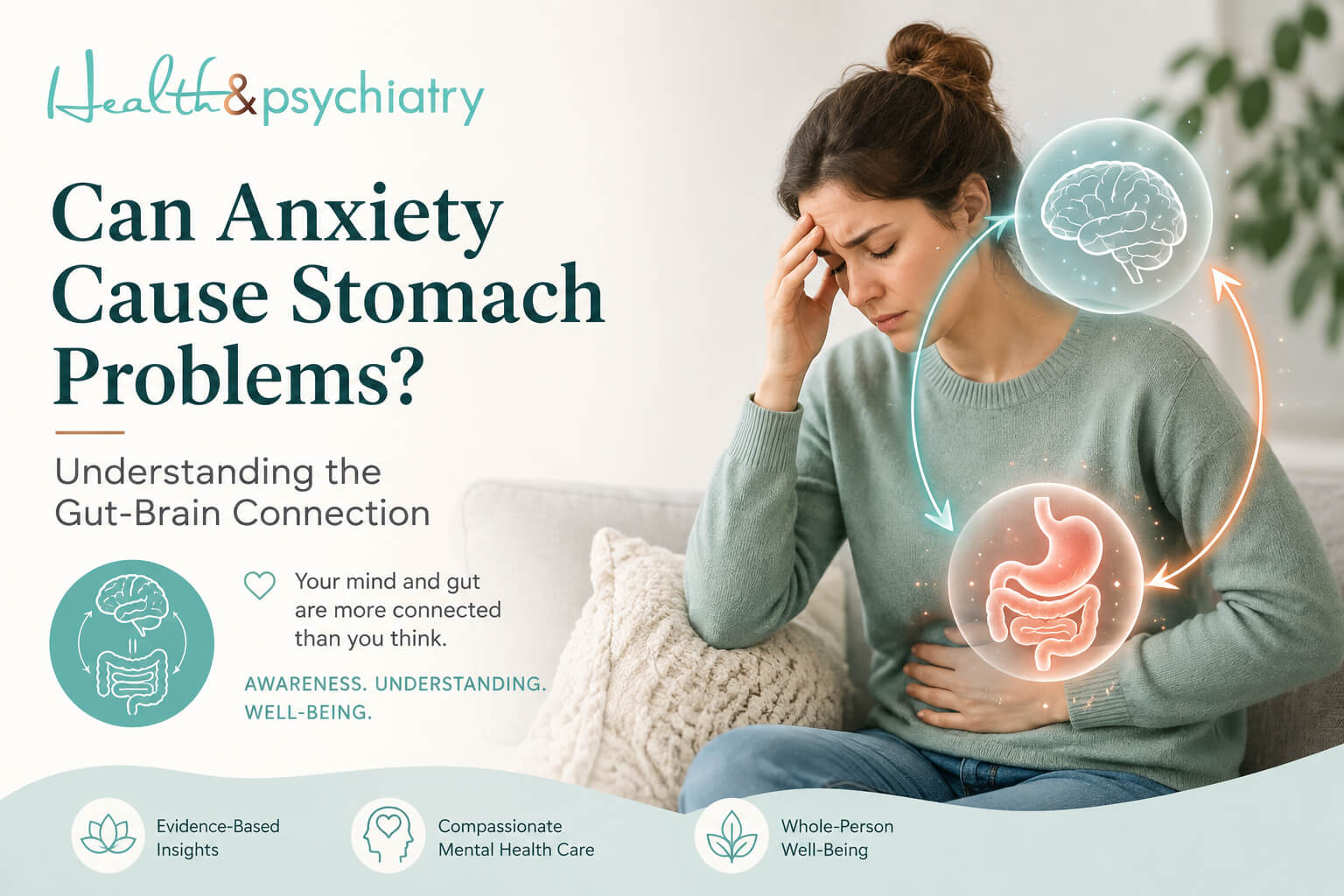
Yes, anxiety can cause or intensify stomach problems. The brain and digestive system communicate through nerves, hormones, and other biological pathways. During anxiety, this communication may alter digestion and increase sensitivity to normal sensations. However, recurring or severe gastrointestinal symptoms should not automatically be attributed to anxiety because medical conditions can cause similar problems.
✅ Anxiety can affect digestion through the gut-brain connection.
✅ Symptoms may include nausea, cramps, bloating, diarrhea, or constipation.
✅ Digestive discomfort is physical and not simply “in your head.”
✅ Stomach symptoms do not automatically mean you have an anxiety disorder.
✅ Persistent or concerning symptoms require medical assessment.
✅ Addressing anxiety may help when it contributes to digestive distress.
If worry and physical symptoms are disrupting your daily life, explore anxiety treatment in Tampa Bay.
Introduction
A difficult meeting, financial concern, medical appointment, or stressful drive may leave you with a tight stomach, nausea, or an urgent need to find a restroom. These reactions are common because your emotional and digestive systems continuously communicate.
For some people, however, anxiety stomach problems occur frequently enough to affect eating, work, travel, sleep, and social activities. The discomfort may then create more worry: Is something medically wrong? Will symptoms begin when you leave home? What if you cannot reach a restroom?
Anxiety can produce real digestive symptoms, but it is not the only possible cause. Gastroesophageal reflux, irritable bowel syndrome, infection, food intolerance, medication effects, and other conditions may cause overlapping symptoms. A responsible approach considers both physical and psychological factors.
This guide explains the gut-brain connection, common digestive symptoms associated with anxiety, warning signs that require medical attention, and how Tampa Bay residents can seek appropriate care from Health & Psychiatry’s Oldsmar clinic.
What Is the Gut-Brain Connection?
The gut-brain connection refers to two-way communication between your brain and gastrointestinal system. Your brain can influence digestion, and activity within your digestive tract can send signals back to your brain.
This communication involves several systems, including:
- The central nervous system
- The enteric nervous system within the digestive tract
- The autonomic nervous system
- The stress-response system
- Hormones and chemical messengers
- Immune activity
- The intestinal microbiome
The connection helps explain why you may feel “butterflies” before an important event or nausea during intense worry.
Harvard Health Publishing notes that emotional states can trigger gastrointestinal symptoms and that digestive distress can also contribute to emotional distress. The relationship therefore works in both directions.
This does not mean digestive symptoms are imaginary. Anxiety can influence physical processes such as gut movement, muscle contractions, and sensitivity to discomfort.
How Can Anxiety Cause Stomach Problems?
When your brain perceives a threat, the body activates its stress response. This reaction prepares you to respond quickly by changing heart rate, breathing, muscle tension, and digestion.
Digestion may speed up or slow down
Anxiety can alter how quickly food and waste move through the gastrointestinal tract. Depending on the person and situation, this may contribute to diarrhea, constipation, cramping, or an urgent bowel movement.
The gut may become more sensitive
Some people become more aware of sensations within the digestive tract during periods of stress. Normal movement, gas, or fullness may feel more uncomfortable than usual.
Breathing patterns may change
Rapid or shallow breathing can lead to swallowed air, which may contribute to belching or bloating. It may also accompany dizziness, chest tightness, and nausea during anxiety.
Daily habits may shift
Anxiety can influence behaviors that affect digestion. You might:
- Skip meals
- Eat quickly
- Consume more caffeine
- Choose highly processed foods
- Drink more alcohol
- Sleep poorly
- Exercise less
- Frequently change your diet in search of relief
These behaviors may worsen digestive discomfort even when anxiety is not the only cause.
Common Anxiety Stomach Problems
Anxiety may contribute to several gastrointestinal symptoms:
- Nausea or an unsettled stomach
- Abdominal tightness or cramping
- Bloating
- Excess gas
- Diarrhea
- Constipation
- Urgent bowel movements
- Reduced or increased appetite
- Indigestion
- A sensation of “butterflies”
- Discomfort that increases before stressful situations
The National Institute of Mental Health includes stomachaches and frequent bathroom trips among possible physical symptoms associated with generalized anxiety disorder.
Experiencing one of these symptoms does not establish an anxiety diagnosis. A provider considers how often symptoms occur, how long they last, what triggers them, and whether they impair daily functioning.
Anxiety Stomach Problems vs a Digestive Condition
Anxiety and digestive disorders can overlap. Anxiety may trigger gastrointestinal symptoms in someone without a diagnosed digestive condition, worsen an existing condition, or develop because unpredictable symptoms feel frightening.
| Pattern | Anxiety may contribute | Medical assessment is especially important |
| Timing | Symptoms increase before stressful events | Symptoms occur consistently regardless of stress |
| Duration | Symptoms ease when the stressful situation passes | Symptoms persist, recur, or progressively worsen |
| Bowel changes | Temporary diarrhea or constipation | Sustained or unexplained bowel changes |
| Appetite | Short-term appetite changes | Ongoing appetite loss or unexplained weight loss |
| Pain | Mild or intermittent discomfort | Severe, localized, or worsening pain |
| Other signs | Worry, tension, rapid breathing | Blood, fever, persistent vomiting, or dehydration |
This table cannot determine the cause. Anxiety and a gastrointestinal disorder can occur together, so improvement during calmer periods does not necessarily rule out a medical issue.
The National Institute of Diabetes and Digestive and Kidney Diseases describes irritable bowel syndrome as a disorder of gut-brain interaction involving abdominal pain and changes in bowel movements without visible digestive-tract damage. IBS still requires appropriate medical assessment; it should not be self-diagnosed based on anxiety symptoms. NIDDK information about IBS
When Should You See a Medical Professional?
Do not assume that new or recurring stomach symptoms are caused by anxiety. Begin with a primary care professional or appropriate gastrointestinal specialist when symptoms are persistent, unexplained, or concerning.
Seek prompt medical advice for symptoms such as:
- Blood in the stool
- Black or tarry stool
- Persistent vomiting
- Severe or worsening abdominal pain
- Unexplained weight loss
- Difficulty swallowing
- Fever
- A swollen or highly tender abdomen
- Dehydration
- Chest pain
- Symptoms that wake you repeatedly
- Significant changes in bowel habits
Call 911 or seek emergency care for severe or potentially life-threatening symptoms.
A medical professional can evaluate physical causes and determine whether laboratory testing, imaging, medication review, or referral to a gastroenterologist is appropriate.
When May Anxiety Treatment Be Helpful?
Mental-health care may be useful when:
- Worry frequently causes or worsens stomach symptoms.
- You avoid work, restaurants, travel, or social events because of digestive concerns.
- Medical tests have not fully explained the severity of your distress.
- You constantly monitor your stomach for changes.
- Fear of becoming sick creates panic or avoidance.
- Anxiety interferes with sleep, concentration, or relationships.
- Digestive symptoms and worry create a repeating cycle.
- Self-help strategies are not providing enough relief.
Physical and mental-health care do not need to be mutually exclusive. You may benefit from coordinated support from a primary care clinician, gastroenterologist, psychiatrist, psychologist, or therapist, depending on your needs.
Are worry and physical symptoms controlling your routine?
Health & Psychiatry provides personalized anxiety treatment in Tampa Bay from its Oldsmar clinic. An evaluation can help clarify whether anxiety may be contributing and which next steps are appropriate.
How Are Anxiety and Related Stomach Symptoms Evaluated?
A psychiatric evaluation focuses on the complete pattern rather than one physical symptom.
A provider may ask about:
- The nature and location of your digestive discomfort
- When symptoms started
- Stressors and situations that make them better or worse
- The frequency and intensity of worry
- Panic symptoms
- Sleep, appetite, caffeine, alcohol, and substance use
- Current medications and supplements
- Existing gastrointestinal or medical diagnoses
- Previous tests and treatment
- How symptoms affect work, relationships, and daily activities
A psychiatric professional does not replace gastrointestinal evaluation. If symptoms suggest a physical condition, the provider may recommend medical assessment or coordination with another clinician.
Treatment Options When Anxiety Contributes to Digestive Symptoms
Treatment depends on the anxiety condition, physical symptoms, health history, preferences, and other diagnoses.
Psychotherapy
Cognitive behavioral therapy can help you identify patterns among thoughts, physical sensations, and behavior. It may address:
- Catastrophic interpretations of stomach sensations
- Avoidance of places or activities
- Fear of vomiting or losing bowel control
- Reassurance-seeking
- Stress-management skills
- Gradual return to avoided activities
Other therapeutic approaches may be considered according to your symptoms and provider’s clinical judgment.
Medication
A psychiatrist may discuss medication when anxiety is persistent, impairing, or not adequately managed through other measures. Medication is not appropriate for everyone, and some psychiatric medications may initially affect the digestive system.
Your provider should consider existing gastrointestinal symptoms, other prescriptions, possible interactions, and side effects. Do not start or stop medication without professional guidance.
Supportive habits
Daily strategies may complement professional care:
- Eat regular meals rather than skipping food.
- Reduce excessive caffeine if it worsens anxiety or digestion.
- Maintain consistent sleep and wake times.
- Practice slow, comfortable breathing.
- Use regular physical activity when medically appropriate.
- Track symptoms without checking them compulsively.
- Limit alcohol and non-prescribed substances.
- Avoid highly restrictive diets unless recommended medically.
These steps may help manage symptoms but cannot treat every gastrointestinal or anxiety condition.
Breaking the Anxiety–Stomach Cycle
Anxiety and digestive discomfort can reinforce each other:
- A stressful situation produces stomach discomfort.
- You notice the sensation and fear it will worsen.
- Your anxiety response becomes stronger.
- The increased stress intensifies digestive symptoms.
- You avoid the situation, which temporarily reduces anxiety.
- Avoidance reinforces the belief that the situation was dangerous.
Treatment may help interrupt this cycle by changing how you interpret sensations, reducing avoidance, improving anxiety management, and coordinating appropriate medical care.
The goal is not to dismiss the stomach symptoms. It is to respond to them accurately and address each contributing factor.
Anxiety Care for Tampa Bay Residents
Health & Psychiatry serves Tampa Bay from its clinic at 3919 Tampa Rd First Floor, Oldsmar, FL 34677.
Adults from Oldsmar, Clearwater, Palm Harbor, Safety Harbor, Westchase, and nearby communities may request an appointment to discuss persistent anxiety and related physical symptoms. Care recommendations, appointment suitability, and insurance coverage vary by individual circumstances.
If you have not received medical evaluation for persistent stomach symptoms, the clinical team may recommend coordinating care with your primary care professional or a gastrointestinal specialist.
Conclusion: Getting Help for Anxiety Stomach Problems
Anxiety stomach problems can occur because the brain and digestive system communicate continuously. Anxiety may change digestion, increase sensitivity to physical sensations, and create symptoms such as nausea, cramping, bloating, diarrhea, or constipation.
However, stomach symptoms should not automatically be attributed to anxiety. Persistent, severe, or unusual symptoms require medical evaluation, and some people need support for both gastrointestinal and mental-health concerns.
If worry and physical discomfort are limiting your daily life in Tampa Bay, you do not have to determine the cause alone.
Frequently Asked Questions
Yes. Anxiety can affect gut movement, sensitivity, breathing, appetite, and other physical processes through the gut-brain connection.
It may feel like nausea, tightness, cramping, bloating, butterflies, diarrhea, constipation, indigestion, or an urgent need to use the restroom.
Duration varies. It may improve after a stressful event or recur with ongoing anxiety. Persistent or worsening pain should be assessed medically.
You cannot always determine the cause by yourself. Timing may provide clues, but a healthcare professional should assess persistent, severe, or concerning symptoms.
Stress and anxiety may worsen symptoms in some people with IBS. IBS is a disorder of gut-brain interaction and requires appropriate medical evaluation and management.
A gastroenterologist evaluates digestive conditions, while a psychiatrist evaluates anxiety and related mental-health concerns. Some people benefit from coordinated care with both.
It may help when anxiety contributes to digestive distress. Results vary, and physical causes should also receive appropriate medical attention.
Health & Psychiatry provides psychiatric care from its Oldsmar clinic serving Tampa Bay. You can request an appointment to discuss your anxiety symptoms and care options.