
Dementia is not a disease but a general term that is used to refer to a decline in cognitive abilities to the level that it interferes with normal life. It affects the memory, thinking, behavior, and the ability to carry out daily activities.
When we talk about the stats,
- WHO records that from 57 million dementia patients, 2/3rd are women.
- The chances of women getting dementia compared to men are twice as much, says the Alzheimer's Association.
So, with that in mind, it is important to know what is detrimental to women and how to tackle it.
Why Dementia Is More Common in Women?

The increased rates of dementia in women as compared to dementia in men can be explained by a complex of biological and lifestyle-associated factors.
→ Life Expectancy
Longer life expectancy is one of the most apparent explanations. The longevity of women compared to men means that women are more likely to acquire dementia, as age is the most powerful risk factor & women have longevity.
→ Hormones
Hormonal alterations are also important for dementia in elderly women. The hormone estrogen, which reduces drastically after menopause, is thought to protect the brain. Its decrease can lead to cognitive impairments and elevated susceptibility to neurodegenerative conditions.
A recent study indicates that alterations in the brain metabolism due to menopause could increase the progression of other diseases such as Alzheimer's.
→ Genes
Genetics also makes things more complicated. Some genes, including APOE-e4, have been linked to an increased risk of developing dementia, and research indicates that women with this type of gene may be at a greater risk compared to men with the same genetic makeup.
→ Social Factors
In addition to the biological factors, there are social roles and stressors. Women tend to be more caregivers to aged parents, husbands or children. Stressful experiences associated with caregiving have been linked to higher levels of inflammation and deterioration with age.
Also, past educational and labor market differences in certain areas can impact cognitive reserve which is the ability of the brain to withstand damage.
→ Lifestyle Factors
How you live is also considerable. If you’re not fit or not eating healthy enough, it will come back to you. Moreover, if you’re depressed or having mental health issues, it is also a risk factor.
Early Signs of Dementia in Women
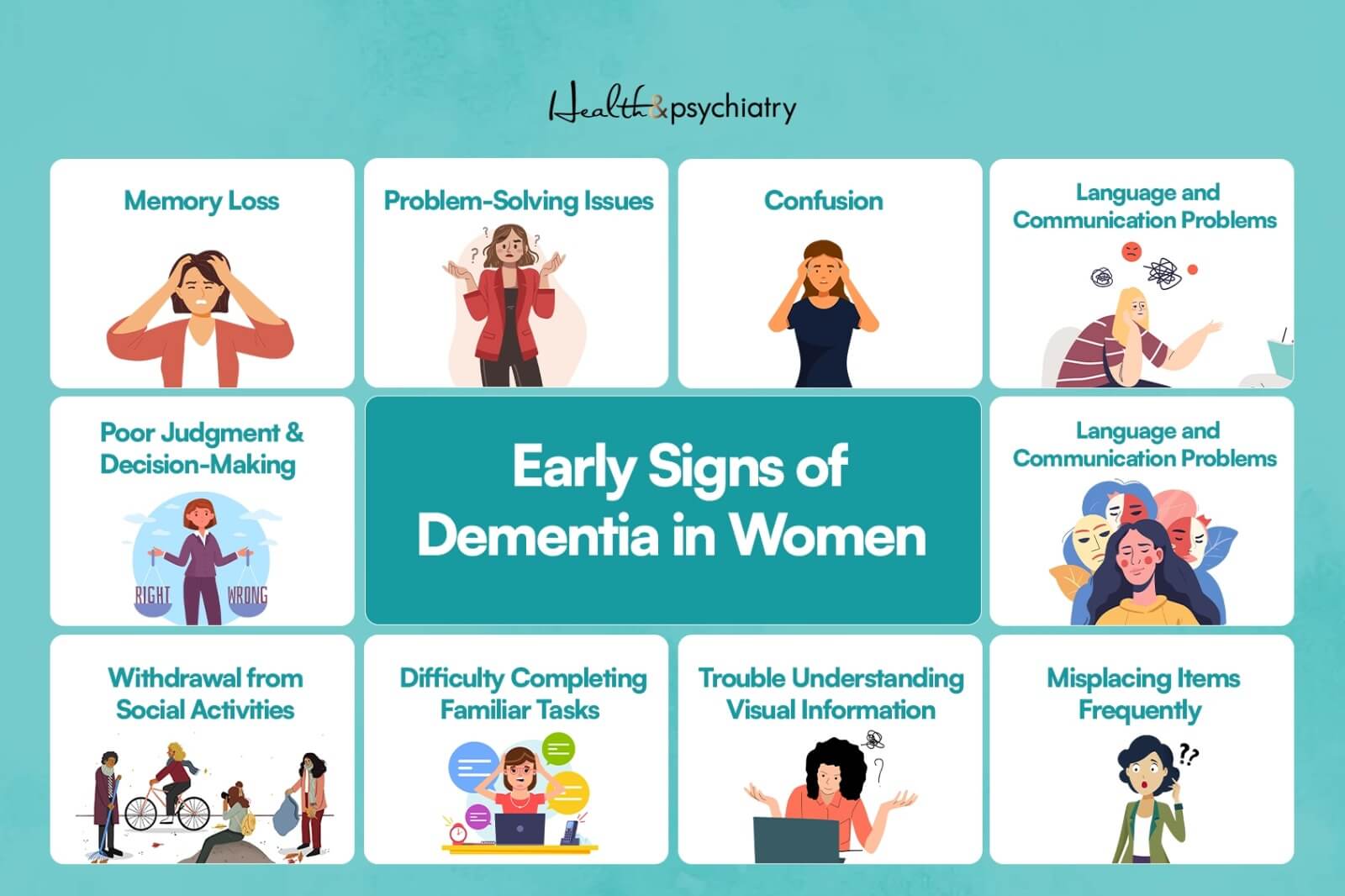
Identification of early signs of dementia in women may go a long way in the management of dementia.
→ Memory Loss
Among the most frequent factors of the initial manifestation is the loss of memory that interferes with everyday life.
This is not about forgetting names or appointments every now and then, but about asking the same questions over and over again or about having to use memory aids extensively.
→ Problem-Solving Issues
Problems with planning or problem-solving are another significant indicator. Activities that were previously considered routine like having finances, a recipe or scheduling, may become unclear or overwhelming.
→ Confusion
Another typical initial symptom is confusion. Women can lose sense of time, lose their location, or have difficulty learning the relationships between space.
This confusion may result in confusion even in well-known surroundings, and it may be uncomfortable and hazardous unless dealt with promptly.
→ Language and Communication Problems
Difficulty finding the right words. Following conversations or repeating phrases can appear early. Women may stop mid-sentence. Also struggle to express thoughts clearly.
→ Misplacing Items Frequently
Placing objects in unusual locations. Such as putting keys in the refrigerator. With being unable to retrace steps to find them is a common early sign.
→ Poor Judgment and Decision-Making
It comes with noticeable changes in judgment. Includes poor financial decisions, neglecting personal hygiene, or making unsafe choices.
→ Mood and Personality Changes
Subtle emotional shifts is a noticeable early dementia signs. Women in dementia may become more anxious. Irritable, suspicious, or withdrawn, especially in unfamiliar settings.
→ Withdrawal from Social Activities
Loss of interest in hobbies. No social interactions or activities they once enjoyed. This may stem from difficulty keeping up with conversations or tasks.
→ Difficulty Completing Familiar Tasks
Everyday activities like cooking, driving, or using household appliances may become challenging.
→ Trouble Understanding Visual Information
Difficulty judging distance, recognizing colors, or reading can occur, increasing the risk of falls or accidents.
→ Decreased Initiative (Apathy)
A noticeable lack of motivation or interest in starting activities, even simple daily tasks.
Symptoms of Dementia in Women
Symptoms intensify and diversify with the progression of dementia.
|
Category |
Symptoms |
|
Cognitive Symptoms |
|
|
Emotional & Behavioral |
|
|
Physical Symptoms |
|
Causes of Dementia in Women

Dementia can be a result of several underlying conditions.
→ Alzheimer's disease is the most prevalent causative agent and is brought about by the deposition of proteins in the brain in an unnatural manner, which impairs communication among the nerve cells.
→ The other significant cause is Vascular dementia, which is precipitated by a failure of blood supply to reach the brain, which is usually caused by stroke or other heart conditions.
→ Lewy body dementia can also be a cause. It comes with hallucinations and involuntary movements.
→ Other causes are traumatic brain injury, prolonged stress, depression, etc., and related issues like obesity and smoking. These risks can be further increased in women by hormonal changes and genetic predispositions.
Diagnosis Evaluation of Dementia in Women

Dementia diagnosis is a complex process and not a test. Medical history and cognitive assessments are usually started by physicians in order to evaluate memory, language, and problem-solving skills.
In determining structural changes in the brain, neuroimaging may include MRI or CT scans.
Blood tests can also be carried out to eliminate other diseases, including vitamin deficiencies and thyroid diseases, which can resemble the symptoms of dementia.
In different instances, there are special tests, such as neuropsychological tests, that are conducted in order to give a more precise description of cognitive functioning. Early diagnosis is essential; the patient can be treated, and symptoms can be managed.
Dementia Treatment
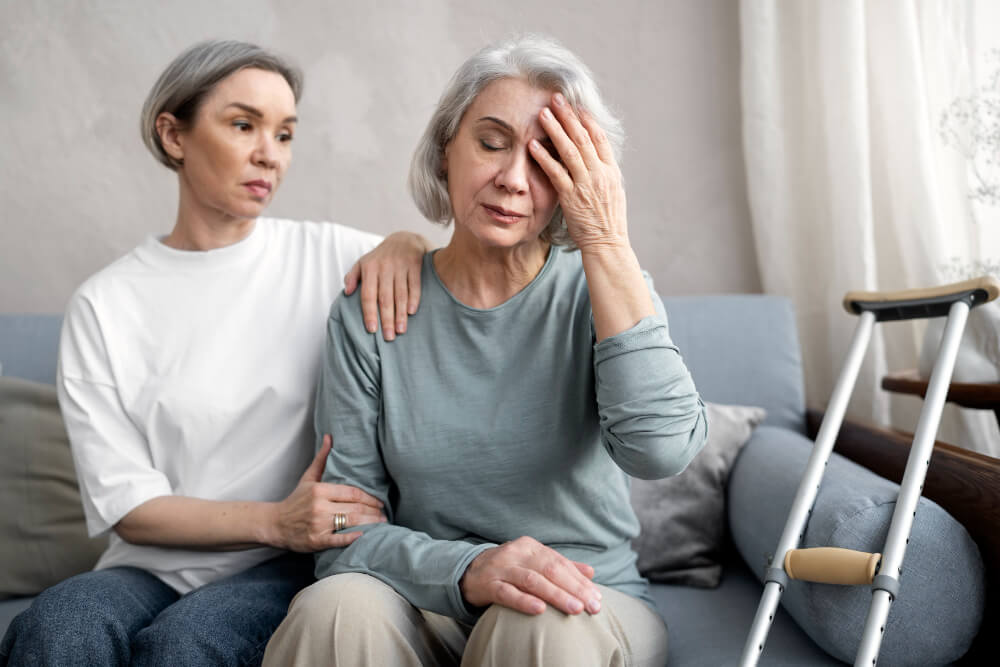
At present, there is no cure for dementia, but there are certain dementia treatment options that could help to manage the symptoms based on the stages of dementia in women and improve the quality of life.
1. Medication
Dementia medication is a common treatment for dementia. While there is no cure, the condition can be taken under control and slowed down with the help of drugs.
2. Therapy
With the assistance of cognitive therapy, physical activity, and socializing, the condition can be slowed down and well-being promoted. Scheduling and favorable environments also help individuals to remain as independent as they can as long as possible.
3. Support
Caregivers are very sacred in this. And education of support and caregivers is also important.
What are the Risk Factors for Women and Dementia?
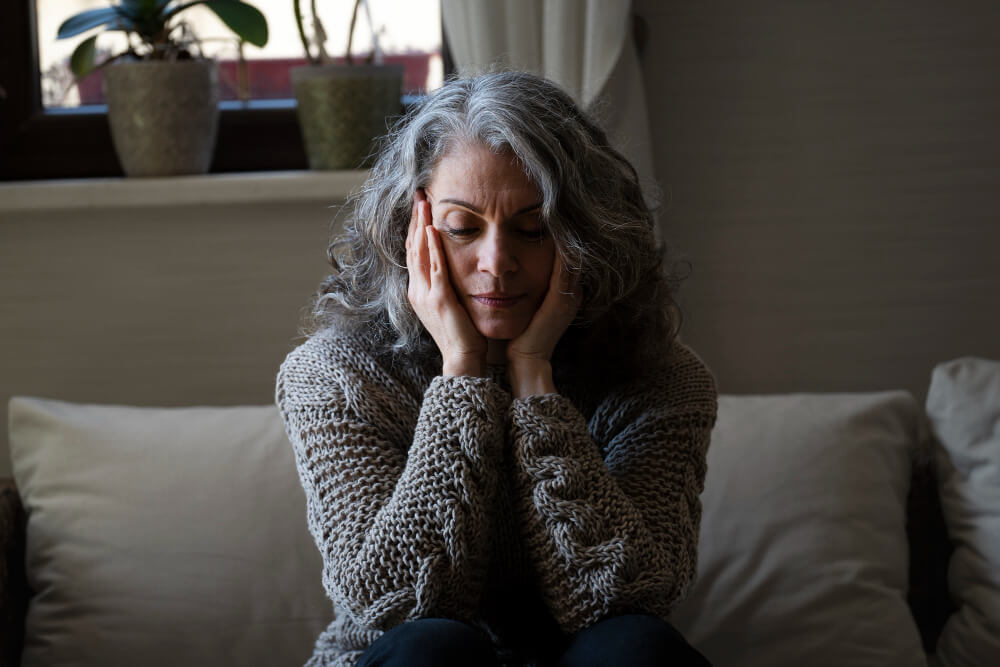
Several risk factors for dementia in women exist.
- Age is the most important factor, and other factors are also significant.
- The cardiovascular health plays an important role; other diseases, including high blood pressure, high cholesterol, and diabetes, can put them in danger.
- The lifestyle is also crucial. Risk factors of dementia include physical inactivity, poor diet, smoking.
- Additional factors are mental health factors, such as depression and chronic stress.
- Cognitive reserve is affected by educational attainment and cognition in life. The women, who have fewer possibilities to be educated or intellectually stimulated, can be at risk, which is why it is important to study throughout their lives and use their minds.
Professional Dementia Care in Tampa at Health & Psychiatry!
If you or a loved one is experiencing early signs of dementia or changes in memory, behavior, or mood, don’t wait!!
Early intervention and proper treatment options for dementia in men and women can make a meaningful difference in managing symptoms and improving quality of life.
If you are looking for dementia treatment near me, at Health & Psychiatry in Tampa, Florida, we provide comprehensive, patient-centered care designed to support both cognitive and emotional well-being.
Our Services Include:
→ Cognitive assessments & memory evaluations.
→ Dementia screening & diagnosis support.
→ Psychiatric consultations & mental health evaluations.
→ Treatment for depression, anxiety, and mood disorders.
→ Cognitive behavioral therapy (CBT) and counseling.
→ Caregiver support & education programs.
→ Personalized treatment & long-term care planning.
Whether you need guidance, diagnosis, or ongoing support, our experienced team is here to help you every step of the way.
Book your consultation today and take the first step toward better brain and mental health.
FAQs
Are women prone to hereditary dementia?
Dementia may be inherited, particularly when it is accompanied by some gene mutations. No one cause there is. When the stress and other factors are combined with genes, then it can become a problem.
What is the mean age of women developing dementia?
Females are dementia-prone if they are over 65. It can exhibit between forty and fifty years in some cases.
Are women more likely to have dementia than men?
Yes, women are more likely to experience dementia than men due to various circumstances such as lifestyle, menopause, hormones, social roles, etc.