Alcohol use disorder, or AUD, is a well-documented neuropsychiatric disorder of the brain, impacting emotional control and behaviour. There are a lot of misconceptions about alcohol problems. It remains common for people to think that they can just “try harder” or just “exercise more self-control” to get better or cure their addiction to alcohol.
Perhaps for those whose lives are suffering because of their drinking, using willpower alone can postpone treatment and make things worse in many areas of life—from physical to emotional to relationship difficulties. It is important to know when to take a step to professional alcohol use disorder treatment from a psychiatrist to recover.
For those who are suffering from AUD, an alcohol use disorder treatment psychiatrist can offer a particular kind of support that includes both alcohol addiction and mental health concerns that are frequently related to that.
What is Alcohol Use Disorder (AUD)?
Alcohol Use Disorder is defined as more than just heavy drinking or weekend binge drinking. It is a mental health disorder according to DSM-5 (5th edition of the Diagnostic and Statistical Manual of Mental Disorders) in which a person can't stop drinking alcohol or control their consumption, which causes harm.
The National Institute on Alcohol Abuse and Alcoholism (NIAAA) states that the severity of AUD can vary from mild to severe and can include craving, loss of control, withdrawal, and continued drinking despite severe alcohol-related problems.
Misuse of alcohol alters the brain's stress, pleasure, and decision-making and emotional control centres. Dealing with these changes in the brain without professional support is very difficult, which is another reason that alcohol use disorder treatment is important.
Get Alcohol Use Disorder treatment in Florida at Health & Psychiatry, under the expert, compassionate, and confidential care of Dr. Dinar Sajan, MD., and her team.
Talk to a Psychiatrist if willpower alone is not working for you…
Call Now: 727-733-6111 | Book an Appointment
Why Willpower Alone Often Fails to Avoid Drinking?
This is because willpower alone is not enough. “Just stop drinking” is an oversimplified statement of a complex condition.
NIH reports say that alcohol disrupts the neural reward system and neurotransmission systems that influence mood, motivation, and impulse control. As time goes on, drinking may not be fun anymore, but more to stave off discomfort, anxiety, or withdrawal.
The research indicates that millions of Americans have AUD, but only a small number seek professional help for it.
According to NIAAA data, only 7.6 percent of nearly 28 million Americans with Alcohol Use Disorder (AUD) got alcohol treatment in the year leading up to 2017. These statistics indicate that there is a significant treatment gap that results from stigma and disrespect around drug use and addiction.
Seeking help is not a sign of weakness but a sign of realization of the medical situation that needs a professional alcohol addiction psychiatrist. That’s why Dr. Sajan at Health & Psychiatry is here for alcohol use disorder treatment.
Signs You Need a Psychiatrist for Alcohol Use Disorder!
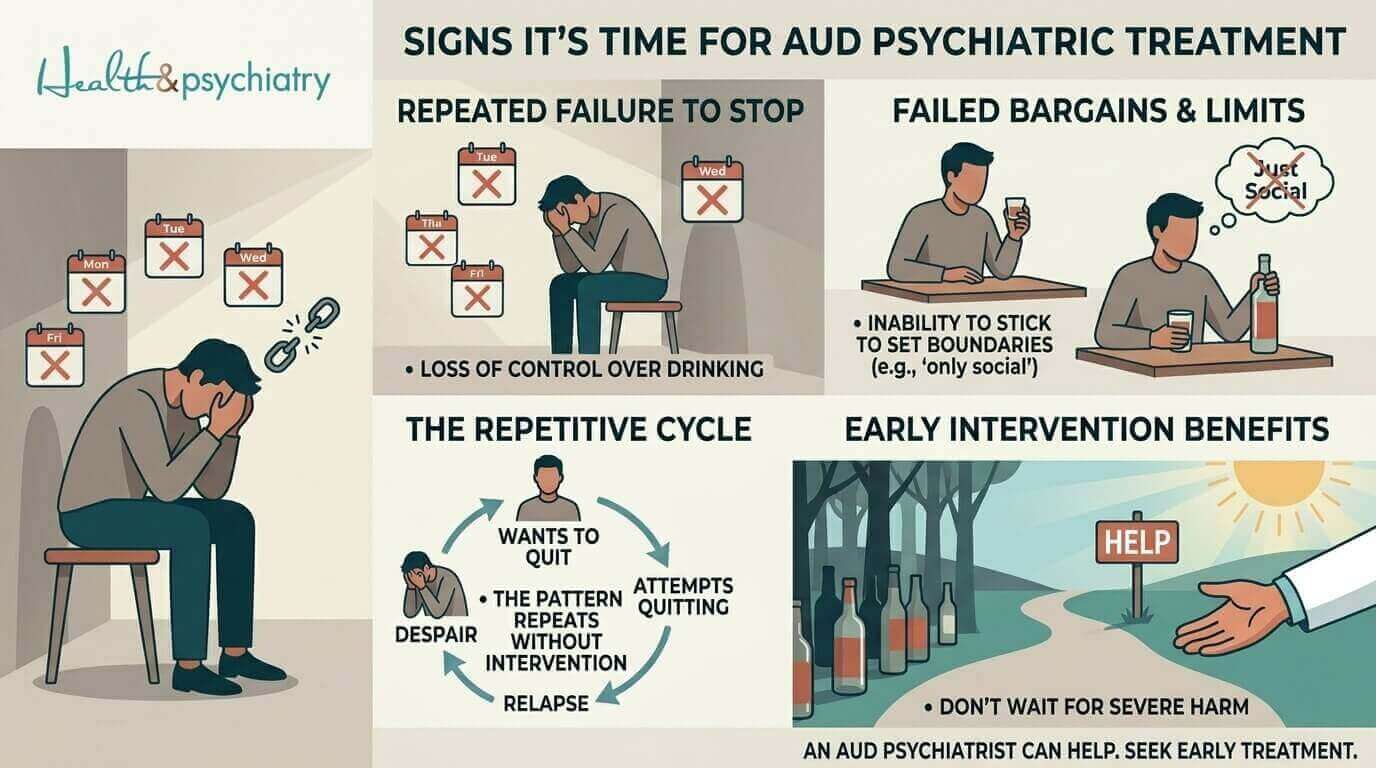
Many people don't get help until they feel the harm of alcohol is serious. Early intervention with an alcohol abuse psychiatrist can have a positive impact on the long-term consequences.
Here are some indications that it might be time to see an alcohol use disorder treatment psychiatrist.
- Repeated unsuccessful attempts to reduce or stop drinking are one of the obvious signs of AUD.
- You could make a bargain with yourself that you'll drink socially or that you will only have a little, but then you end up going back to your former strategies.
- This cycle becomes repetitive.
The alcohol use disorder treatment psychiatrist can help determine the roots of the problem. Through extensive psychiatric evaluations, a skilled psychiatrist for alcoholism can recognize if the drinking is a way of hiding or exacerbation of a psychiatric disorder.
Other signs that you may need to seek help for your drinking habits are:
1. Withdrawal Symptoms: People going through withdrawal must face the 3 points below:
- Tremors
- Sweating
- Irritability
- Insomnia
- Nausea
- Panic
- Elevated heart rate
For those who are severely affected, seizures may also occur. Heavy drinkers are at risk for alcohol withdrawal to become quite dangerous, and may need medical supervision, according to NIAAA. A psychiatrist is able to decide if detox and medical monitoring are required.
2. Alcohol Is Damaging Relationships or Work: Alcohol problems are seldom isolated problems.
You may notice increased arguments, social withdrawal, and avoidance behaviour. Other alcohol abuse effects on relationships include: missed responsibilities, career problems, legal concerns, and reduced motivation.
If drinking is starting to affect daily functioning, it's important to get help from an alcohol addiction psychiatrist.
3. You Drink to Feel “Normal”: Some people don't imbibe alcohol for pleasure anymore.
Rather, though, alcohol is a means of coping with emotional discomfort or just feeling "normal”.
This change is often a sign of more severe psychological and neurological alcohol abuse that requires specialized psychiatric treatment for addiction.
How Alcohol Abuse Affects Mental Health?
The National Institute on Alcohol Abuse and Alcoholism (NIAAA) reports that co-occurring psychiatric disorders occur in many people with AUD.
Alcohol use can often lead to:
- Anxiety disorders
- Depression
- PTSD
- Bipolar disorder
- Trauma-related disorders
- ADHD
Why Alcohol Use Disorder Treatment Often Requires Dual Diagnosis Care?
Alcohol Use Disorder rarely exists in isolation. Many individuals struggling with alcohol dependency also experience underlying mental health conditions such as anxiety, depression, PTSD, bipolar disorder, or unresolved trauma. In many cases, alcohol becomes a coping mechanism for emotional distress, making recovery far more complex than simply stopping drinking.
Without addressing the psychological factors contributing to alcohol misuse, the risk of relapse remains significantly higher. This is why effective Alcohol Use Disorder treatment often includes dual diagnosis care.
Dual diagnosis is an integrated approach that treats both substance use and co-occurring mental health conditions simultaneously.
Research from the National Institute on Alcohol Abuse and Alcoholism shows that mental health disorders and trauma histories are major risk factors for developing Alcohol Use Disorder or Alcoholism.
How Psychiatric Treatment Helps with AUD?
A psychiatrist specializing in addiction medicine evaluates how mental health symptoms and alcohol dependency influence one another, allowing for a more personalized and effective treatment plan.
When both conditions are treated together under psychiatric supervision, patients often experience:
- Better emotional stability.
- Reduced relapse risk.
- Improved coping mechanisms.
- More sustainable long-term recovery.
- Stronger overall mental and physical health outcomes.
How is Alcohol Use Disorder Treated?
Professional psychiatric care is more than simply telling a person to quit drinking. Your alcohol use disorder treatment psychiatrist might suggest:
- Medication-assisted treatment
- Therapy and counseling
- Relapse prevention planning
- Trauma-informed care
- Mood disorder treatment
- Behavioral interventions
- Ongoing psychiatric monitoring
Alcohol screening leads to better outcomes, as does alcohol screening and early referral. A NIAAA study revealed that while most patients are evaluated for excessive drinking, few are offered referrals for treatment in their health care encounters. This is why it's important to look for specific psychiatric assistance directly.
Compassionate Alcohol Abuse Treatment in Florida with Dr. Sajan Dinar, MD.
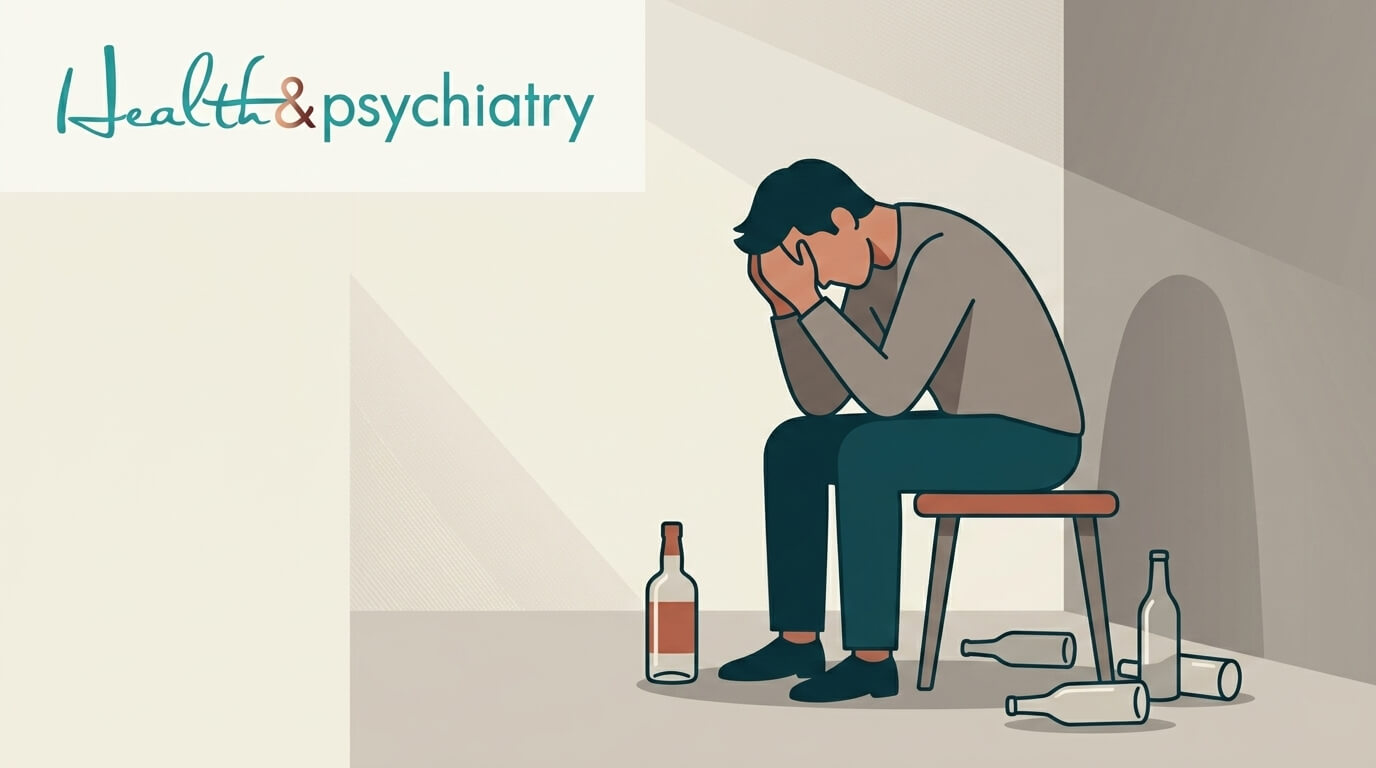
At Health & Psychiatry, Dr. Sajan Dinar provides confidential, evidence-based alcohol abuse treatment specific to each patient’s emotional, psychological, and medical needs.
Whether you are struggling with high-functioning alcohol dependence, frequent relapses, or the risk of severe withdrawal symptoms, treatment plans are designed to support both recovery and long-term mental wellness.
As an adult and integrative psychiatrist, Dr. Sajan understands that Alcohol Use Disorder is not a personal failure or lack of willpower. It is a complex but treatable medical condition that often involves underlying stress, trauma, anxiety, depression, or other mental health concerns. That is why care focuses on treating the whole person, not just the addiction itself.
Receive confidential support with a combination of psychiatric evaluation, medication management, therapy, and recovery planning, in a safe and judgment-free environment.
Our goal is healing, stability, and restoring quality of life.
We offer online telepsychiatry services in Florida and across the United States if you prefer online consultation.
FAQs
What types of questions does the alcohol use disorder treatment psychiatrist ask?
An alcohol use disorder treatment psychiatrist treats alcohol dependence and may also address mental health issues that develop due to dependence on alcohol, including depression, anxiety, and trauma.
Can alcohol use disorder be treated without rehab?
Yes. The treatment for the condition can range from outpatient psychiatric treatment, therapy, medication, and recovery planning, to outpatient care without a residential program.
Is alcoholism classified as a mental illness?
Alcohol Use Disorder is now acknowledged as a medical and psychiatric disorder that affects brain function, behaviour, and emotions.
When is the right time to get psychiatric treatment for alcoholism?
If drinking has impacted upon relationships, work, emotional health, or if you are finding it difficult to stop, although you want to reduce your drinking, please seek help.
Is it possible to get rid of the craving for alcohol with a medicine?
Yes. Medications approved by the FDA can help ease cravings and aid in recovery when under the care of a medical professional.
Does treatment for alcohol abuse in Florida keep your information confidential?
Yes. Florida alcohol abuse treatment and psychiatric services at Health & Psychiatry are committed to privacy and confidentiality, which will keep patient information safe.