
Many tend to brush off the impact mental health disorders have on the daily lives of those suffering from them. Anorexia nervosa is an eating disorder and is one of those conditions. People simply think it’s about eating less or losing weight in hopes of getting skinny… without realizing the scale of its impact on both mental and physical health…
You can get an idea of its seriousness that Anorexia is a complicated disorder with one of the highest mortality risks among mental health illnesses.
Patients suffering from anorexia nervosa disorder do not develop severe symptoms overnight. Instead, it begins with dieting or trending weight consciousness. Leading to a lack of intervention can slowly turn this concern into a deeply serious disorder that calls for expert help.
What is Anorexia Nervosa?
Commonly called an eating disorder or anorexia, medically known as Anorexia Nervosa… is a serious eating disorder and mental health condition in which a person severely restricts food intake. It may be because of an intense fear of gaining weight or becoming fat.
Due to less food intake, people with anorexia often develop a distorted body image. Meaning they may see themselves as overweight even when they are dangerously underweight.
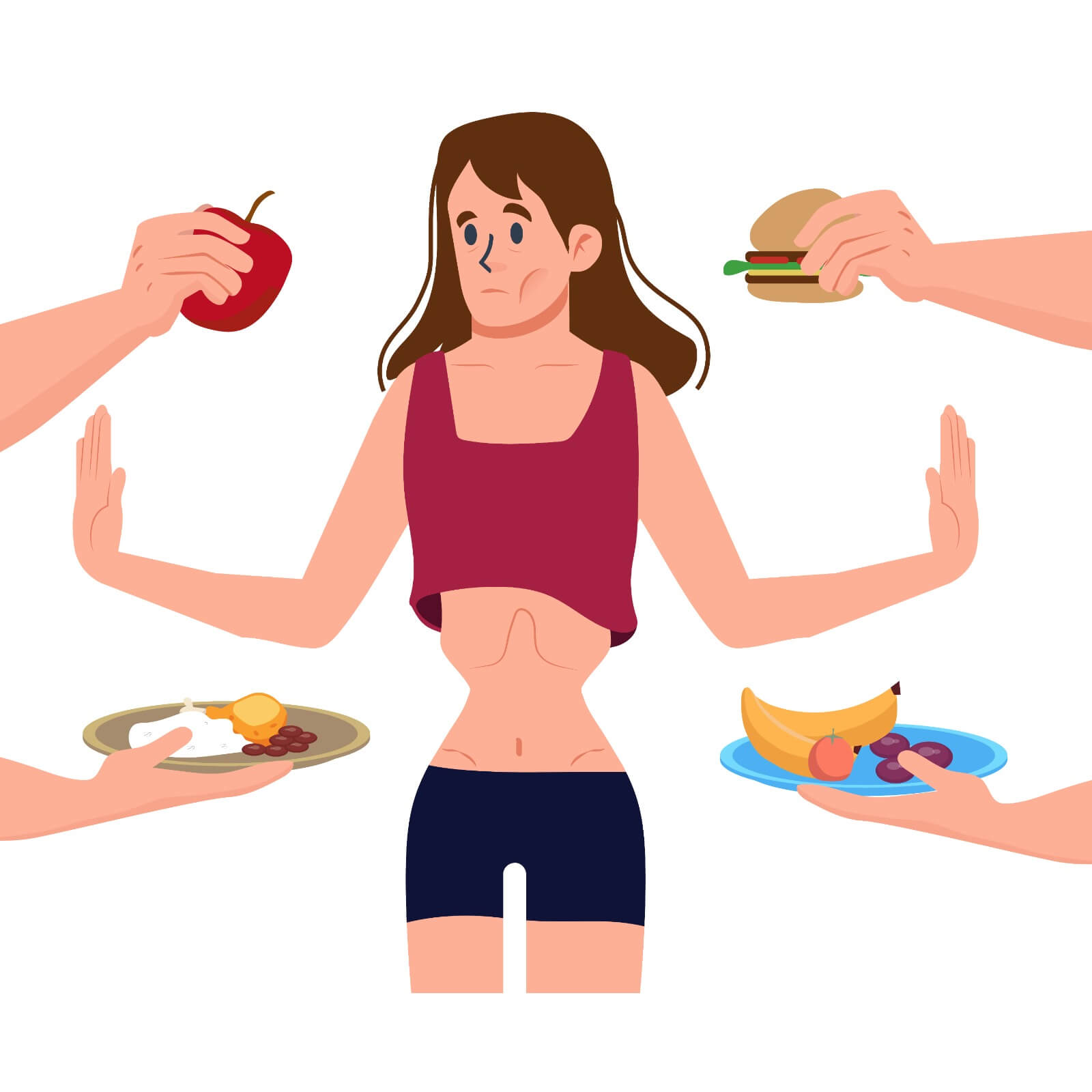 This is an obvious effect due to the disturbance of both physical and emotional health. Can lead to severe malnutrition, weakness, heart problems, hormonal imbalance, and other life-threatening complications if left untreated.
Key Characteristics of Anorexia
- Extreme restriction of food intake.
- Obsession with body weight or shape.
- Intense fear of gaining weight.
- Excessive dieting or exercise.
- Distorted perception of body image.
- Significant weight loss.
What Are the Types of Anorexia?
In Anorexia nervosa, patients have a complicated relationship with food.
They severely limit how much they eat due to fear of gaining weight. Then there is also a struggle with body image. Anorexia is of two types:
1. Restrictive Eating Disorder
This type of anorexia nervosa involves patients not eating enough food. They often skip meals, fast or exercise way too much to keep their weight down.
2. Binge-Eating Type
It includes episodes of binge eating – eating a lot at once, followed by a compulsion to get rid of it by vomiting or taking laxatives.
Why Is Anorexia Nervosa Considered a Serious Mental Health Condition?
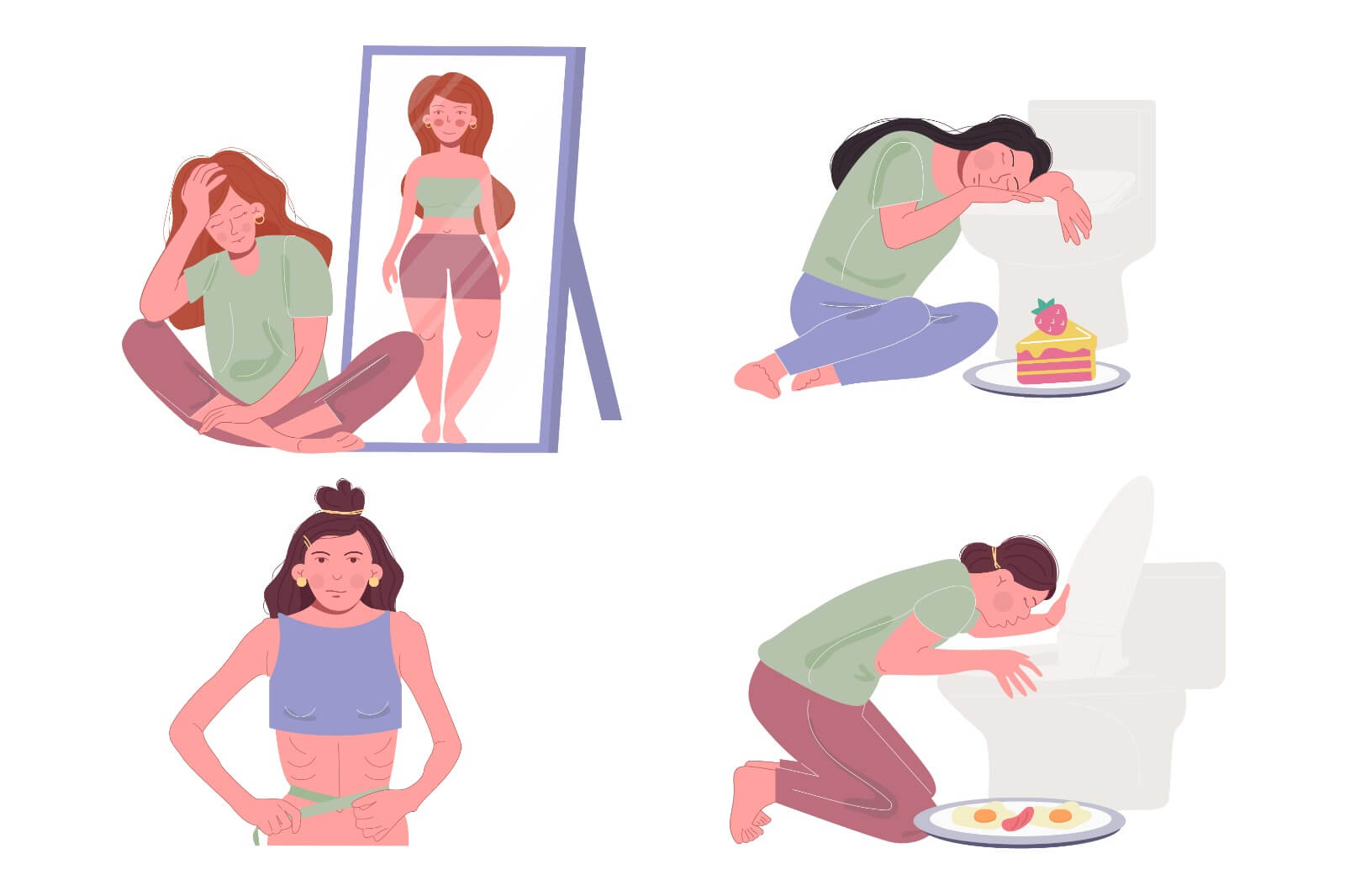
Anorexia nervosa not only affects how a patient thinks or feels… rather, it also has serious effects on the whole body.
Anorexia is considered serious because:
- Mental and physical health are affected at the same time.
- In some cases, malnutrition happens or organs start to fail.
- It has one of the highest death rates among mental illnesses.
- Patients with anorexia may also develop anxiety, depression, and obsessive behaviors.
Eating disorder therapists & doctors consider anorexia nervosa a medical emergency... Yes! Specifically, when an individual starts losing an unusual amount of weight.
What Are the Symptoms of Anorexia Nervosa?
Because it affects every aspect of a life of the patient… anorexia nervosa symptoms span multiple dimensions:
→ Physical Symptoms
Anorexia is often detected once the patient starts showing physical symptoms.
These include:
- Excessive weight loss.
- Feeling tired and weak all the time.
- Hair starts falling out.
- Irregular or absent menstrual cycles.
- Intolerant to cold and dizziness.
→ Emotional Symptoms
The mental health condition, such as anorexia nervosa has a deep effect on emotions of the patient.
The patient may develop:
- Intense fear of gaining weight.
- Low self-esteem tied to body image.
- Irritability or mood swings.
→ Behavioral Symptoms
Signs of anorexia nervosa may also start showing in how the patient behaves around food. They may start:
- Skipping meals or eating very small portions.
- Obsessive calorie counting.
- Excessively exercising.
- Avoid eating in front of others.
→ Psychological Symptoms
These include:
- Distorted body image.
- Perfectionism.
- Anxiety around food and weight.
- Denial of the seriousness of low body weight.
Early Warning Signs of Anorexia

Anorexia nervosa develops in a gradual progression of signs and symptoms. Patients often present with concerns about their weight and dieting obsession before it worsens.
Thus, it is important to look out for the following signs of anorexia nervosa in loved ones that are considered early warning.
- Sudden focus on dieting or “clean eating”.
- Avoiding certain food groups such as carbs or fats.
- Frequent weighing or body checking.
- Increased secrecy around meals.
- Withdrawal from social situations involving food.
Recognizing these signs early has a significant effect on treatment outcomes for the disease.
What Causes Anorexia Nervosa?
 There is no singular trigger that causes anorexia nervosa in individuals. It is usually developed through a combination of factors, including biological, psychological, and environmental.
→ Biological Factors
Genes are responsible. Along with hormones and an imbalanced brain chemistry. They all play a role in the development of an eating disorder.
If a family member has previously struggled with anorexia nervosa, it increases the risk in future generations.
Moreover, alterations in hunger and stress hormones can change how an individual thinks about food. Our brain has neurotransmitters like serotonin that handles mood, anxiety and eating habits. Even a small shift can trigger anorexia nervosa.
→ Psychological Factors
Several psychological traits come into effect in developing an eating disorder.
This includes strive for perfectionism, low self-esteem or other mental health disorders.
Individuals always pushing for high standards when it comes to how they look or controlling what they eat can have this disorder. Some may over-focus on weight and appearance due to a negative self-image. Survivors of anxiety or depression may restrict themselves from eating or eat too much.
→ Environmental and Social Factors
It is a fact behind prevail of eating disorders… the cultural pressure!!!! As it pushes a lot of us to chase narrow ideas of beauty… Millions of us still assume that thinness means success or value.
This is a common cause of anorexia nervosa. Social media plays its part… When we continue to see perfectly edited bodies online, we can imagine how much it messes with how people see themselves, especially if they're already feeling uncertain.
Family life plays a role, too. If an individual grows up in a house full of criticism, constant conflict, or high expectations, it is very easy to develop anorexia as a way to cope.
How Is Anorexia Nervosa Diagnosed?

Diagnosis of anorexia nervosa typically involves both medical and psychological evaluation. A healthcare professional may assess body weight relative to age and height of an individual, eating behaviors and patterns & their mental health status as an initial evaluation.
In case of discrepancy, they may proceed to look for a combination of behavioral symptoms that may help in anorexia nervosa diagnosis. They focus on:
- Restriction of energy intake.
- Intense fear of weight gain.
- Distorted body image.
Treatment Options for Anorexia Nervosa
Treatment for anorexia nervosa requires the expertise of doctors, therapists, and nutritionists in healthcare facilities or eating disorder clinics...
It is because anorexia not only messes with the mind, it also hits the body hard and affects how someone handles everyday life.
1. Psychological Therapy
There are multiple anorexia nervosa therapies available, such as:
→ Cognitive Behavioral Therapy (CBT): Aims at changing unhealthy thought patterns around food and body image.
→ Family-Based Therapy (FBT): Commonly used for adolescents battling the disorder. It involves support from family members in recovery.
→ Dialectical Behavior Therapy (DBT): The type of talk therapy focuses on emotional regulation of individuals suffering from anorexia nervosa.
2. Nutritional Rehabilitation
A nutrition expert may intervene in the following ways to help an anorexia nervosa patient:
- Gradual weight restoration.
- Structured meal planning.
- Medically guided weight maintenance.
- Monitoring of nutritional intake.
3. Medications
Anorexia nervosa medications are designed to cater to the multifactorial nature of the disease. They are only prescribed by a eating disorder specialist or psychiatrist after completely evaluating your condition…
These include:
- Antidepressants (for coexisting conditions).
- Anti-anxiety medications.
- In some cases, medications to support weight gain.
It is pertinent to note that medications used in anorexia nervosa treatment only work alongside therapy and nutritional care.
Can Anorexia Nervosa Be Treated Successfully?
While possible, the successful treatment road for anorexia nervosa is gradual. According to research, around 50.6% of patients with the disorder achieve full recovery over a follow-up period of 20+ years.
Due to the complexity of the disease, some people may receive only partial recovery, i.e., learn to manage it but still struggle with lingering symptoms.
In other cases, anorexia nervosa symptoms such as disordered eating may even return during stressful periods.
Effects of Anorexia Nervosa
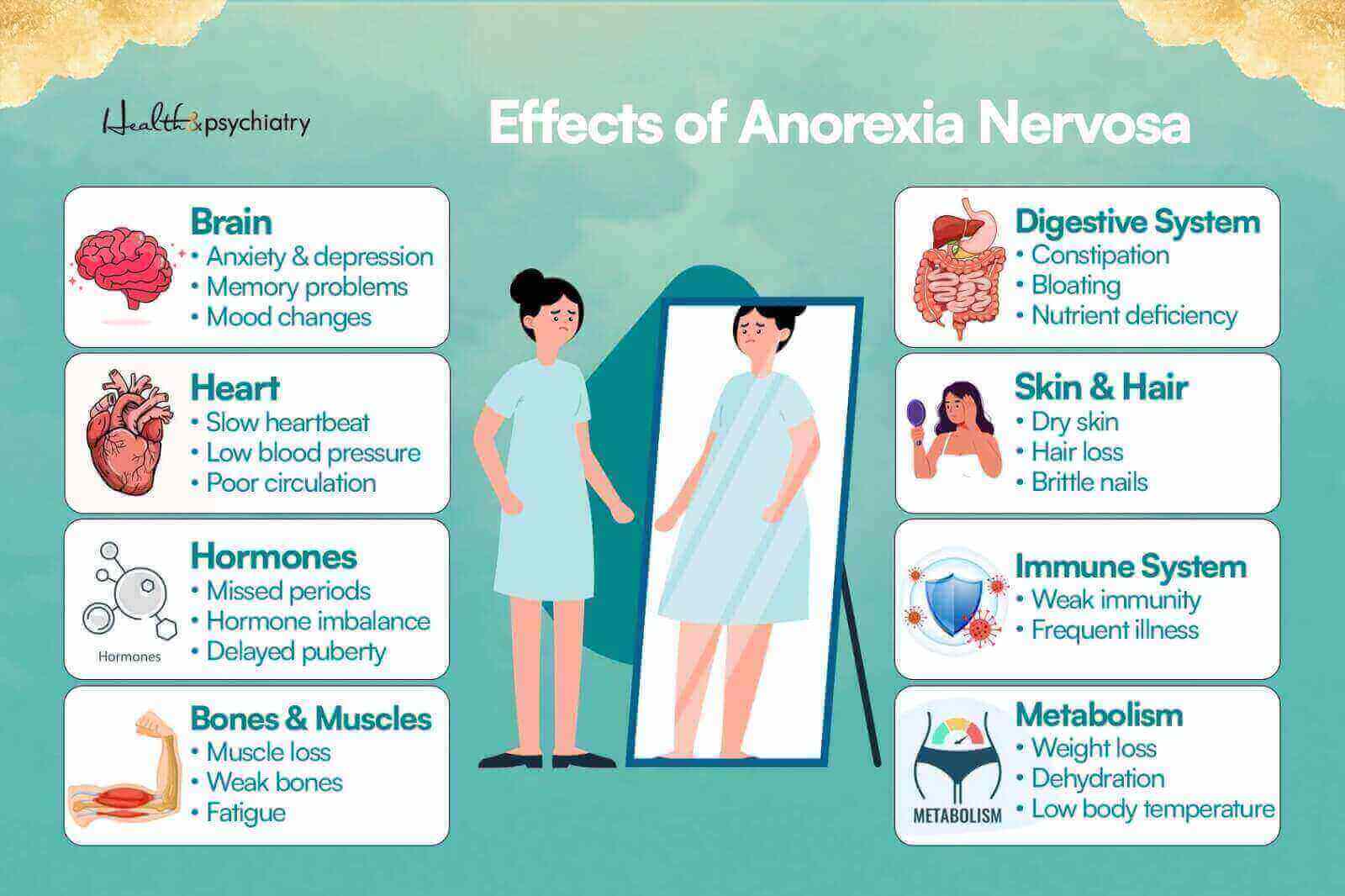
→ Short-Term Effects of Anorexia Nervosa
- Dehydration.
- Fatigue and weakness.
- Electrolyte imbalance.
- Hormonal disruption.
→ Long-Term Effects of Anorexia Nervosa
- Osteoporosis (bone loss).
- Heart complications (arrhythmias).
- Infertility.
- Organ damage.
- Increased risk of death.
Risk Factors for Anorexia

Risk factors for anorexia nervosa are typically identified through a combination of medical history, psychological evaluation, and behavioral patterns.
Certain individuals may be more vulnerable to the disease, such as:
- Adolescents and young adults.
- Individuals with perfectionist traits.
- People with family history of eating disorders.
- Those exposed to high appearance-related pressure.
Complications of Anorexia Nervosa

If left untreated, anorexia nervosa poses multiple health risks. These include:
- Cardiovascular issues (low heart rate, arrhythmias).
- Kidney failure.
- Severe malnutrition.
- Mental health deterioration.
- Increased suicide risk.
Start Your Eating Disorder Recovery with Health & Psychiatry – Leading Eating Disorder Treatment Center in Florida

At Health & Psychiatry in Florida, we get how complicated anorexia nervosa, restrictive eating disorder or binge eating can be for your well-being... That is why we put together treatment plans that fit your needs, using therapies that really work.
Along with licensed providers, doctors & nutritionists, our team consists of multiple experts who know how to support you from every angle.
Our compassionate care is easy to reach, & is confidential & affordable to everyone with insurance support.
If you or someone you care about is stuck in the struggle, reaching out for help isn’t just the first step, but the biggest one toward getting your life back.
Get your same week appointment, NOW!
FAQs
What is anorexia nervosa?
Anorexia nervosa is an eating disorder in which the person stops themselves from eating due to fear of gaining weight. They may struggle with how they see their bodies.
Is anorexia nervosa a mental illness?
Yes. Anorexia nervosa is a mental health condition with an effect on both the mind and the body.
What is the difference between anorexia and bulimia?
People with anorexia usually restrict food and try not to eat much. With bulimia, people binge on large amounts of food, then try to get rid of it afterward by vomiting or using laxatives.