
Bipolar II Disorder is marked by recurring depressive episodes. Also, the periods of hypomania can disrupt emotions, relationships, work, and daily life. Unlike Bipolar I disorder, Bipolar II does not involve severe manic episodes. But the depressive phases are often longer-lasting and deeply challenging.
The major difference between bipolar 1 and 2 is that the latter does not have full-on manic episodes. Rather, it focuses on depressive episodes more. 4.4 per cent of people in the US have had bipolar disorder at sometime in life... So, it is important to know what the difference is between bipolar I and II.
Bipolar II Disorder: What is it?

Bipolar II disorder is a mental disorder that involves recurrent mood swings from depression and minor, less intense elevations of mood (hypomanic features). It is characterized by hopelessness, more frequent depression & hypomania for at least 4 days.
It can be wrongly labelled as depression but it calls for special treatment.
Bipolar II Disorder: What are the Symptoms?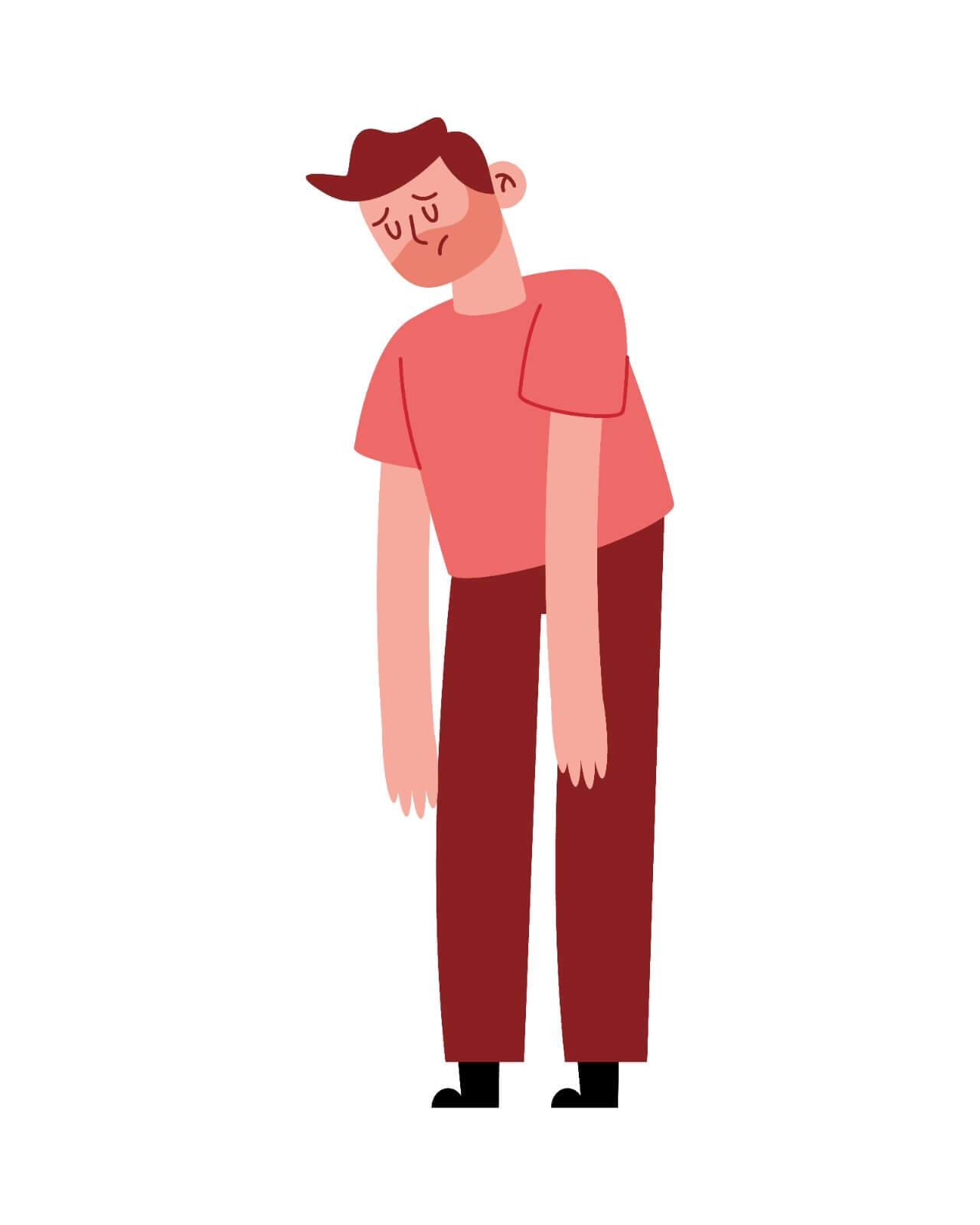
Similar to Bipolar I symptoms, the bipolar II disorder symptoms can be grouped into two categories: Major depressive and Hypomanic.
→ Major Depressive Episode Symptoms
- Regular frequent feelings of emptiness/sadness
- Lack of energy and tiredness
- Lack of interest in activities or hobbies previously enjoyed
- Difficulty concentrating
- Sleep disturbances
- Feels guilty or hopeless
- Increased appetite or decreased appetite or weight loss/or gain not explained by other causes.
- Thoughts of suicide or self-destruction/harm.
→ Hypomanic Episode Symptoms 
- A rise in confidence and/or optimism
- Less sleep is required
- Racing thoughts
- Speaking at an elevated rate of speech
- Overspending or taking risks with investments
- More irritability and restlessness
What Causes Bipolar II Disorder?
There is no known bipolar II disorder causes. But experts say that BP-II is a combination of biology, psychology and environment.
1. Genetics
One of the highest risk factors is family history. People with a parent or sibling who has bipolar disorder are much more likely to get the illness.
Several research studies have shown a high familial link with bipolar disorders. People don't have to genetically have bipolar disorder to get it.
2. Brain Chemistry
Researchers have discovered that the activity of chemicals in the body and brain differs between people with bipolar disorders. Mood instability may also be associated with a problem with the neurotransmission of dopamine, serotonin, and norepinephrine.
3. Stress and Trauma
For individuals who are predisposed to mental health issues, traumatic events, chronic stress, emotional abuse, loss or significant life changes can precipitate symptoms.
An episode of the mood can be initiated by stressful work situations, upsets in relationships or financial difficulties.
4. Sleep Disruption
Sleep is important to the regulation of mood. An irregular sleep pattern, inability to sleep or extended periods of insomnia may lead to hypomanic or depressive episodes.
A consistent sleep pattern is an important element in managing bipolar disorder type two, and is something that mental health professionals typically recommend.
Early Warning Signs of Bipolar II Disorder
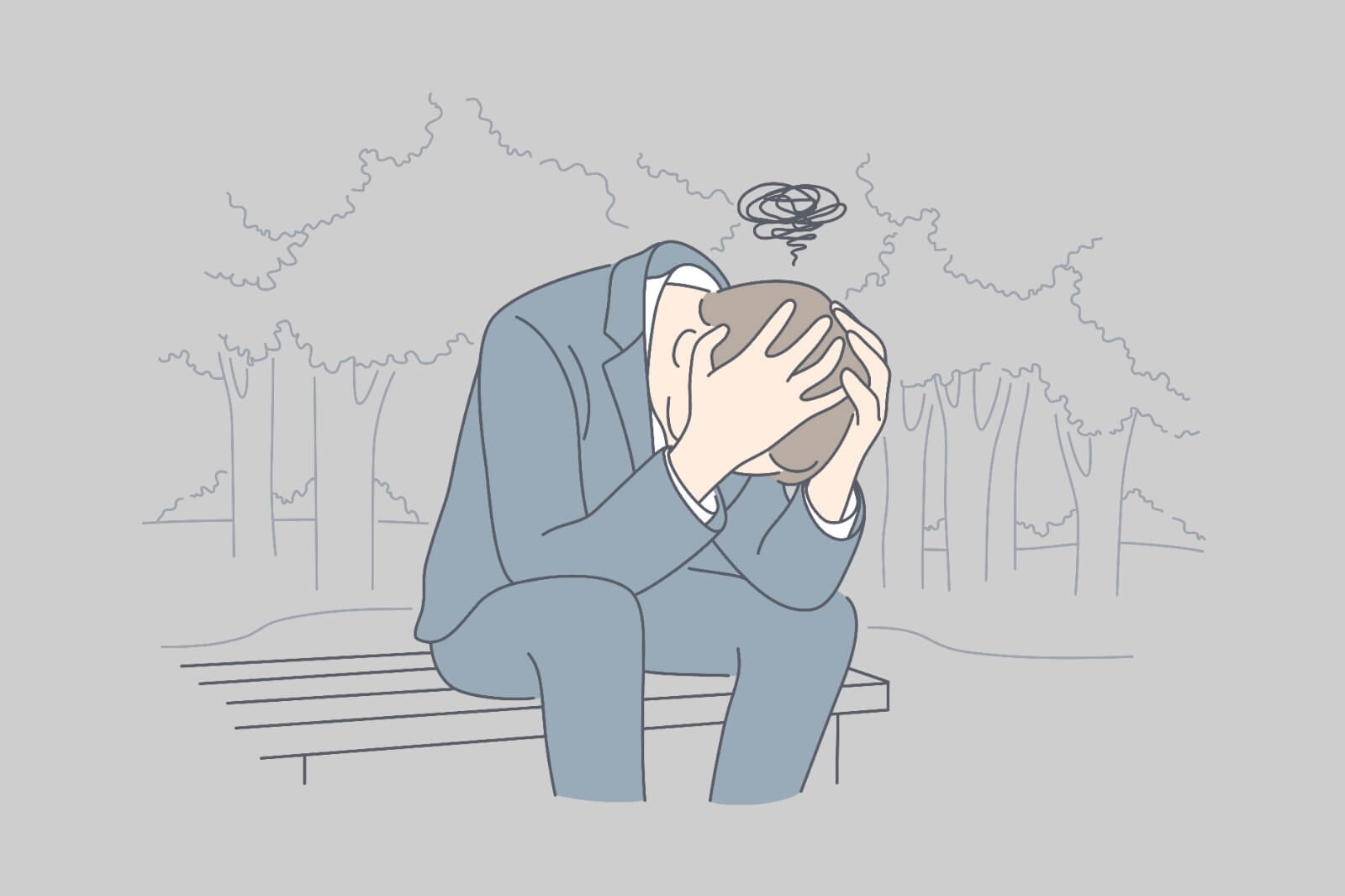
Early diagnosis can increase the effectiveness of treatment and lessen the effects of subsequent mood episodes.
The following are some of the more common:
- Quick ups and downs in energy levels.
- Ups and downs in terms of productivity and emotional blackouts.
- Frequent mood swings.
- Impulsive behavior.
- Reduced sleep without levels of tiredness.
- Periods of intense motivation followed by emotional burnout.
- More irritability or sensitivity to emotions
The symptoms of type II bipolar disorder become evident slowly, and many people do not seek medical attention until the symptoms of the depression reach a more serious level.
Diagnosing Bipolar II Disorder

The diagnostic criteria for bipolar II disorder can be confusing. The condition cannot be confirmed with blood tests or a brain scan.
Clinical examination, symptom history, mood patterns, and criteria for diagnosis under the diagnostic criteria as described in the DSM-5 are all foundations for mental health professionals.
A psychiatrist or psychologist may inquire about these bipolar II disorder symptoms for diagnosis:
- Past depressive episodes.
- Disturbed sleep, fatigue of energy.
- Mental health history in the family.
- Changes in mood behaviors.
For many people, the depression treatment lasts for years, and they are only diagnosed hypomanic when hypomanic symptoms emerge.
Bipolar II Disorder Treatments
Bipolar II disorder may be treated, and many people do manage their symptoms and lead a successful life using a combination of medication, therapy, and lifestyle changes.
→ Medications
Bipolar II disorder medications are used to help stabilize mood and are frequently used to manage emotional ups and downs. Atypical antipsychotics and medically supervised antidepressants also may be helpful for some.
Medication plans may differ depending on the severity of symptoms, frequency of episodes and medical history.
→ Therapy
Psychotherapy is seen as a component of treatment. Personal cognitive behavioural therapy (CBT), interpersonal therapy & psychoeducation will be helpful to individuals to identify triggers, learn coping strategies and identify emotional patterns.
Bipolar II disorder therapies also help the patients gain consistency in their routine and relationships, and in decision-making.
→ Lifestyle Changes
Some lifestyle modifications can be helpful to manage Bipolar II Disorder. Several daily behaviors can have a major impact on stabilizing mood. Successful lifestyle management tips can include the following:
- Keeping a regular sleep pattern.
- Minimizing alcohol and drug use.
- Exercising regularly.
- Managing stress levels.
- Tracking mood changes.
- Creating schedules for daily activities.
→ Support
Having family and friends, therapists, and support groups can make a difference in long-term results. Having a trusted support system that steps in early to help those with bipolar II is beneficial to many.
Risk Factors for Bipolar II Disorder

There are multiple factors that can raise the risk for the development of bipolar II disorder:
- History of bipolar illness or depression in the family.
- Childhood trauma/chronic stress.
- Substance misuse.
- Sleep disorders.
- Anxiety disorders.
- Stages of significant life changes or emotional upsets.
The mean age of onset for bipolar disorders is approximately 25 years, but they may present at any age in the individual.
Dealing and Living with Bipolar II Disorder?
They can live with bipolar II disorder and even lead stable and successful lives; it does take a lifetime of management.
It's better to be consistent than perfect. If treated regularly with healthy routines, emotional awareness and continued support, episodes can ease in intensity and frequency.
The most difficult thing is to identify hypomania before it turns into dangerous behavior or instability of the emotions. Recovering the use of personal triggers and treatment plans is an essential piece to long-term recovery.
Increasing awareness in the workplace and health systems of the needs of mental health is enabling more people to receive help without stigma.
Get Professional Help with Health & Psychiatry!
 A Bipolar II disorder isn't just a few times a week. It is a recognised mental health disorder that needs to be diagnosed and treated with evidence-based medicine and should be cared for with empathy.
When episodes of depression and hyperactivity are repetitive, professional bipolar II disorder specialists at Health & Psychiatry can help with compassionate care.
At Health & Psychiatry, patients receive compassionate, evidence-based mental health care under the expert guidance of Dr. Sajan Dinar. MD and other licensed providers. Our clinic's mental health care facilities in Florida offer comprehensive psychiatric evaluations, accurate diagnoses, personalized medication management, psychotherapy support, and convenient telepsychiatry services tailored to each individual’s needs.
Whether you or your loved ones are experiencing symptoms of prolonged depression, insomnia, phobias, or eating disorders, irritability, or emotional instability… early intervention and professional treatment can help you regain balance and confidence in daily life.
Take the first step toward recovery with trusted Bipolar II disorder specialists at Health & Psychiatry and receive the expert care and support you deserve.
Get a same-week appointment now…
FAQs
Is Bipolar II disorder genetic?
There is a strong genetic component to bipolar II disorder. Close family members are more likely to develop bipolar disorder if one member of the family does. But, genes are not the only factor that determines a person developing bipolar II disorder.
Is Bipolar II more severe than Depression?
Hypomanic episodes and periods of depression can resemble periods of major depression and are also associated with bipolar II disorder. Left untreated, bipolar II can make it more difficult to treat than depression.
For bipolar II, is there any difference between men and women?
Women can have faster cycles and depression and men can have more impulsive behaviour or drugs to change their mood.
Is there any benefit to therapy in the treatment of Bipolar II Disorder?
Yes. Treatment is considered very important in bipolar II disorder and therapy is utilized. It is used to assist the person to understand their mood patterns, learn to cope, reduce stress and maintain healthier routines as appropriate, along with medication.