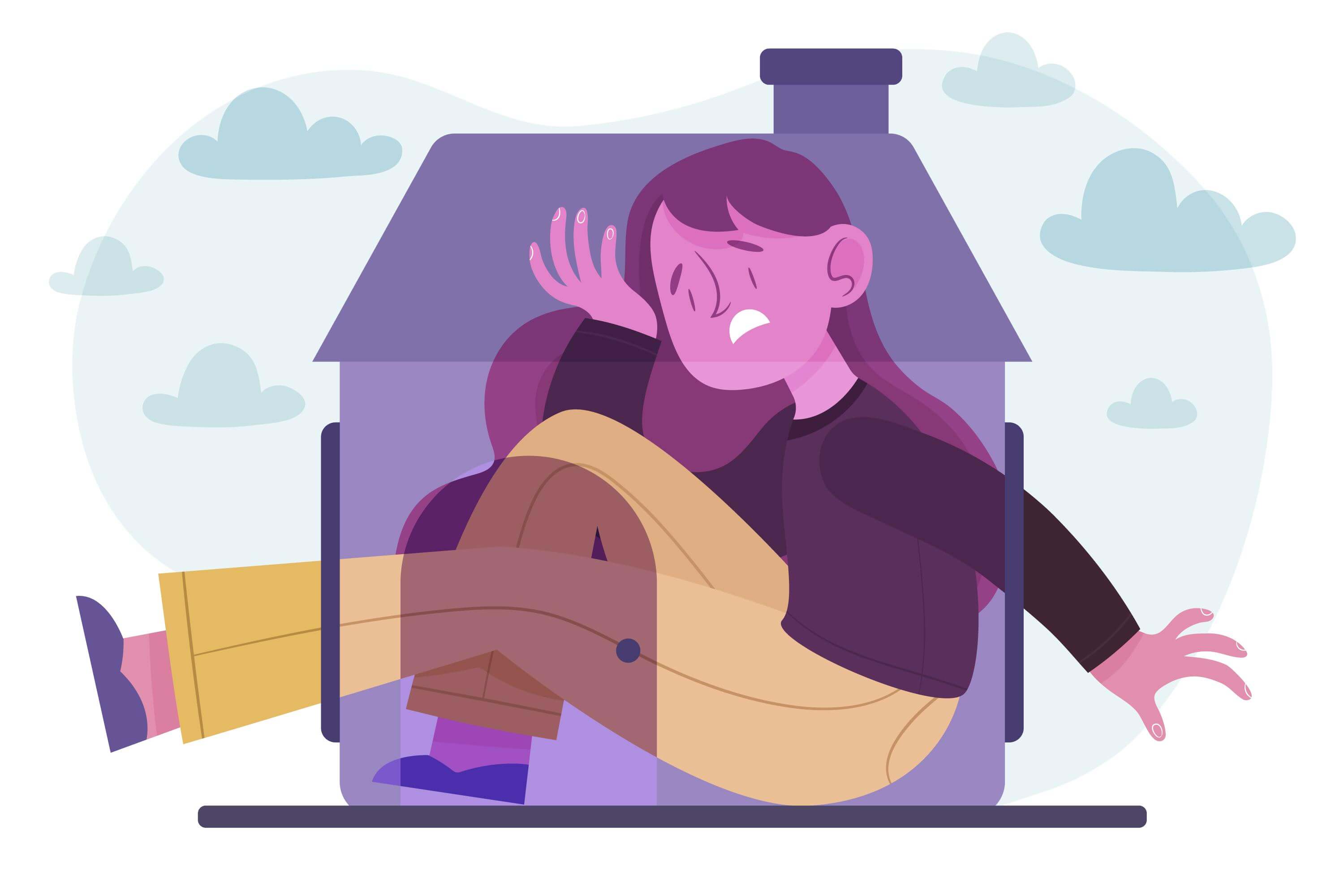
More than a phobia or fear of open spaces, agoraphobia is a mental disorder categorized as a complex anxiety disorder that can make your everyday activities feel fearful, undoable, or, in some severe cases, impossible.
It stems from some people; it is a condition that, when stepping into a crowded mall or boarding a bus or standing in line, or leaving home alone, can trigger intense fear and panic.
As the World Health Organization (WHO) mentions that among the most common mental health conditions worldwide, anxiety disorder is listed… and agoraphobia as one of its types, affects millions of adults.
1 to 2% of adults are reported to experience this fear of open spaces at some point in life. Women are diagnosed more often than men.
Your phobias and fears are treatable!!! Only with proper therapy under the care of agoraphobia specialists…
Health & Psychiatry facilities serve as trusted agoraphobia treatment centers in Florida. With our proper treatment & coping strategies, many people regain confidence and improve their quality of life.
What Is Agoraphobia?
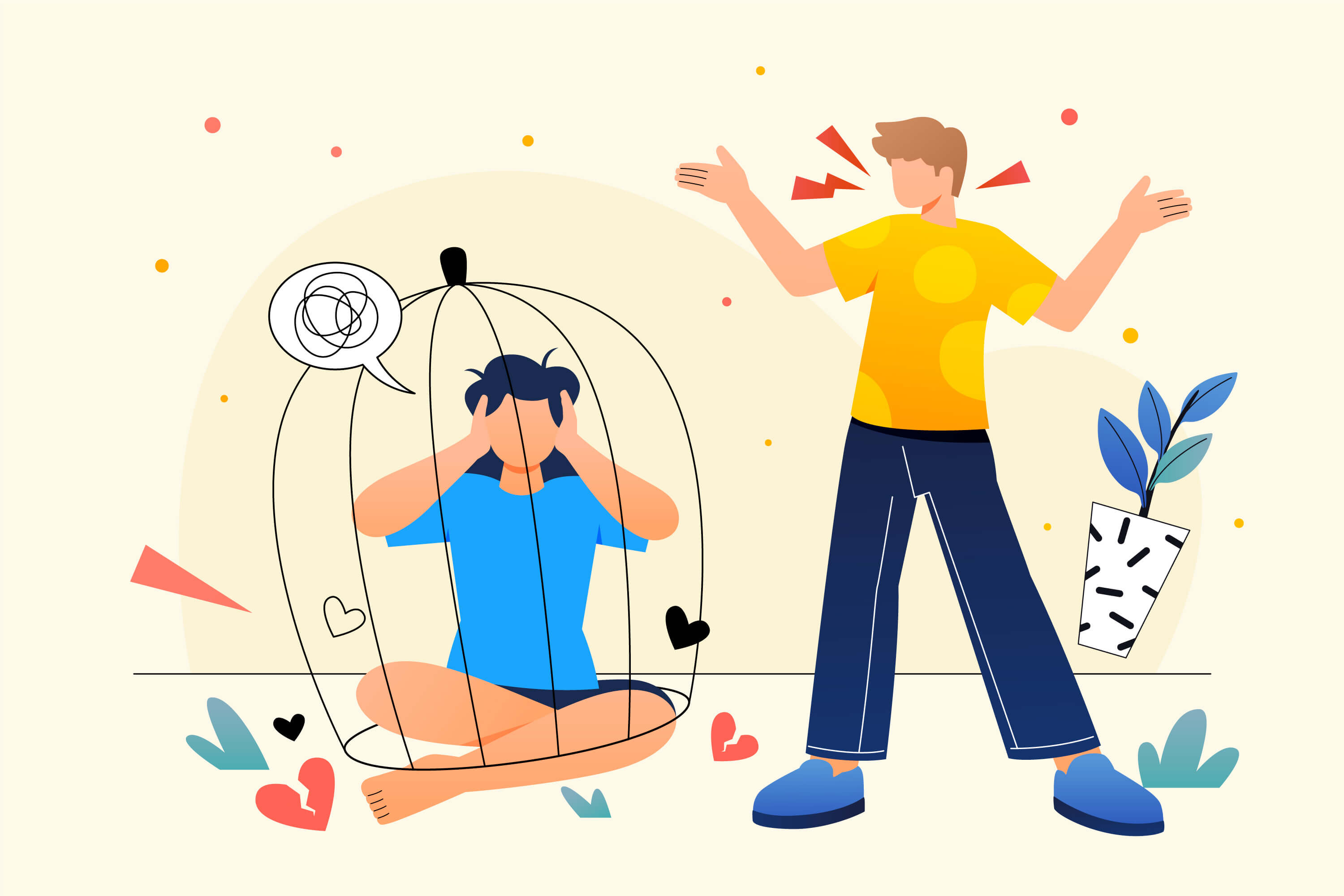
Agoraphobia is an anxiety disorder. You can commonly hear of people with a condition where they feel intense fear of situations where escape may feel difficult. They are embarrassed because they may have some panic attack symptoms in public, and they can hide themselves. This fear makes them avoid the exposed spaces to the extent that they are unavailable, fearing that panic symptoms may occur.
As it is evident according to the Mayo Clinic. That agoraphobia symptoms often develop after panic attacks. They became embarrassed. So, it may gradually lead people to avoid more places and situations over time. In severe cases, individuals may become housebound for years.
Although commonly linked with the “fear of open spaces,” agoraphobia actually includes fear of many environments, such as:
- Crowded public places.
- Public transportation.
- Shopping centers.
- Elevators or enclosed spaces.
- Bridges or parking lots.
- Leaving home alone.
- Standing in lines.
A person with agoraphobia may tend to avoid situations outside their comfort zone entirely. Or they may only tolerate them with extreme distress. Or they always try to use the help of a trusted companion.
This fear of open spaces is usually connected to the possibility of:
- Having a panic attack.
- Losing control.
- Fainting.
- Feeling trapped.
- Not being able to get help quickly.
As open spaces are unavoidable in normal life. So, over time, these avoidance behaviors can become more severe and limit independence.
Common Patterns & Types of Agoraphobia Based on Fear and Symptoms
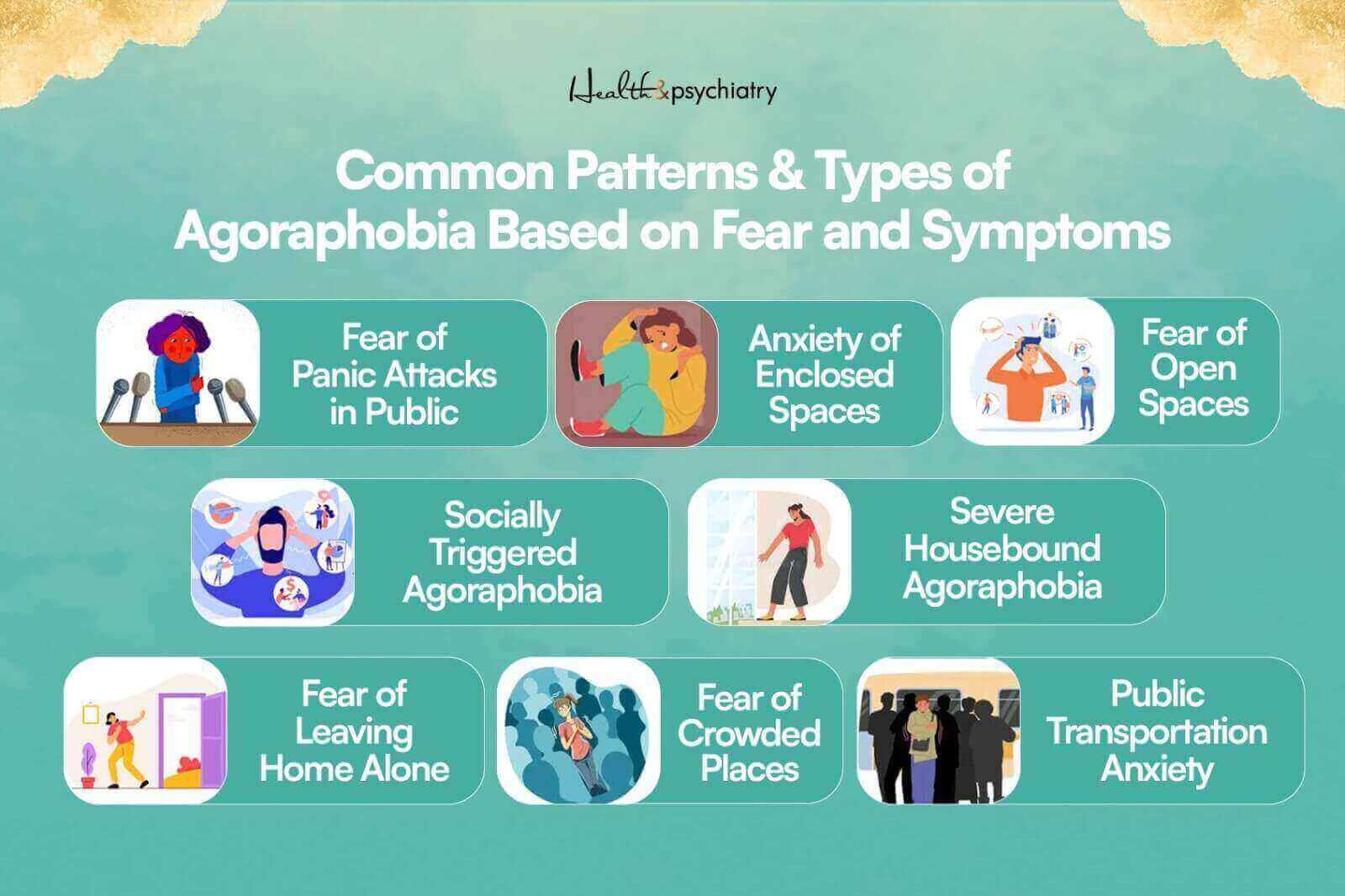
Agoraphobia is officially diagnosed and recognized as an anxiety disorder. But mental health professionals often describe different fear patterns. These are based on triggers of agoraphobia. As in what situations trigger anxiety most strongly….
These are not official DSM-5 subtypes… but they help explain how different types of agoraphobia symptoms can appear differently in different people.
1. Fear of Open Spaces
This is the most commonly known form of agoraphobia.
→People feel anxious in:
- Large open areas
- Parks
- Parking lots
- Wide streets
- Bridges
→ The person may fear:
- Feeling exposed
- Being unable to escape quickly
- Having a panic attack in public
2. Fear of Crowded Places
Some people mainly get anxious about busy environments… where movement feels restricted, if they feel panicked there.
→ Common triggers include:
- Shopping malls
- Concerts
- Markets
- Stadiums
- Long lines
→Symptoms may include:
- Panic
- Sweating
- Fast heartbeat
- Feeling trapped
The fear often comes from the thought: “What if I cannot get out quickly?”
3. Anxiety of Enclosed Spaces
This pattern overlaps with claustrophobic feelings.
→ Triggers may include:
- Elevators
- Tunnels
- Small rooms
- Trains
- Airplanes
→ People may fear:
- Suffocation
- Losing control
- Being unable to leave
4. Fear of Leaving Home Alone
Many people with a fear of open spaces feel safest only at home.
→ They may:
- Avoid going out alone
- Depend on family members
- Need a “safe person” nearby
Even short trips can trigger severe anxiety.
In severe cases, the person may become housebound.
5. Public Transportation Anxiety
Travel-related agoraphobia is very common.
→ Triggers include:
- Buses
- Trains
- Taxis
- Subways
- Air travel
→ People may fear:
- Being stuck
- Not being able to escape
- Panic attacks during travel
6. Fear of Panic Attacks in Public
For many people, the real fear is not the place itself — it is the possibility of panic symptoms happening publicly.
→ They may fear:
- Fainting
- Vomiting
- Losing control
- Embarrassment
- Not getting help
→ This often leads to avoiding:
- Restaurants
- Meetings
- Social gatherings
- Public spaces
7. Socially Triggered Agoraphobia
Some people experience a combination of agoraphobia and social anxiety.
→ Their fear centers around:
- Being judged
- Looking anxious in front of others
- Drawing attention during panic symptoms
This can lead to isolation and avoidance of social interaction.
8. Severe Housebound Agoraphobia
This is an extreme form where the person rarely or never leaves home.
→ Symptoms may include:
- Constant anxiety outside the home
- Panic attacks at the thought of leaving
- Complete dependence on others
Daily functioning becomes seriously affected.
Why Does Agoraphobia Develop?
Agoraphobia treatment can be done if specilaist found the root cause of why does agorpahobia has developed in an individual. Well, it often develops gradually.
Many people experience their first symptoms after:
- A stressful life event.
- Repeated panic attacks.
- Chronic anxiety.
- Trauma or abuse.
- Major emotional stress.
Going through a frightening experience, the brain associates certain places with danger. This triggers a phobia.. Then the person starts avoiding those situations… It is to avoid embarrassment, or we can say distress.
As this avoidance reduces anxiety, but temporarily. Worse comes over time. As this feeling reinforces fear. It becomes stronger and expands the number of avoided situations.
For example: First avoiding crowded malls → Then avoiding all stores → Eventually avoiding leaving home altogether…
This cycle explains that if agoraphobia treatment is not done on time, a person can become disabled due to this fear..
What Causes Agoraphobia?
No single cause! Experts suggest it develops from a combination of causes.
→ Biological Causes
Biological influences may include:
- Genetics and family history.
- Brain chemistry imbalance.
- Overactive fear response.
- History of panic disorder.
- Increased sensitivity to stress hormones.
People with close relatives who have anxiety disorders may have a higher risk. 2X!!!
→ Psychological Causes
Psychological factors can include:
- Chronic anxiety.
- Catastrophic thinking.
- Fear of losing control.
- Trauma-related stress.
- Low confidence in handling panic symptoms.
Individuals may begin constantly monitoring their body for signs of danger.
→ Environmental Causes
Environmental triggers often cause agoraphobia; they include:
- Childhood trauma.
- Abuse or neglect.
- Loss of a loved one.
- Stressful relationships.
- Major life changes.
- Bullying or social humiliation.
Repeated exposure to stressful situations may increase vulnerability.
Early Signs of Agoraphobia
 Early treatment is always beneficial for managing mental health issues. It improves outcomes of therapy and treatments… early signs recognized by an agoraphobia therapist include:
- Feeling nervous before leaving home.
- Avoiding crowded places.
- Needing someone else to accompany you.
- Fear of traveling alone.
- Excessive worry about panic attacks.
- Frequently canceling plans.
- Choosing routes with easy exits.
- Feeling safest only at home.
In the early stages, these symptoms of agoraphobia may appear manageable. But they often become more restrictive over time. They can badly effect social life of a person and thus create other problems in the life ahead.
What Are the Symptoms of Agoraphobia?
Agoraphobia symptoms can affect emotions, behavior, and physical health.
1. Emotional Symptoms 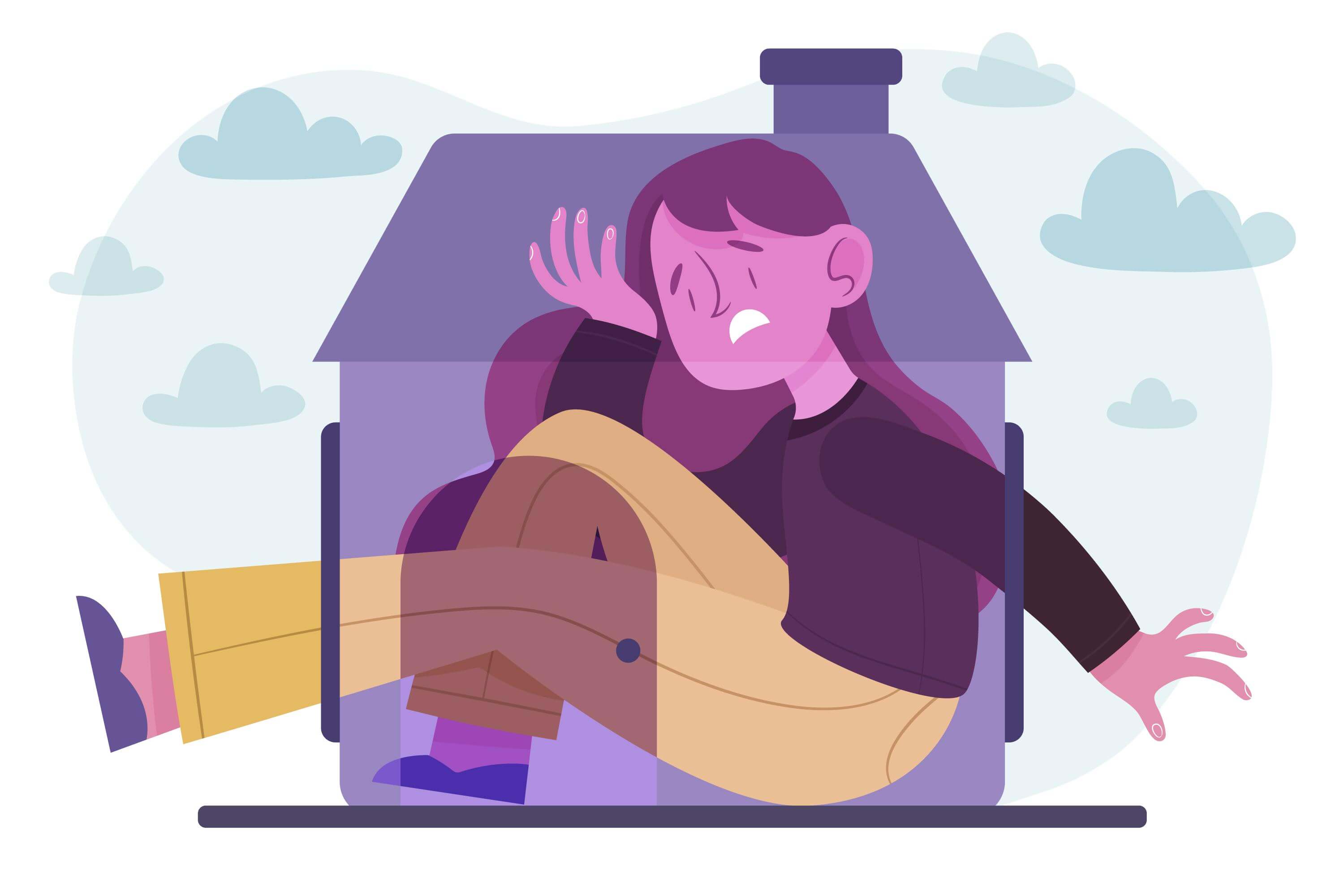
People may experience:
- Intense fear
- Panic
- Anxiety
- Fear of embarrassment
- Fear of losing control
- Feeling detached from reality
- Constant worry about future panic attacks
2. Behavioral Symptoms 
Behavioral symptoms often include:
- Avoiding public places
- Staying home excessively
- Dependence on others
- Refusing travel
- Leaving situations abruptly
- Avoiding unfamiliar environments
In severe cases, people may become unable to work, attend school, or socialize.
3. Physical Symptoms 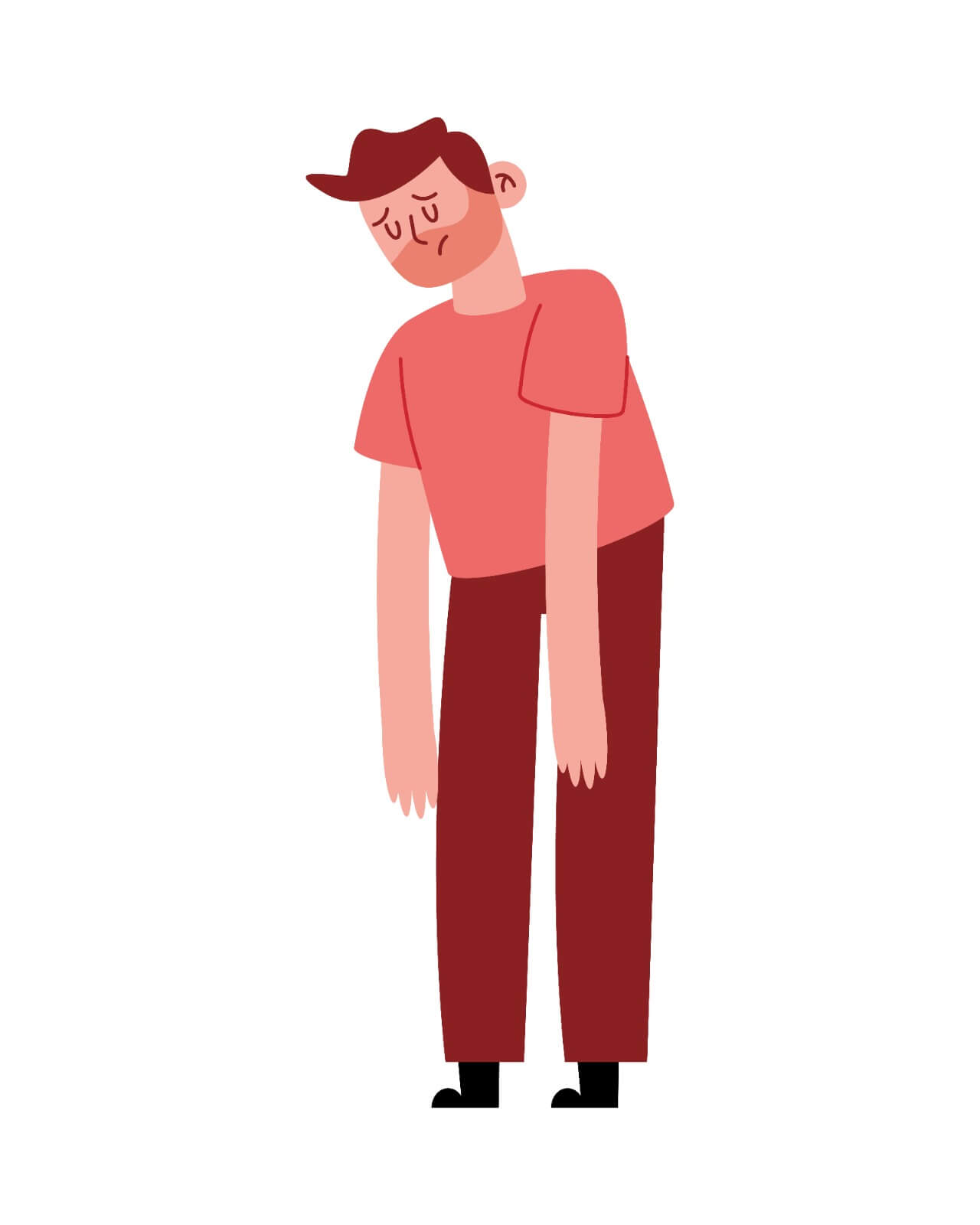
Physical symptoms may resemble a panic attack:
- Rapid heartbeat
- Chest pain
- Sweating
- Trembling
- Dizziness
- Shortness of breath
- Nausea
- Chills or flushing
- Hyperventilation
These symptoms can feel extremely frightening and may reinforce avoidance behaviors.
How Is Agoraphobia Diagnosed?
Diagnosis usually involves a detailed evaluation conducted by a dedicated therapist at a mental healthcare clinic or agoraphobia treatment center…
A healthcare provider or a psychiatrist may ask these things from a person during evaluation:
- What situations trigger fear?
- How often do symptoms occur?
- Whether panic attacks are present or not?
- How do agoraphobia symptoms affect daily life?
- Which situations are mostly avoided?
According to DSM-5 diagnostic criteria, fear must typically involve at least two situations, such as:
- Public transportation.
- Open spaces.
- Enclosed spaces.
- Crowds or lines.
- Leaving home alone.
Symptoms usually persist for at least six months and significantly start to disrupt daily functioning.
What are Treatment Options for Agoraphobia?
Agoraphobia treatments are often highly effective/ Especially when started early.
1. Cognitive Behavioral Therapy (CBT)
Cognitive Behavioral Therapy is considered the most effective among all agoraphobia therapies.
→ CBT helps people:
- Identify fearful thoughts.
- Challenge irrational beliefs.
- Reduce avoidance behaviors.
- Build coping skills.
2. Exposure Therapy
Exposure therapy gradually introduces feared situations in a safe. This is done in a controlled manner to remove fear feelings, making a person feel comfortable with triggering situations.
→ For example:
- Standing outside the home briefly.
- Walking short distances.
- Visiting small stores.
- Taking short rides.
Repeated exposure helps retrain the brain’s fear response.
3. Agoraphobia Medication
A specialist may prescribe antianxiety medications, SSRIs, and SNRIs to help with panic symptoms and make a person feel comfortable, as needed.
→ Medication is often most effective when combined with therapy.
4. Online Therapy for Agoraphobia
As already feared of open spaces and social exposure, many people with severe agoraphobia symptoms struggle to attend in-person appointments. So, telepsychiatry is a great option for them.
→ Online therapy or telepsychiatry for agoraphobia offers:
- Virtual CBT sessions.
- Video counseling.
- Guided exposure support.
- Easier access to agoraphobia specialists.
Coping Strategies for Agoraphobia
Professional treatment is important. But specialists suggest self-management strategies also help.
Helpful coping strategies for agoraphobia include:
→ Breathe in, breathe out in problematic situations.. Deep breathing exercises are helpful,
→ Self-exposure to feared situations, gradually.
→ Having a maintained and consistent sleep schedule.
→ Reducing caffeine and alcohol.
→ Exercising regularly.
→ Journaling anxiety triggers.
→ Use & apply mindfulness techniques.
→ Never isolate! Stay connected with supportive people. Friends & family!
→ Following treatment plans consistently, so it may not develop into severe.
Avoidance is a problem! It may provide short-term relief… but long-term recovery usually involves slowly facing fears.
How Does Agoraphobia Affect Daily Life?

Agoraphobia can significantly disrupt normal functioning.
It may affect your work performance. Your education, relationships & travel goals can never be healthily fulfilled with this phobia. Shopping, necessary medical appointments, and your social activities all become a problem and uncomfortable for you and your related persons.
Many individuals experience isolation and loneliness because their world gradually becomes smaller.
Severe agoraphobia may lead to:
- Dependence on family members.
- Financial difficulties.
- Depression.
- Substance misuse.
- Reduced quality of life.
The condition can become emotionally exhausting. More.. when people feel misunderstood by others.
Risk Factors and Complications
Several factors may increase the risk of developing agoraphobia. Including panic disorder & other anxiety disorders. A family history of mental health conditions is also a risk of having agoraphobia. Some traumatic experiences, a case of childhood abuse or neglect, can cause it, especially in a highly anxious personality.
It comes with many complications: People who frequently experience fear of open spaces and related panic attacks may gradually begin avoiding places. They do not go to the situations they associate with fear or helplessness.
You may imagine what if its left untreated? Agoraphobia can lead to serious complications such as depression, social isolation, relationship problems.
Starting with difficulty maintaining work or education, developing to the severe cases, making a person become completely housebound.
Over time, the cycle of fear and avoidance may continue to worsen and significantly affect daily life and emotional well-being.
Get Treated at Agoraphobia Treatment Center in Florida!

Agoraphobia is a serious. But it is a treatable anxiety disorder. Before it starts affecting emotional health, independence, relationships, and everyday functioning. One may seek professional help with an agoraphobia specialist….
Early intervention matters… Getting therapy, medication, support systems, and professionally guided exposure strategies at Health & Psychiatry, child/adult psychiatry facilities under the expert team of Dr. Dinar Sajan, MD. Here, we can help people regain control and rebuild confidence.
Get help & compassionate care both. Book your same-week appointment for the earliest consultation with our expert licensed providers for you.
FAQs
Is agoraphobia serious?
Yes. Agoraphobia is serious. You may suppose what happens when it becomes severe. A person with no ability to come out of the home, it is a hazardous limitation to mental and social life and can cause serious problems for a person and the family. But yes, it can be managed with proper agoraphobia treatment.
Is agoraphobia the same as social anxiety?
No. Social anxiety is about the fear of judgment. It is mainly about embarrassment in social situations. Agoraphobia differs here with a fear of situations where escape may feel difficult during panic or anxiety. It is the fear of not being able to escape the triggering social encounter.
Can agoraphobia go away on its own?
Yes, maybe in some mild cases. Agoraphobia symptoms may improve temporarily, but it often worsens without treatment. Because it involves avoidance behaviors. Which then reinforces fear patterns.
What is the difference between agoraphobia and panic disorder?
Panic disorder involves repeated panic attacks. Agoraphobia involves avoiding situations. Fear of open space can present with panic attack symptoms. Many people experience both conditions together.