
Mood changes are a normal part of your daily life…But when those ups and downs become persistent or unpredictable or disruptive, to your normal routine… it could be something more.
One such condition is cyclothymic disorder. You may know it as cyclothymia. And sometimes commonly referred to as Bipolar III disorder or a mild form of bipolar disorder. It is a chronic mood disorder. It is characterized by recurring emotional highs and lows. That, while less severe than those seen in bipolar disorder. But can still significantly affect a person’s overall well-being
What is Cyclothymic Disorder?
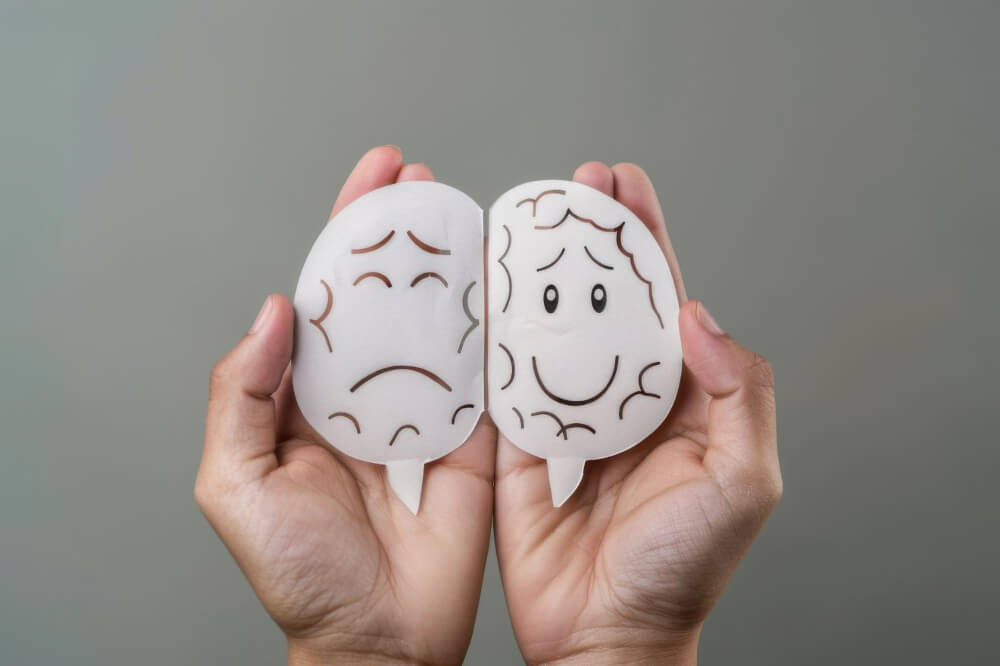
Cyclothymia involves milder but more frequent mood swings. It is unlike classic bipolar disorder. Making it a chronic & fluctuating condition. Rather than an episodic one, individuals may cycle between emotional highs and lows over weeks or months, often without clear triggers.
Cyclothymia symptoms are present for at least half the time. All with no symptom-free period lasting longer than two consecutive months. This persistent pattern of cyclothymic bipolar disorder is the reason that it is often overlooked. It is misinterpreted. Perceived as temperament, stress response, or personality traits.
It is a category of bipolar mood disorders in DSM-5. Research suggests that cyclothymia affects approximately 0.4% to 1% of the general U.S population. Though experts believe it is frequently underdiagnosed. Maybe due to its subtle and long-term nature.
In fact, studies indicate that 15% to 50% of individuals with cyclothymia may eventually develop bipolar I or bipolar II disorder. Especially if left untreated. The condition typically begins in adolescence. Or in early adulthood, and can persist for years. Often going unnoticed or being mistaken for personality traits or normal mood variability.
Because of this, many individuals do not seek help early on. Thus, allowing symptoms to interfere with relationships, work, and overall quality of life.
How Common Is Cyclothymic Disorder?
Cyclothymia is relatively uncommon. Maybe because it is likely underdiagnosed. It is reported to affect about 0.4% to 1% of the population of the United States. Though many cases go unnoticed. Because symptoms may appear less severe or mistaken for personality traits.
Symptoms of Cyclothymic Disorder

The following are the classified cyclothymic disorder symptoms:
1. Hypomanic Symptoms (Emotional Highs)
- Increased energy or activity levels.
- Elevated or irritable mood.
- Reduced need for sleep.
- Racing thoughts.
- Increased talkativeness.
- Impulsive decisions.
2. Depressive Symptoms (Emotional Lows)
- Low mood or sadness.
- Fatigue or low energy.
- Loss of interest in activities.
- Difficulty concentrating.
- Feelings of hopelessness.
3. Physical Symptoms
- Sleep disturbances (too little or too much).
- Appetite changes.
- Unexplained body fatigue.
These cyclothymia symptoms are less intense. Compared to those seen in bipolar I or II disorder. That’s why it is informally referred to as Bipolar III disorder. But these symptoms occur more frequently and persistently.
Causes of Cyclothymic Disorder
Like other mental health disorders, such as Schizoaffective disorder, ADHD, and Depression, there is no single cause of cyclothymic disorder, but several factors may contribute:
1. Genetic Factors
A family history of mood disorders increases the likelihood of developing cyclothymia.
2. Brain Chemistry
Imbalances in neurotransmitters like serotonin and dopamine can affect mood regulation.
3. Environmental Triggers
Stress, trauma, or major life changes may trigger or worsen symptoms.
4. Biological Vulnerability
Some individuals are naturally more sensitive to emotional fluctuations.
Cyclothymia vs Bipolar Disorder
|
Feature |
Cyclothymia |
Bipolar Disorder |
|
Severity |
Mild to moderate |
Moderate to severe |
|
Mood Episodes |
Frequent, less intense |
Intense manic/depressive episodes |
|
Duration |
Chronic (2+ years) |
Episodic |
|
Diagnosis |
Often overlooked |
More easily diagnosed |
Cyclothymia vs Bipolar Disorder described in detail:
→ Severity of Symptoms. Cyclothymia involves milder mood swings. But in bipolar disorder, more intense episodes of mania/hypomania occur. With major depression.
→ Type of Mood Episodes. Your cyclothymia symptoms do not meet the full criteria for hypomanic. Also differs from usual depressive episodes. In bipolar disorder, episodes are clinically defined and more severe.
→ Duration and Pattern. Cyclothymia is chronic. It is continuous. Occur with frequent mood fluctuations over at least 2 years. Bipolar disorder, being episodic, comes with distinct periods of mania and depression.
→ Intensity of Highs (Mania vs Hypomania). Cyclothymia involves hypomanic symptoms. Shows only milder highs. Whereas bipolar I includes full manic episodes. They are severe. And can impair functioning.
→ Impact on Daily Life. Cyclothymia can disrupt daily life. But subtly. Over time… While bipolar disorder often causes significant impairment during episodes.
→ Diagnosis Criteria. Cyclothymia moood disorder is diagnosed when symptoms are there for at least half the time over 2 years. All without long symptom-free periods. Bipolar disorder diagnosis is different. It is based on specific manic, hypomanic, or depressive episodes.
→ Risk of Progression. Cyclothymia may develop into bipolar I or II disorder. Particularly, if left untreated. Bipolar disorder is already a more advanced and clearly defined condition.
→ Awareness and Diagnosis. Cyclothymia is often underdiagnosed. It is mistaken for personality traits. But in the case of bipolar disorder, it is more commonly recognized. Because of the severity of its symptoms…
How Cyclothymic Disorder Affects Daily Life?

In fact, studies indicate that 15% to 50% of individuals with cyclothymic disorder symptoms may eventually develop bipolar I or bipolar II disorder if left untreated.
The condition typically begins in adolescence. Or in early adulthood, and can persist for years. It often goes unnoticed or is also mistaken for personality traits or normal mood variability.
Even though it’s considered a “mild bipolar disorder,” cyclothymia can significantly impact:
- Relationships (due to mood unpredictability, like a personality disorder.
- Work productivity.
- Decision-making.
- Emotional stability.
People may feel like they are constantly on an emotional rollercoaster, being cyclothymic.
How is Cyclothymic Disorder Diagnosed?
Diagnosing cyclothymic disorder (cyclothymia) can be challenging. It is because cyclothymic symptoms are often mild. Although long-lasting but easily mistaken for personality disorders or everyday mood fluctuations.
A comprehensive evaluation by a licensed mental health professional is essential for an accurate diagnosis.
1. Psychological Evaluation
The process typically begins with a thorough psychological assessment.
This includes:
- Discussing emotional patterns, behavior, and thought processes.
- Evaluating the presence of hypomanic and depressive symptoms.
- Assessing the mood changes. That's how it is affecting daily functioning, relationships, and work.
2. Detailed Mood History
Long-term pattern of mood instability serves as the main cyclothymic disorder symptom for diagnosis..
Clinicians will:
- Review mood fluctuations. It is for over at least 2 years in adults (1 year in children/adolescents).
- Identify recurring periods of emotional highs and lows.
- Confirm is done. That those symptoms are present for at least half the time.
- Ensure there are no symptom-free periods lasting more than 2 consecutive months.
3. Diagnostic Criteria (DSM-5 Guidelines)
Mental health professionals often follow established diagnostic guidelines to confirm cyclothymia.
These include:
- Presence of numerous periods of hypomanic symptoms and depressive symptoms.
- Symptoms that do not meet full criteria for hypomanic or major depressive episodes.
- Persistent mood instability over time.
4. Ruling Out Other Conditions (Differential Diagnosis)
Cyclothymia shares symptoms with other mental health conditions; it is important to rule out disorders such as:
- Bipolar disorder (Type I or II)
- Major depressive disorder
- Borderline personality disorder
- Anxiety disorders
This step ensures that the diagnosis is accurate and not confused with more severe or overlapping conditions.
5. Medical Evaluation
In some cases, doctors may recommend basic medical tests to rule out physical causes of mood changes.
Such as:
- Thyroid disorders.
- Neurological conditions.
- Medication effects.
6. Importance of Professional Diagnosis
Never forget that self-diagnosis is not reliable for mood disorders.
Only a qualified mental health professional… such as a psychiatrist or clinical psychologist… can provide an accurate diagnosis and recommend you appropriate treatment.
Treatment Options for Cyclothymic Disorder
1. Psychotherapy (Talk Therapy)
Psychotherapy is considered one of the most effective first-line treatments.
→ Cognitive Behavioral Therapy (CBT). CBT helps you identify negative thought patterns. Then you can try to replace them with more balanced thinking, reducing emotional reactivity.
→ Interpersonal Therapy (IPT). It focuses on improving your communication skills. Also helps to deal with relationship stability. As they are both often affected by mood swings.
→ Psychoeducation. Educates individuals about cyclothymia. About personality disorder & Bipolar disorder. It will help them recognize early warning signs and manage triggers effectively.
2. Mood-Stabilizing Medications
Cyclothymic disorder medications may be prescribed to help control mood fluctuations. Especially when symptoms significantly affect daily life.
Medications usually prescribed by professionals include: mood stabilizers, anticonvulsants & atypical antipsychotics.
Medication is always tailored individually and monitored closely by a psychiatrist.
3. Lifestyle Management
Healthy daily habits play a crucial role. If you want to manage cyclothymic symptoms and prevent mood instability, you should try maintaining a consistent sleep schedule. Go for regular physical activity to support brain chemistry.
Also, balanced nutrition supports your overall mental health. Avoiding alcohol is suggested as they can worsen your mood swings
Focus on reducing stress. You can do it through relaxation techniques.
4. Monitoring Mood Patterns
Tracking emotional changes is very helpful for both cyclothymic individuals and healthcare providers. It is to identify triggers and patterns.
- Keeping a mood diary or journal.
- Using mental health apps for tracking mood fluctuations.
- Identifying lifestyle or environmental triggers.
This approach improves self-awareness. It also supports early intervention during mood shifts.
5. Stress Management Techniques
Since stress can trigger mood episodes… managing it is essential! Try:
- Mindfulness meditation.
- Breathing exercises.
- Yoga or relaxation therapies.
- Structured daily routines.
→ There is no single cure for cyclothymia… but with the right combination of therapy, medication, and lifestyle adjustments, individuals can achieve stable moods and significantly improve quality of life.
Risk Factors of Cyclothymic Mood Disorder

Cyclothymic disorder may develop due to a combination of genetic, biological, and environmental factors.
A family history of mood disorders, such as bipolar disorder or depression, increases genetic vulnerability.
Your brain chemistry imbalances play a role. It involving neurotransmitters like serotonin and dopamine, which can affect mood regulation.
Early life trauma, chronic psychological stress, and certain personality traits such as high emotional sensitivity may further increase risk.
Additionally, sleep disturbances, and co-existing mental health conditions like anxiety or ADHD can contribute to or worsen mood instability over time.
Living with Cyclothymia?
Living with cyclothymic disorder is manageable! But with the right support.
Like many individuals, you can lead a stable, fulfilling life by:
- Sticking to treatment plans.
- Maintaining routines.
- Seeking support from professionals and loved ones.
Get Cyclothymic Disorder Treatment in Florida at Health & Psychiatry!

If you or your loved one is struggling with mood swings? or emotional highs and lows? or symptoms of cyclothymic disorder… Professional support is available!
Remember! Early diagnosis is helpful. It leads to proper treatment & can make a significant difference in long-term mental well-being.
The Health & Psychiatry professional team provides comprehensive mental health care. Through secure in-house consultation in our reputable clinics & telepsychiatry services.
Whether you need therapy, medication management, or ongoing psychiatric support, our team is here to help you regain emotional stability and improve your quality of life… from the comfort of your home.
Book a consultation today. Take the first step toward better mental health.
FAQs
What is the difference between cyclothymia and bipolar disorder?
Cyclothymia involves milder but more chronic mood swings. Bipolar disorder includes more severe and episodic mood changes.
How long does cyclothymia last?
Cyclothymia is a long-term condition. It typically lasts at least 2 years in adults (1 year in children and adolescents).
What triggers cyclothymic disorder?
Common triggers include stress, sleep disturbances, life changes, and underlying biological or genetic factors.